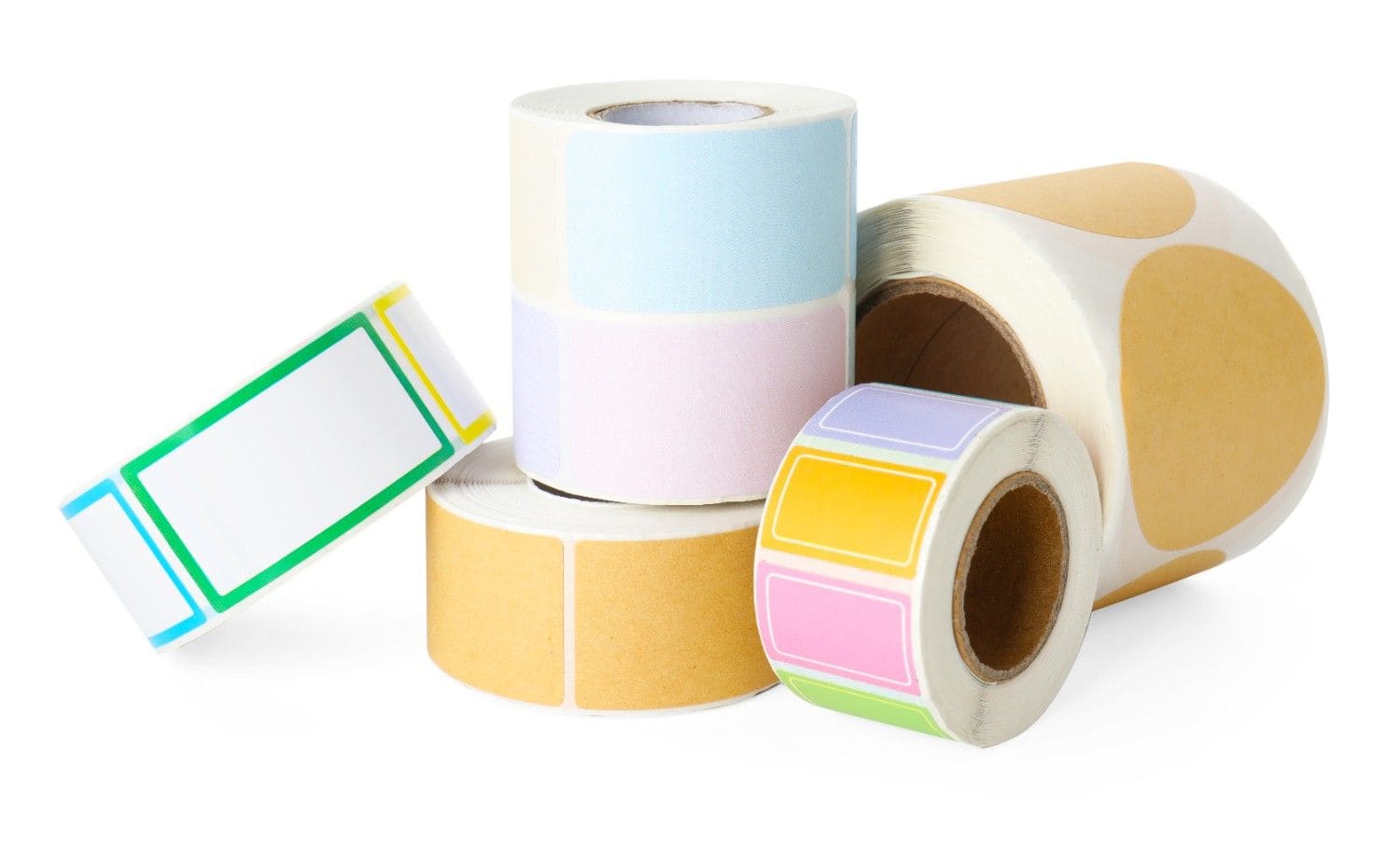
Industrial operations depend on accurate identification systems to maintain a precise inventory of materials and assets, and to keep day-to-day workflows moving steadily and on time. In places like manufacturing, warehousing, healthcare, and logistics, labels get exposed to heat, moisture, chemicals, abrasion, and a lot of constant handling, so regular labels tend to fade or turn unreadable as time goes on.
When labels get damaged, it can trigger inventory mismatches, workflow delays, tracking gaps, compliance trouble, and more manual effort. And as companies keep moving toward barcode, RFID, and other automated tracking methods, durable labeling stops being “nice to have” and becomes basically required for keeping accuracy, plus operational visibility.
Because of this upward demand, thermal transfer labels are being adopted more and more, since they’re made for long-term legibility and consistent scanning performance even in tough environments.
At Lowry Solutions, labeling fits into a wider tracking and data capture approach. It helps with inventory visibility, workflow automation, compliance, and long-term operational efficiency, without feeling disconnected from the rest of the system.
What Are Thermal Transfer Labels?
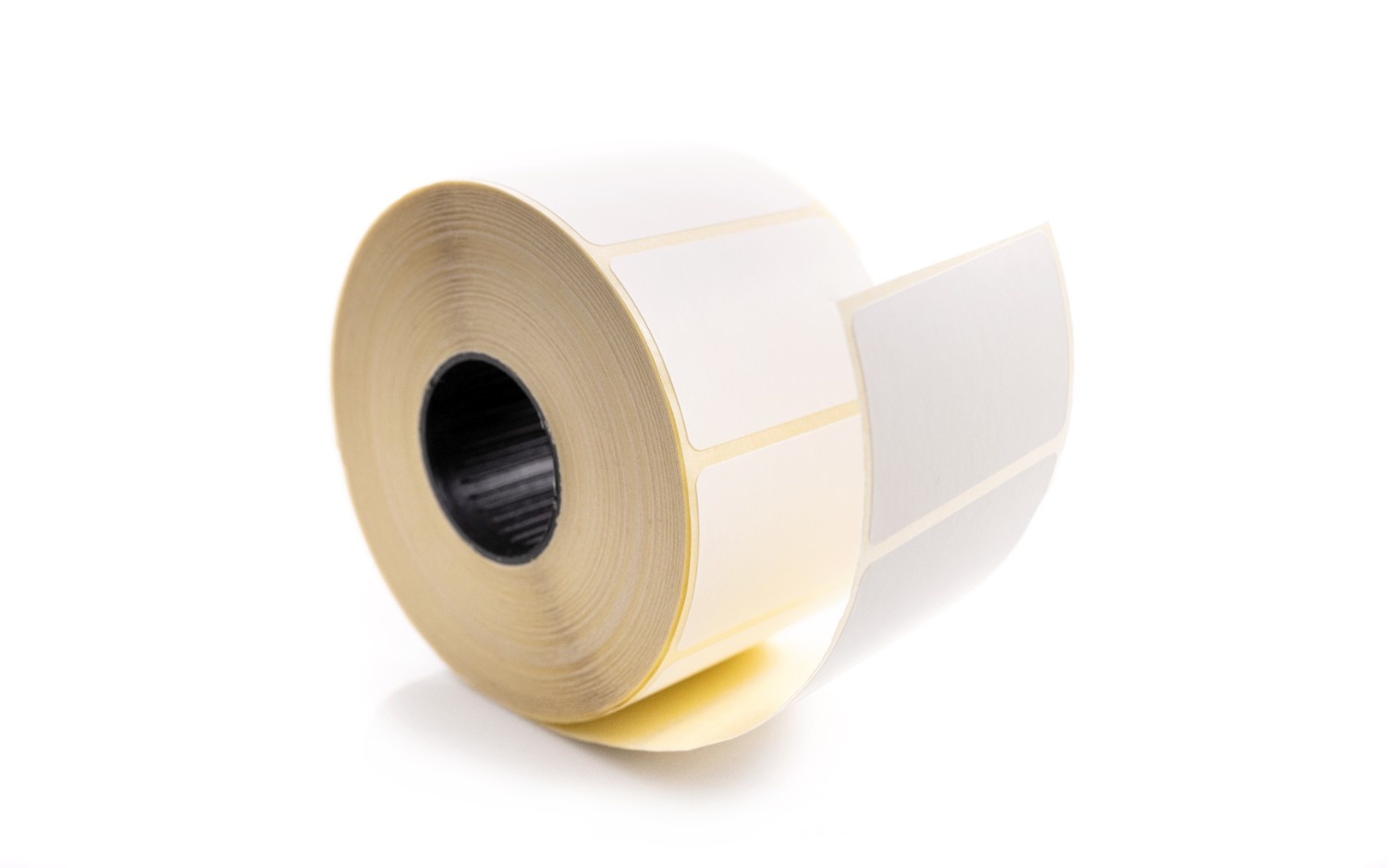
Thermal transfer labels are made with a printing method where heat helps move ink from a ribbon onto the label surface. In contrast to normal printing styles that can start to fade or wear fast, thermal transfer printing makes labels that are designed for long-term durability, especially in industrial conditions.
The actual procedure is simple once you see it. A thermal transfer printer applies heat to the ribbon, then the ink transfers onto the label material. What you end up with is a clean print, and it tends to hold up well, even when it’s exposed to harsh industrial conditions for a long time.
In a thermal transfer labeling setup, several pieces work together, but they have to cooperate:
- Label material
- Thermal transfer ribbon
- Thermal transfer printer
Which label material gets used depends on where it will live. Paper labels often fit short-term indoor work, while synthetic label stocks, like polyester and polypropylene, are frequently picked.
The ribbon matters for real results. Wax ribbons are usually for basic jobs, but resin and wax-resin ribbons tend to offer stronger protection against chemicals, moisture, rubbing, and even temperature shifts.
Because these labels are tough, they’re commonly used for:
- Barcode setups
- RFID tagging
- Asset tracking
- Inventory management
- Shipping operations
- Compliance labeling
Lowry Solutions incorporates thermal transfer labeling into wider tracking and visibility systems, so organizations can maintain steady data capture across their day-to-day operations.
Why Thermal Transfer Labels Are Preferred in Industrial Use
Industrial operations put high pressure on labeling systems. Labels are exposed to everyday wear and changes in surroundings. They move through warehouses, production facilities, transportation networks, and healthcare environments. Thermal transfer labels are often the choice because they’re built to hold up performance under all of that.
Durability for Long-Term Use
One of the main benefits of thermal transfer labels is durability. In a lot of industrial environments, labels must stay readable for months or even years. Equipment labels, warehouse barcodes, compliance markings, and inventory tags just can’t afford to fade, or worse, peel off after only limited use.
Thermal transfer printing produces labels that can withstand exposure to:
- Heat
- Moisture
- Chemicals
- Abrasion
- Outdoor environments
- Frequent handling
This long-term reliability helps organizations reduce relabeling efforts while maintaining accurate operational records.
Consistent Barcode Readability
Barcode accuracy is critical in settings where automated scanning and tracking systems run everything. If a barcode gets damaged or just becomes unreadable, it can slow down the workflow processes, and sometimes it leads to tracking errors, even if everything else is fine.
Thermal transfer printing makes barcodes that look sharp and high resolution. They stay readable for longer, so scanning keeps working correctly over time. That matters for warehouse management systems, inventory platforms, and also the shipping side of things.
Flexibility Across Applications
In industrial spaces, it is common to need different label formats, depending on what the task actually is. Thermal transfer technology is quite accommodating; it works with a wide range of label materials and ribbon pairings.
So it stays adaptable across industries and day-to-day operational needs. Organizations can use industrial thermal transfer labels for inventory shelves, pallets, outdoor equipment, and healthcare samples.
Support for Compliance Requirements
Industries run on strict compliance and traceability needs. Durable labels help keep safety markings legible, inspection labels clear, regulatory details visible, and tracking records intact through the whole operational process.
Lowry Solutions sees labeling reliability as a key part of keeping operational visibility strong and helping support accurate enterprise data.
Top Industrial Uses for Thermal Transfer Labels
1. Asset Tracking and Equipment Labeling

Industrial facilities often manage large numbers of tools, machines, and operational assets across multiple locations. Thermal transfer labels help organizations identify and track these assets throughout their lifecycle.
These labels are commonly used for:
- Equipment identification
- Maintenance tracking
- Inspection records
- Asset audits
- Repair history
Since industrial equipment may remain in use for many years, long-lasting labels are essential for maintaining visibility and accurate records over time.
Lowry Solutions supports asset tracking systems that rely on durable labeling to improve operational control and asset visibility.
2. Warehouse and Inventory Management
Warehouses rely heavily on barcode labeling to maintain inventory accuracy and support efficient workflows.
Thermal transfer labels are commonly used for:
- Pallets
- Storage racks
- Inventory bins
- Shelving systems
- Product labels
Warehouse environments involve constant movement, scanning, and handling. Durable labels help ensure that barcodes remain readable despite daily operational wear.
Accurate labeling also supports faster inventory counts, improved stock visibility, and more reliable warehouse management processes.
3. Manufacturing and Work-in-Progress Tracking
Manufacturing facilities will use thermal transfer labels for tracking components, assemblies, and work-in-progress inventory as it moves throughout production.
These labels assist organizations in tracking movement between production stages, while still maintaining a clear view into the operational workflows. In many manufacturing settings, labels get hit with heat, oils, chemicals, and abrasion, so durability becomes crucial. Industrial thermal transfer labels help make sure the tracking info stays readable throughout the whole production run.
Lowry Solutions embeds labeling systems into broader manufacturing visibility environments to improve workflow accuracy and operational efficiency.
4. Logistics and Shipping Labels
Shipping operations require labels that can remain readable throughout transportation and handling processes.
Thermal transfer labels are widely used for:
- Shipping labels
- Routing labels
- Tracking barcodes
- Handling instructions
- Package identification
Packages may travel through multiple facilities and environmental conditions before reaching their destination. Durable labels help maintain accurate shipment visibility across the supply chain.
Reliable shipping labels also help reduce scanning delays and tracking issues during transportation.
5. Compliance and Regulatory Labeling
Many industries use thermal transfer labels to support safety and compliance requirements.
These applications may include:
- Hazard warnings
- Safety instructions
- Inspection labels
- Compliance markings
- Certification labels
Industrial environments often require labels that remain readable over long periods to support inspections, audits, and operational documentation.
6. Healthcare and Pharmaceutical Labeling
Healthcare operations depend on accurate labeling systems to support patient safety and operational efficiency.
Thermal transfer labels are commonly used for:
- Patient wristbands
- Medication labeling
- Laboratory samples
- Medical equipment tracking
Healthcare environments often involve refrigeration, cleaning chemicals, sterilization processes, and frequent handling. Durable labels help ensure that important information remains readable throughout use.
7. Retail and Shelf Labeling
Retail environments also benefit from durable labeling systems, especially in high-traffic locations where products and shelves are constantly handled.
Thermal transfer labels are used for:
- Shelf labels
- Price tags
- Product barcodes
- Inventory labels
Consistent barcode readability helps improve checkout accuracy and inventory visibility while reducing scanning problems.
8. Electronics and Component Labeling
Electronics manufacturing requires highly precise labeling for components and assemblies.
These labels often need to withstand:
- Heat exposure
- Chemical exposure
- Small application surfaces
- Long-term traceability requirements
Thermal transfer printing provides the clarity and durability required for electronics production environments where accurate component identification is essential.
9. Automotive Industry Applications
Automotive manufacturers use industrial thermal transfer labels throughout production and supply chain operations.
Applications commonly include:
- Parts tracking
- VIN labeling
- Compliance identification
- Component traceability
Automotive production environments require labels that can remain readable throughout manufacturing, storage, and transportation processes.
Reliable labeling helps maintain traceability and operational visibility across complex automotive supply chains.
10. Cold Storage and Harsh Environments
Certain industrial operations require labels that can perform in extreme environments such as freezers, outdoor facilities, or high-moisture conditions.
Thermal transfer labels designed for harsh environments help maintain readability despite exposure to:
- Freezing temperatures
- Outdoor weather
- Moisture
- Chemicals
- Abrasion
Specialized synthetic materials and resin ribbons help organizations maintain consistent labeling performance in challenging operational conditions.
Types of Thermal Transfer Ribbons and Materials
Picking the right ribbon plus label material matters because of different locations and environments. In the end, it’s all about what’s happening around the label: moisture, heat, and friction.
Wax Ribbons
Wax ribbons are usually for short-term jobs, especially with paper labels. People typically choose them for normal indoor work, where the outdoor exposure is minimal.
Wax-Resin Ribbons
Wax-resin ribbons bring extra durability, but still try to keep performance and cost in a reasonable place. They’re often used in warehouse-style setups and manufacturing areas, because they last longer than basic wax.
Resin Ribbons
Resin ribbons are the toughest option, offering top resistance to chemicals, water, abrasion, and heat. These ribbons are commonly used in harsh industrial environments, where the label really gets tested every day.
Label Materials
Paper labels are mostly for temporary needs, while synthetic label materials like polyester or polypropylene tend to work better for long-term industrial use. They just hold up more reliably when the conditions are rough.
Lowry Solutions points out that label results depend heavily on matching the proper material with the proper ribbon, based on the operational environment, not just one choice in isolation.
Why Labeling Strategy Matters More Than Printing
Industrial labeling is not simply about producing labels. Labels are part of larger operational systems that support tracking, inventory visibility, compliance, and workflow management.
An effective labeling strategy requires organizations to think about:
- Standardization
- Long-term durability
- Operational scalability
- System integration
- Data accuracy
Lowry Solutions approaches labeling as part of a connected tracking infrastructure that integrates barcode systems, RFID technologies, inventory platforms, and operational workflows.
Conclusion
Thermal transfer labels have slowly turned into one of those important parts of industrial operations. Because they give the durability and dependable consistency people need for long-term identification and tracking.
You can see this across manufacturing, warehousing, logistics, healthcare, retail, and automotive setups. Thermal transfer labeling helps with inventory visibility and day-to-day operational accuracy, and meeting compliance expectations.
A labeling system that really works well is about more than just the printing technology. Like the surrounding environment, the choice of label material, how the workflow is built into the rest of the process, and specific operational needs can all steer how the label performs.
Lowry Solutions helps organizations with combined labeling and tracking approaches meant to boost operational efficiency. It also helps keep data accurate, and it supports dependable visibility across different enterprise environments, not just one area.

A Horizons Talent Alumnus and Microsoft Certified Systems Engineer (MCSE), the author brings a proven track record of success in senior shared-services leadership roles within large, complex multinational organizations, particularly in the manufacturing sector.
With deep experience at Senior Manager level, they have led strategic customer relationships by understanding core business imperatives, shaping service and solution propositions, and delivering measurable business outcomes.