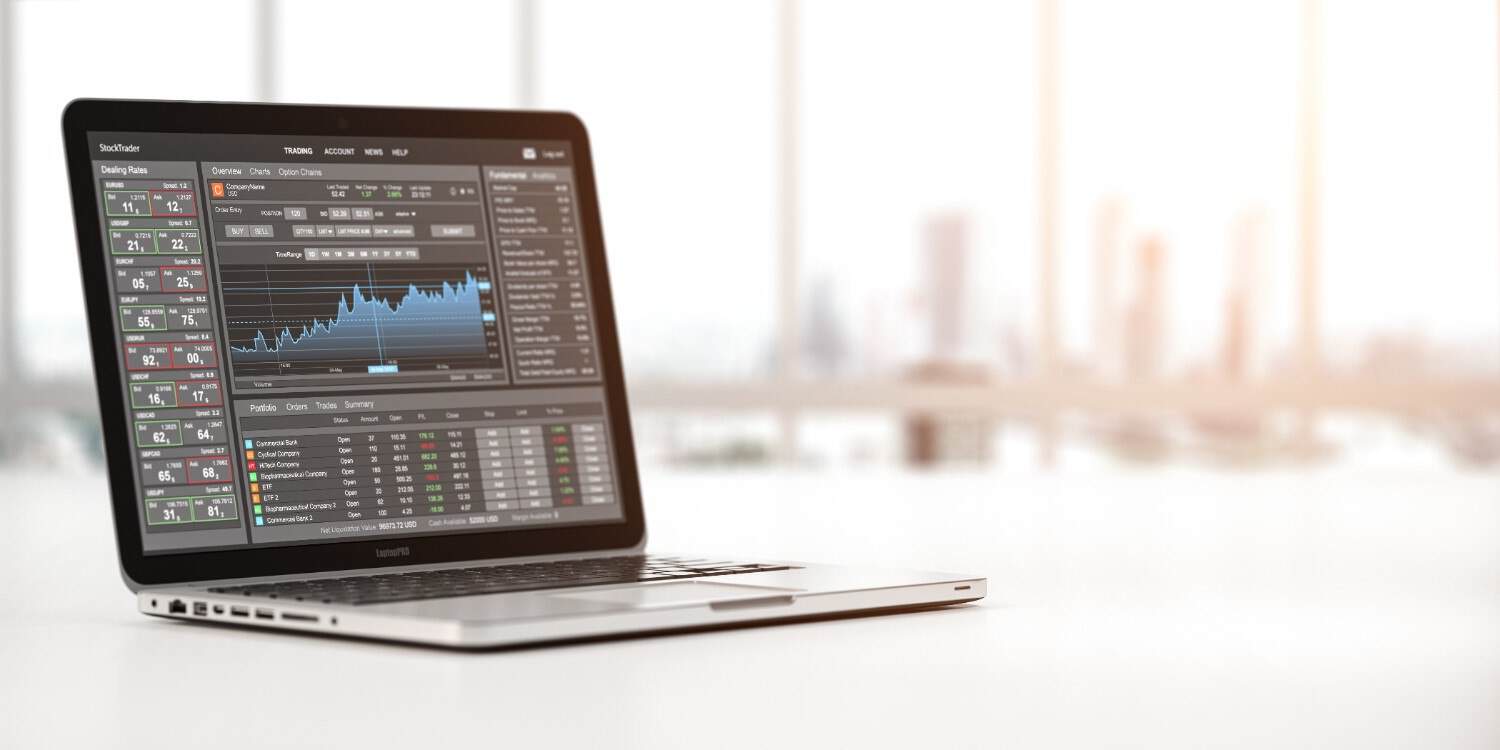
| Summary: IoT is transforming asset monitoring by providing real-time visibility into asset location, condition, movement, utilization, and maintenance. By combining IoT with RFID, GPS, Bluetooth, UWB, and barcode technologies, platforms like Lowry Solutions’ Sonaria help organizations automate workflows, improve asset utilization, reduce downtime, integrate enterprise systems, and make faster, data-driven operational decisions. |
It is becoming increasingly difficult to manage assets across facilities, warehouses, production floors, and field operations. All organizations might have thousands of assets that move from one location to another, or between teams or environments. Yes, understanding where an asset is located has its significance, but knowing what condition your asset is in while understanding how it is utilized and if any maintenance activities are due or overdue can be equally crucial.
It has been mentioned previously that traditional methods like spreadsheets, manual inspections, and scheduled inventory checks are only a still picture. If an asset is already lost, damaged, underutilized, or overdue for maintenance when we respond to a problem, we might be too late.
This way of doing things is being altered by the Internet of Things (IoT). Connected sensors gather assets and ambient data all the time, putting a clearer and more normal view of an enterprise’s background at your fingertips.
The value of IoT is bringing data into tracking technologies. Lowry Solutions, through its Sonaria platform, combines IoT with RFID plus GPS plus Bluetooth plus UWB plus barcode technology. It helps organizations to track data from a central place, automate workflows, manage asset health conditions, and convert operational data into intelligence.
Why Modern Asset Monitoring Requires More Than Periodic Tracking

Modern operations cannot rely on occasional updates. Assets move, conditions change, and maintenance needs can arise between inspections.
Manual Monitoring Creates Visibility Gaps
Manual monitoring requires employees to check equipment, update records, and verify locations. As asset volumes grow, these processes become harder to maintain.
Common challenges include:
- Difficulty confirming an asset’s current location
- Time-consuming physical inspections
- Duplicate or outdated records
- Limited visibility across facilities
- Increased administrative work
- Delayed identification of missing assets
IoT-enabled monitoring reduces reliance on manual data collection by automatically gathering information from connected devices and sensors.
Asset Conditions Matter as Much as Location
Location is only one part of asset visibility. Asset condition can directly affect product quality, equipment performance, safety, and compliance.
For example, temperature-sensitive products may require continuous monitoring, while manufacturing equipment may need vibration or shock monitoring. Healthcare equipment may require visibility into both location and operating conditions.
IoT sensors can collect data such as:
- Temperature
- Humidity
- Vibration
- Shock
- Movement
- Equipment status
This gives organizations a broader view of how assets are being used and maintained.
Delayed Data Slows Operational Decisions
Outdated asset information can lead to delayed maintenance, unused equipment, inventory discrepancies, and inefficient resource allocation.
Real-time information helps teams respond faster.
How IoT Is Transforming Modern Asset Monitoring Software
IoT is not just about connecting sensors to assets. Its value comes from turning collected data into useful information for operations teams.
Continuous Real-Time Asset Visibility
IoT sensors provide ongoing updates on asset movement, location, and status, giving teams visibility without waiting for inspections.
A connected asset monitoring solution can help teams understand:
- Where assets are located
- When assets move
- Whether assets are being used
- Which assets need attention
- How assets move between locations
Environmental Monitoring for Critical Assets
Focus on assets that need monitoring beyond location. IoT sensors are capable of monitoring temperature, humidity, vibration, and shock levels with a notification if those metrics cross the limits.
It is particularly useful in healthcare, pharmaceuticals, and manufacturing where the environment has an impact on asset performance or product quality.
Predictive Maintenance Through Connected Data
The IoT data supports maintenance teams to foresee any problems related to the equipment before it loses its function. Monitoring vibration, usage, and operating conditions supports proactive maintenance.
This can help organizations:
- Detect issues earlier
- Reduce unexpected downtime
- Improve maintenance planning
- Extend asset life
- Reduce unnecessary maintenance
Automated Alerts and Workflow Automation
IoT monitoring becomes more effective when data triggers action. Systems can automatically alert teams when:
- An asset leaves an approved area
- Temperature exceeds a threshold
- Unexpected movement occurs
- Equipment requires inspection
- Maintenance is approaching
Smarter Analytics for Better Asset Utilization
Real-time data helps organizations analyze asset utilization, movement, downtime, and inventory trends. This can identify underused equipment and improve allocation decisions.
For example, organizations can move underutilized equipment between facilities instead of purchasing additional assets.
Lowry Perspective: Connecting IoT With the Complete Tracking Environment
Lowry Solutions, via its proprietary Sonaria platform, merges IoT with RFID, barcodes, Bluetooth, GPS and UWB technologies.
Sonaria provides a central location to obtain tracking information while offering real-time visibility, asset lifecycle management, analytics, workflow automation, reporting and GPS tracking.
Using various tracking technologies, firms can achieve a more integrated and full picture of their assets and inventory.
Industry Applications of IoT Asset Monitoring Software
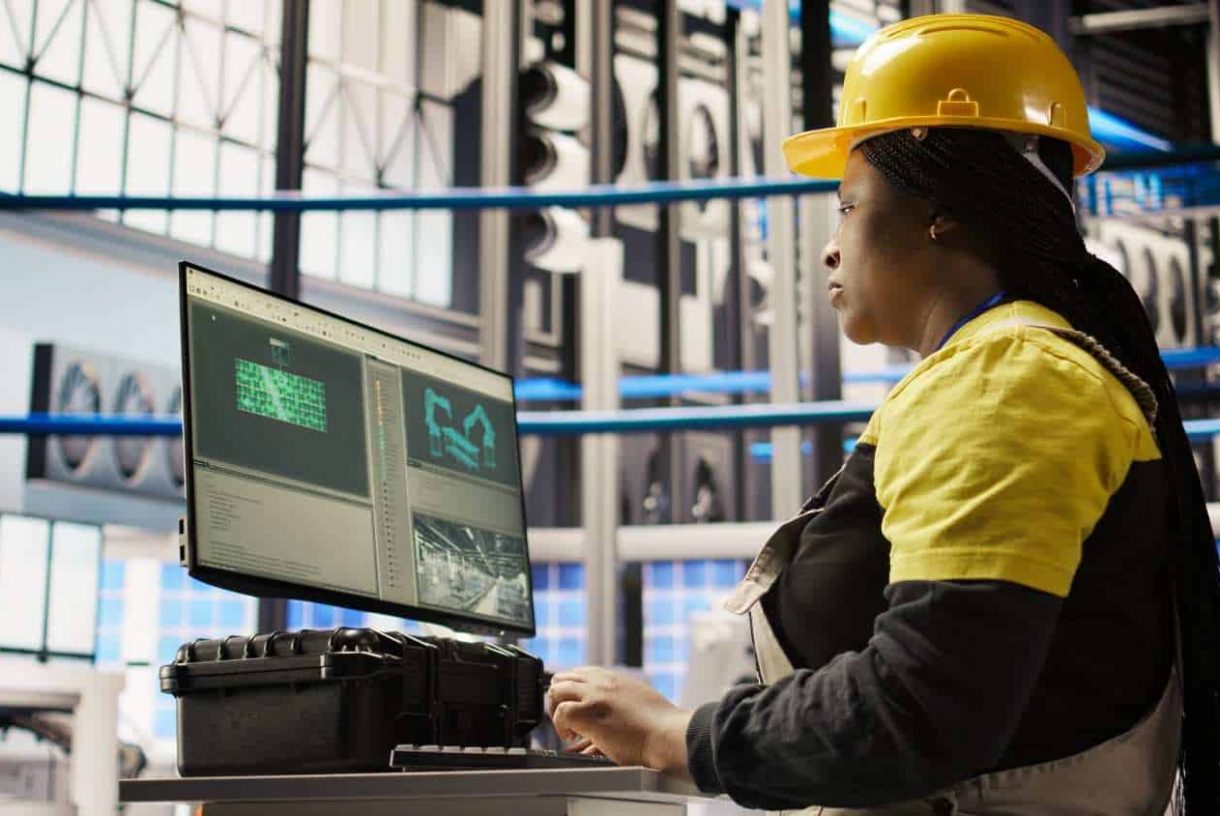
IoT asset monitoring can support a wide range of operational environments. The specific application depends on the assets, workflows, and visibility requirements of each organization.
Manufacturing
Manufacturing environments often include production equipment, tools, work-in-process assets, and materials moving throughout a facility.
IoT monitoring can provide information about equipment conditions and usage while working alongside RFID and barcode technologies for asset identification and tracking.
This can help manufacturers improve:
- Equipment uptime
- Maintenance planning
- Asset utilization
- Work-in-process visibility
- Production efficiency
Healthcare
Healthcare organizations manage the medical equipment and other critical assets over multiple departments in multiple facilities.
IoT-enabled monitoring can allow staff to track equipment, and sensors may monitor environmental conditions for certain assets in which controlled storage or handling is important.
Better visibility decreases the time spent searching for equipment, supports asset accountability, and allows healthcare teams to be more efficient in managing equipment.
Warehousing and Distribution
Warehouses manage large volumes of inventory, equipment, and materials across storage and operational areas.
IoT can complement RFID and barcode tracking by providing additional information about asset movement and environmental conditions.
This can support:
- More accurate inventory management
- Better equipment utilization
- Automated alerts
- Improved storage monitoring
- More efficient warehouse operations
Transportation and Logistics
Assets and shipments are never stationary. They move between warehouses, distribution centers, customers, and other destinations.
Visibility extends beyond facilities with GPS and IoT technologies. With centralized software, organizations can understand movement throughout the supply chain by tracking mobile assets and shipments.
It boosts all aspects of supply chain transparency, including asset security, tracking routes, and communicating with customers.
Field Service Operations
In most cases, field service organizations oversee the tools and equipment dispersed over various job sites. When this is not centralized, it can be challenging to know where assets are and whether the equipment is being used efficiently.
IoT, GPS, RFID, Bluetooth, and barcode technologies improve accountability that helps people in the field but also maximizes your mobile equipment transparency.
Choosing an IoT Asset Monitoring Solution That Supports Long-Term Growth
Selecting an IoT solution should involve more than evaluating individual sensors. Organizations should consider how the technology will fit into their broader asset management environment.
Look for Multi-Technology Support
No two operations have the same tracking requirements. A solution should support the technologies that best fit the assets and environment.
Look for platforms capable of integrating:
- IoT sensors
- RFID
- Bluetooth
- GPS
- UWB
- Barcode
A technology-agnostic approach provides greater flexibility as tracking requirements change.
Prioritize Enterprise Integration
Do not create new silos of data with asset monitoring. A solution you can integrate will connect with the systems a company already uses.
Right integration with ERP, WMS, and other enterprise systems can enable a consolidated operational view from the conveyor or even reduce transfer of information between systems.
Sonaria is built with REST APIs, connectors for custom integration with ERP and WMS environments, thereby guiding organizations to integrate their tracking information into their existing workflows.
Engage with an Existing Solution Provider
Simply installing sensors for asset monitoring is not the complete solution. It includes hardware selection, integration, design, lifecycle management, etc.
This burden can be compensated for, however, by an experienced solution provider to manage these requirements throughout the asset’s lifecycle.
Lowry Solutions offers hardware purchasing and deployment, professional services, enterprise integration, workflow automation, training, electrical support, repairs, replacements, and lifecycle management. It also takes a hardware-agnostic approach, allowing organizations to select technologies based on how they operate.
Conclusion
From a periodic, manual approach to asset monitoring, IoT is bringing operational visibility through continuous asset tracking. Wearable products and connected sensors convert an asset into a ‘smart object’ that also captures where it is located, what environmental factors it is exposed to, how it moves, and its current condition, allowing teams to act faster with improved decision-making.
But merely having IoT devices is not sufficient. Connecting sensor data to tracking technologies, enterprise systems, analytics and automated workflows is where the real value lies.
Lowry Solutions integrates a range of IoT, RFID, barcode, Bluetooth and GPS data into a single Sonaria platform. This helps an organization in asset utilization, standstill downtime, process automation and visibility.
In complex asset environments managed by enterprises, the objective is beyond just connecting devices. It becomes about how asset data amplifies effective operational action.
Frequently Asked Questions
IoT asset monitoring software collects data from connected sensors and uses that information to monitor asset location, movement, condition, and environmental factors in real time.
IoT reduces reliance on manual inspections and periodic updates by continuously collecting asset data. This gives teams more current information and enables automated alerts when conditions change.
IoT sensors can monitor equipment, tools, inventory, production assets, healthcare equipment, shipments, and other mobile or fixed assets. The appropriate sensor depends on the asset and monitoring requirements.
Yes. Enterprise IoT solutions can integrate with ERP, WMS, and other business systems. Sonaria supports enterprise integration through REST APIs and custom connectors.
Lowry Solutions provides an end-to-end approach that includes hardware selection, deployment, software integration, workflow automation, training, support, and lifecycle management. Sonaria brings IoT and other tracking technologies together to provide centralized asset visibility and actionable data.

A Horizons Talent Alumnus and Microsoft Certified Systems Engineer (MCSE), the author brings a proven track record of success in senior shared-services leadership roles within large, complex multinational organizations, particularly in the manufacturing sector.
With deep experience at Senior Manager level, they have led strategic customer relationships by understanding core business imperatives, shaping service and solution propositions, and delivering measurable business outcomes.