
| Summary: RFID work-in-process (WIP) tracking gives manufacturers real-time visibility into production, helping reduce manual processes, improve traceability, and eliminate bottlenecks. By combining RFID technology, enterprise integration, and the Sonaria platform, Lowry Solutions enables connected manufacturing operations that enhance workflow efficiency, support data-driven decisions, and improve overall production performance. |
Real-time visibility is key to making modern manufacturing tick over smoothly. However, numerous facilities continue to have manual updates, barcode scans, or disconnected systems, leading to blind spots that can slow production down, make inventory less accurate, and make it more difficult to detect bottlenecks.
RFID overcomes these issues by automatically tracking materials, components, and finished goods at all stages in the production process. Real-time data and automated capture provide better insight for manufacturers while streamlining the workflow.
Lowry Solutions provides complete industrial RFID solutions that bring together the different elements needed for an integrated solution: certified hardware, professional integration services, and the Sonaria Platform for production data centralization, workflow automation, and actionable insight generation to drive manufacturing performance optimization.
Why Accurate WIP Tracking Is Critical in Modern Manufacturing
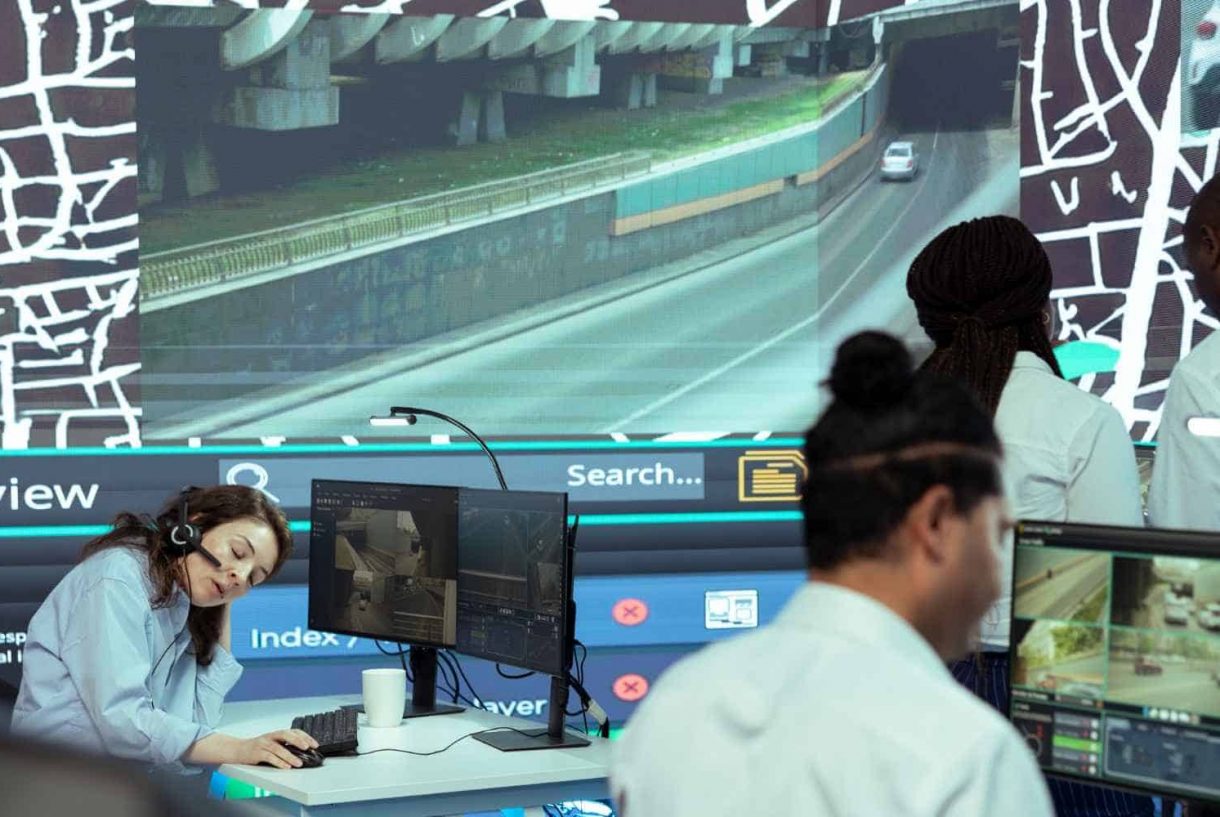
There are thousands of production events taking place in manufacturing environments every day. The movement of raw materials, assemblies, tools, or finished products affects production schedules and the reliability of inventory statistics. In the absence of real-time visibility, the resultant small delays can manifest into larger operational challenges.
Lack of Visibility Creates Production Delays
Since production data is updated through manual methods and recorded only at checkpoints, managers often rely on outdated information. Without production updates, it becomes impossible to track the location of your materials, determine if the production is on schedule, or know which workstation needs urgent attention.
Limited visibility can result in:
- Delayed production schedules
- Reduced throughput
- Missed customer delivery dates
- Difficulty locating materials
- Increased downtime between production stages
The ability to see in real-time allows supervisors to monitor production at all times and react before small issues have a chance to spiral into larger, costly delays.
Manual Tracking Slows Operations
Many manufacturers still depend on barcode scanning or paper-based tracking processes. While barcode technology remains valuable in many workflows, WIP tracking often requires repeated operator involvement.
Employees must:
- Locate the barcode
- Scan each item individually
- Update production records
- Correct missed scans when errors occur
These additional steps consume valuable production time and increase the likelihood of incomplete or inaccurate records.
RFID automates much of this process by capturing movement without requiring direct line-of-sight scanning, reducing manual effort while improving data accuracy.
Inaccurate WIP Data Impacts Decision-Making
Reliable information is required for production planning. Manufacturers can wind up with: When WIP data is incomplete or delayed:
- Excess inventory
- Material shortages
- Production bottlenecks
- Quality concerns
- Inefficient labor allocation
- Reduced equipment utilization
Poor production data makes work order prioritisation, workflow optimisation and consistency in production performance even more challenging.
This capability, which allows for real-time visibility throughout production, has led more manufacturers to implement RFID-enabled WIP tracking systems in response to operational challenges.
How RFID Enhances Work-in-Process Tracking
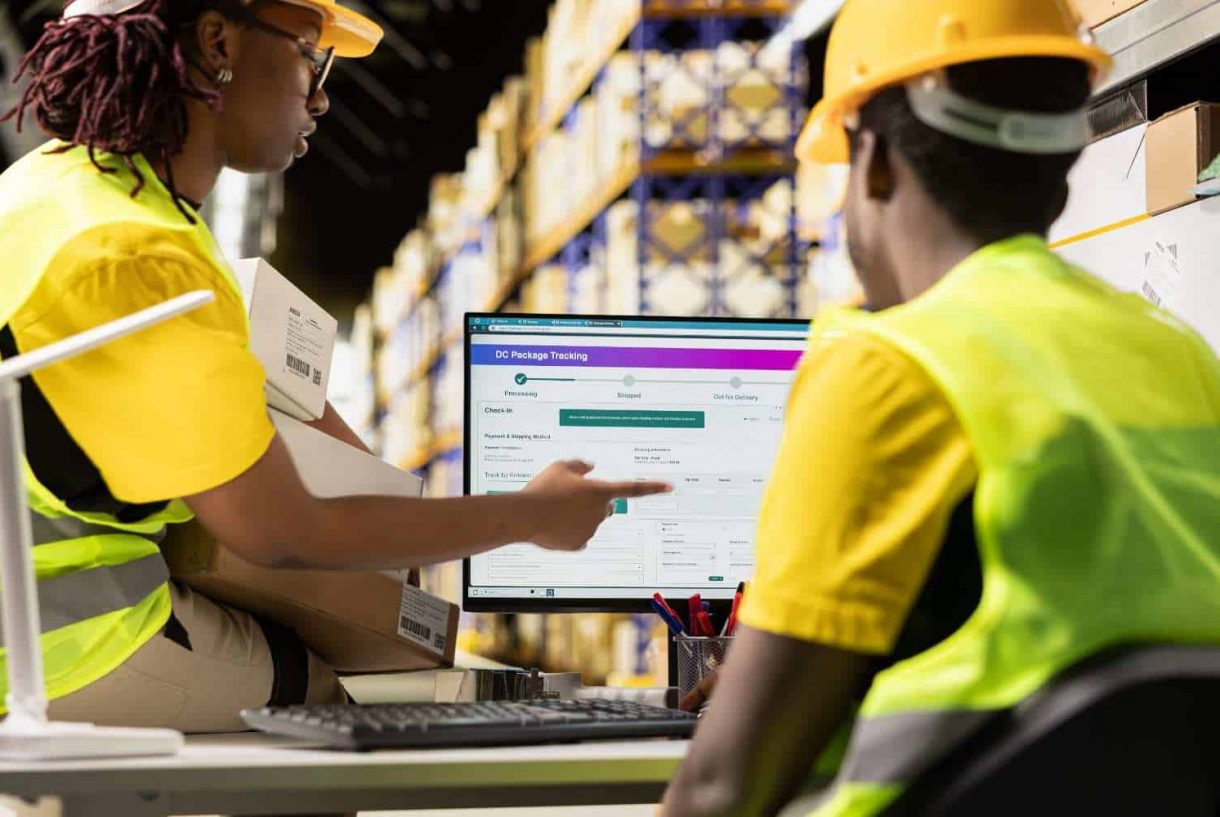
One of the major ways RFID technology has altered the visibility of production begins with an automatic collection process as those materials and products travel through manufacturing. RFID results in a continuous digital record of production activity, rather than waiting for manual updates.
Real-Time Visibility Across the Production Floor
RFID tags attached to your materials, containers, pallets, or assemblies send and receive information from RFID readers placed in various locations around a plant or facility.
In the course of production, the system records automatically:
- Current location
- Production status
- Movement history
- Processing stage
- Time spent at each workstation
With constant visibility across areas, supervisors can get instant access to production without disrupting operations.
Teams can access accurate production information without having to search for inventory, wait for manual updates, or spend time looking around.
Automated Data Capture Reduces Manual Processes
One of RFID’s greatest advantages is automated data collection.
Unlike barcode systems that require employees to scan individual items, RFID readers can detect tagged assets automatically as they pass through designated checkpoints.
Automated data capture helps organizations:
- Reduce manual scanning
- Improve inventory accuracy
- Minimize human error
- Increase labor productivity
- Capture production data consistently
This automation enables employees to focus on production activities rather than administrative RFID asset tracking tasks.
Faster Identification of Production Bottlenecks
Production delays often begin long before they become visible.
With real-time RFID data, manufacturers can monitor cycle times, workstation performance, and product flow throughout the facility.
Managers can quickly identify:
- Slow-moving production lines
- Equipment delays
- Material shortages
- Workflow interruptions
- Capacity constraints
Early visibility allows corrective action before delays affect customer deliveries or production schedules.
Improved Traceability Throughout Production
Traceability is becoming increasingly important across manufacturing industries, particularly where quality control and regulatory compliance are essential.
RFID creates a detailed production history for every tagged item, documenting:
- Manufacturing steps
- Processing times
- Equipment interactions
- Inspection records
- Material movement
- Final production status
This digital history supports quality investigations, product recalls, warranty management, and compliance reporting while improving confidence in production data.
Better Inventory and Material Management
WIP tracking covers more than just finished products.
RFID helps manufacturers monitor:
- Raw materials
- Work-in-process inventory
- Production containers
- Returnable transport items
- Finished goods
Understanding real-time inventory visibility can help eliminate shortages, avoid excess inventory, improve replenishment plans, and reduce production stoppages from missing materials.
Lowry Solutions pieced together both RFID technology and Sonaria, which brings production information together from all over the manufacturing floor. Sonaria combines real-time dashboards, automated workflows, production analytics, and customizable alerts integrated with ERP and Manufacturing Execution Systems (MES) into one software.
Manufacturing Applications That Benefit from RFID WIP Tracking
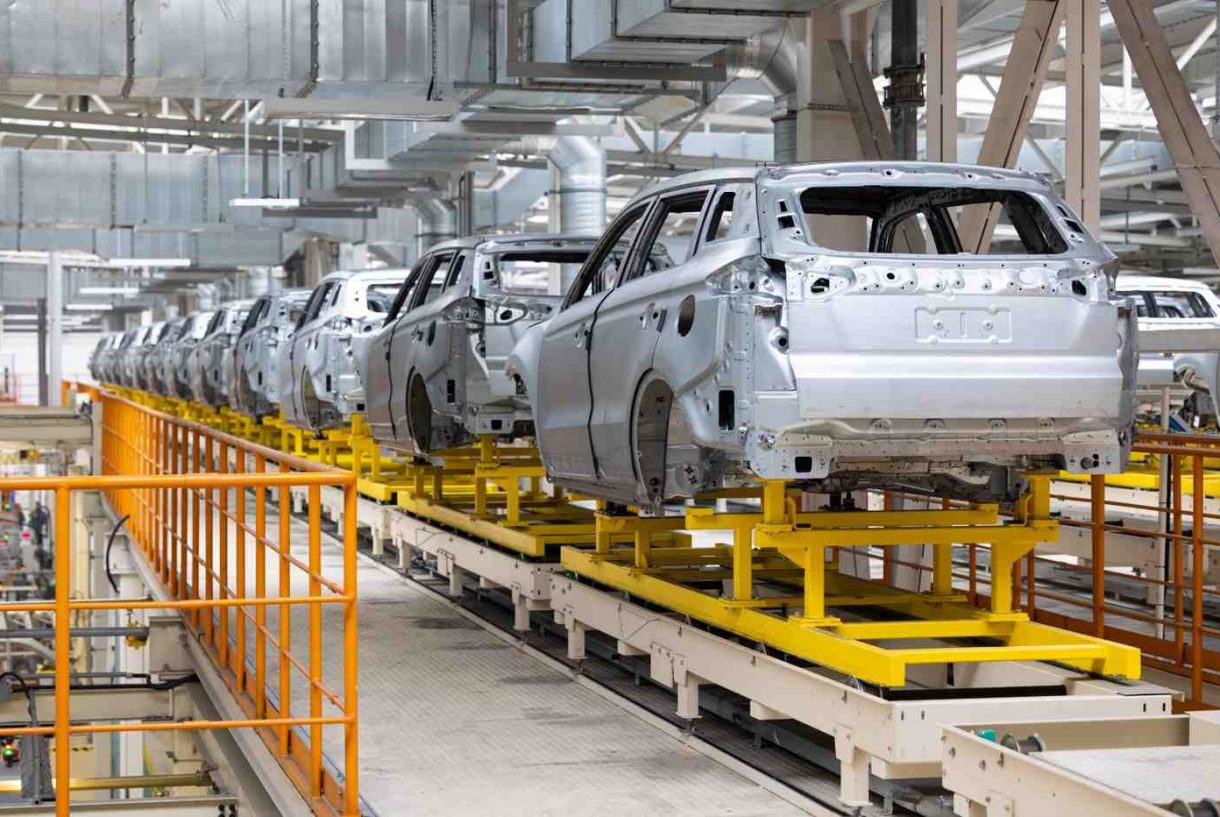
RFID WIP tracking supports a wide range of manufacturing environments where real-time visibility, traceability, and operational efficiency are essential.
Automotive Manufacturing
Automotive manufacturers deal with thousands of components that go through intricate production processes. RFID enables real-time visibility into parts, assemblies, and tools, the sequencing of production, and documentation of quality that’s supported. It improves production coordination, avoids misplaced components, and keeps manufacturing on track.
Industrial Manufacturing
Industrial manufacturers frequently engage in production orders for large amounts, enjoy the reuse of containers, use specialized equipment, and work on multiple stations. RFID allows you to track production orders and essential assets in real-time, assisting teams in quickly locating equipment, increasing workflow productivity, and minimizing production downtime throughout the facility.
Electronics Manufacturing
Electronics manufacturers need complete traceability at every stage of production. RFID monitors Circuit boards, electronic components, assemblies, testing processes, and finished products used in the process of manufacturing. It simplifies the production documentation while supporting quality control.
Aerospace and Defense
Because of the stringent quality and compliance process, aerospace and defense manufacturers require precise documentation along with serialized part RFID asset tracking. RFID generates long production histories that reinforce traceability and bolster both regulatory compliance and quality assurance in the manufacturing process.
Medical Device Manufacturing
Medical device manufacturers work in highly regulated environments where it is crucial to trace production. RFID provides companies with the ability to follow components, production lots, inspections, and finished products through the manufacturing process while helping maintain quality documentation and supporting regulatory compliance.
What to Look for in an RFID WIP Tracking Solution
Selecting an RFID solution involves more than choosing hardware. Manufacturers should evaluate how well the entire system supports long-term operational goals.
End-to-End System Integration
RFID data becomes significantly more valuable when integrated with enterprise software.
Look for solutions that connect with:
- ERP systems
- Manufacturing Execution Systems (MES)
- Warehouse Management Systems (WMS)
- Asset management software
- Business intelligence platforms
Integrated systems eliminate data silos and provide a complete view of manufacturing operations.
Scalable Hardware and Software
Manufacturing requirements continue to evolve.
Organizations benefit from RFID infrastructure that supports:
- Facility expansion
- Additional production lines
- New manufacturing locations
- Increased asset volumes
- Emerging tracking technologies
A scalable, hardware-agnostic approach provides flexibility as operational needs change.
Workflow Automation and Analytics
Modern RFID solutions should do more than collect data.
Look for capabilities including:
- Automated alerts
- Real-time dashboards
- Production reporting
- Workflow automation
- Operational analytics
- Performance monitoring
These features help manufacturers identify improvement opportunities while supporting continuous operational optimization.
Experienced Deployment and Support
Technology alone does not guarantee successful implementation.
Effective RFID deployments require:
- Process assessment
- Solution design
- Hardware configuration
- Enterprise integration
- Employee training
- Ongoing optimization
- Long-term support
Working with an experienced implementation partner helps reduce deployment risk while accelerating time to value.
Why Manufacturers Choose Lowry Solutions
Lowry Solutions has been in the RFID deployment business for over 20 years and tracks manufacturers’ production visibility through integrated tracking solutions. Lowry is a hardware-agnostic provider of certified RFID technologies, professional integration services, and its Sonaria platform for connecting RFID data with ERP, MES, and other enterprise systems.
Sonaria combines all the most common tracking data, including RFID, barcode, GPS, and Bluetooth, into a single point of truth with real-time dashboards, workflow automation, and analytics that enable actionable insights. Combined, these capabilities enable manufacturers to optimize workflows, enhance decision-making, and create value from their RFID investment.
Conclusion
Proper piece tracking is needed to enhance production efficiency, minimize delays in WIP inventories, as well as for corporate recall & traceability purposes of the product. Industrial RFID solutions, when deployed across an industrial area, offer real-time visibility by automating data capture and identification of the material at workstations during production.
When paired with enterprise integration and workflow automation, Lowry Solutions empowers manufacturers to construct connected operations that deliver visibility into performance in real-time, streamlined workflows, and measurable operational performance improvements.
Frequently Asked Questions
It enables automatic monitoring of materials, components, and products during manufacturing with an RFID WIP tracking system, using RFID tags and readers to provide real-time visibility into production progress.
RFID automatically captures asset movement without manual scanning, giving manufacturers accurate, real-time production data for better scheduling, inventory management, and workflow optimization.
Yes. Modern RFID solutions integrate with ERP, MES, WMS, and other enterprise systems to serve as a central data repository for production while facilitating the execution of automation workflows.
Any manufacturer with complex production processes, including automotive, industrial, electronics, aerospace and defense, medical device, etc.
Lowry Solutions centralizes knowledge for all aspects of RFID deployments, hardware selection, system integration, workflow automation, professional services, and a comprehensive platform (Sonaria) to deliver real-time production visibility with ongoing operational upside.

A Horizons Talent Alumnus and Microsoft Certified Systems Engineer (MCSE), the author brings a proven track record of success in senior shared-services leadership roles within large, complex multinational organizations, particularly in the manufacturing sector.
With deep experience at Senior Manager level, they have led strategic customer relationships by understanding core business imperatives, shaping service and solution propositions, and delivering measurable business outcomes.