
| Summary: Supply chain disruptions demand real-time visibility to maintain operational continuity. RFID automates tracking across inventory, assets, and shipments, improving accuracy, traceability, and decision-making. Combined with Lowry Solutions’ enterprise integration expertise and the Sonaria platform, organizations can streamline workflows, strengthen supply chain resilience, and build more connected, agile, and efficient operations. |
Material shortages, transportation delays, and ongoing labor market challenges were already making supply chains more complicated before a variety of factors combined to introduce unexpected shock waves and accelerating changes in customer demand. Organizations require real-time insights to make timely decisions and retain continuity of business, as manual or delayed updates impact their ability to respond effectively in this scenario.
RFID captures automatic data with a unique identification option at various points across the supply chain, which helps with continuous visibility of inventory, assets & shipments. When supplied with timely, real-time data, enterprises can achieve better inventory accuracy, react quickly to disruptions, and make more informed operational-based decisions.
Lowry Solutions provides enterprise RFID supply chain solutions, professional integration services, and the Sonaria platform to help organizations create stronger supply chains. By connecting RFID to utilization throughout current enterprise systems, Lowry supplies both the visibility and workflow automation required for productive, connected operations by providing businesses with the insights needed.
Why Supply Chain Resilience Depends on Real-Time Visibility

Supply chain resilience is the ability to adapt quickly to disruptions while maintaining operational performance. Achieving that level of agility begins with accurate, real-time visibility across inventory, assets, and shipments.
Disruptions Can Occur at Any Stage of the Supply Chain
Throughout the supply chain, many complex challenges and risks can relate to business operations. Just one disruption can have ripple effects across procurement, manufacturing, warehousing, transport, and customer fulfilment.
Common supply chain challenges include:
- Supplier delays
- Transportation disruptions
- Labor shortages
- Inventory inaccuracies
- Material shortages
- Equipment availability issues
- Unexpected demand fluctuations
- Port congestion and shipping delays
Organizations can find out about these problems following schedules and fulfillment of deliveries to customers a bit behind the times without reliable operational data.
Limited Visibility Delays Response Times
Many businesses continue to rely on manual counts, barcode scans, spreadsheets, or disconnected software platforms for tracking inventory movement.
This process creates visibility gaps as information is only updated when employees take manual actions. Since inventory is mobile among locations, facilities, warehouses, or any production area, real-time reporting systems have severe limitations, as they make it challenging to know precisely where a given shipment is located and how much of that specific product has been delivered.
Limited visibility can lead to:
- Delayed decision-making
- Inventory shortages
- Overstock situations
- Missed customer commitments
- Production interruptions
- Increased operational costs
This means that organizations must be aware of their supply chain event status continuously, and not just via quarterly updates whenever a massive disruption occurs.
Better Data Leads to Better Decisions
Operational decisions are only as effective as the data behind them.
When organizations have access to real-time inventory and asset information, they can:
- Reallocate inventory between locations
- Prioritize customer orders
- Adjust production schedules
- Improve replenishment planning
- Respond to transportation delays
- Reduce unnecessary safety stock
- Improve workforce planning
Accurate data enables faster decisions that minimize disruption while maintaining service levels.
RFID provides this visibility by automating data capture throughout the supply chain, creating a continuous flow of reliable operational information.
How RFID Strengthens Supply Chain Resilience
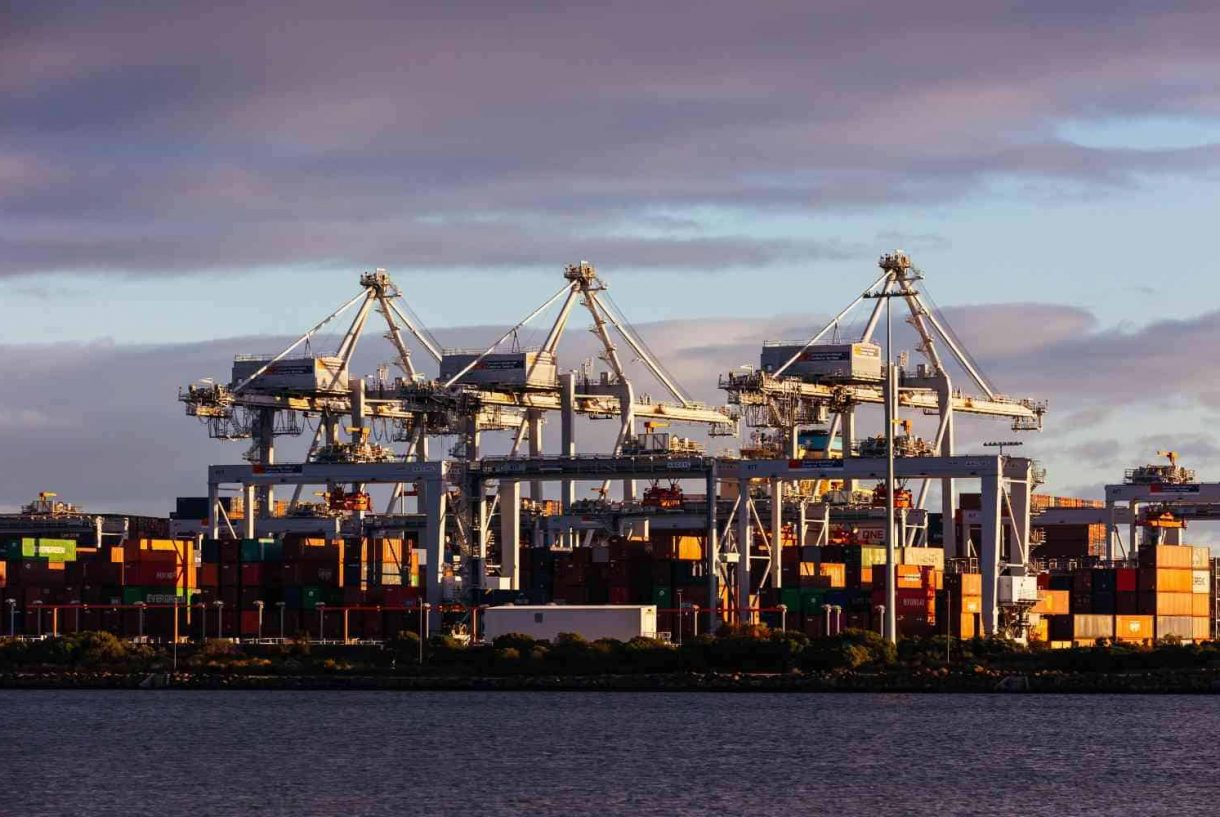
RFID technology enables organizations to monitor inventory and assets throughout the supply chain without relying on manual updates. Automated tracking creates greater operational awareness, helping organizations identify issues early and respond more effectively.
End-to-End Visibility Across the Supply Chain
RFID provides continuous visibility into inventory movement from receiving through final delivery.
Organizations can track:
- Raw materials
- Work-in-process inventory
- Finished goods
- Returnable transport items
- Warehouse inventory
- Distribution center inventory
- In-transit shipments
- High-value assets
RFID readers automatically capture tagged items as they move through warehouses, production facilities, loading docks, and distribution centers.
This real-time visibility helps eliminate uncertainty while providing a complete picture of supply chain operations.
Real-Time Inventory Accuracy During Disruptions
Supply uncertainty makes inventory accuracy even more critical.
During times of scarcity, organizations require on-demand access to verifiable inventory data to guide their decisions about how best to prioritize constrained supplies or fulfill inbound customer orders.
RFID increases inventory visibility and accuracy, as it is a non-intrusive technology in which product movement can be recorded without scanning.
This helps organizations:
- Locate available inventory quickly
- Reduce stock discrepancies
- Improve replenishment planning
- Prevent duplicate inventory records
- Support cycle counting
- Improve warehouse accuracy
Accurate data on inventory availability enables organizations to react decisively even when there is a supply shortage or demand conditions change suddenly.
Faster Identification of Supply Chain Bottlenecks
Little delays in timelines are mostly the first seeds for RFID supply chain disturbance: if disregarded, they will spread throughout operations.
RFID, which provides operational visibility around the clock, enables organizations to determine:
- Receiving delays
- Warehouse congestion
- Production slowdowns
- Shipment delays
- Inventory imbalances
- Transportation interruptions
When operations teams can spot disruptions right away, they can fix problems before manufacturing schedules or deliveries to customers are impacted.
Organizations can see the proactive management of operations rather than have to react after an issue happens. Organizations can proactively manage instead of having to react after problems occur.
Improved Asset and Shipment Traceability
Traceability is essential for maintaining accountability throughout the supply chain.
RFID creates a detailed digital history for inventory, reusable assets, and shipments by recording movement at each stage of the supply chain.
Organizations gain visibility into:
- Shipment locations
- Inventory movement
- Asset utilization
- Receiving history
- Distribution activity
- Chain of custody
Better Collaboration Through Connected Systems
Visibility is even more useful where operational data is shared between enterprise systems.
RFID integrates with:
- Enterprise Resource Planning (ERP)
- Warehouse Management Systems (WMS)
- Transportation Management Systems (TMS)
- Asset management software
- Inventory management platforms
- Business intelligence tools
Information silos become a thing of the past as connected systems offer one operational picture, which facilitates effective coordination between procurement, warehousing, transportation, manufacturing and customer service teams.
Lowry Solutions combines RFID with its Sonaria platform that merges data from all RFID, barcode, GPS, Bluetooth and other IoT technologies onto a single dashboard. The solutions built into the company provide real-time visibility, automated workflows and analytics, and device-agnostic integration via Sonaria to ERP and WMS, allowing organizations to make quicker decisions on simplifying their operational processes for better trend analysis while also increasing supply chain resilience.
Industries That Benefit Most from RFID During Supply Chain Disruptions
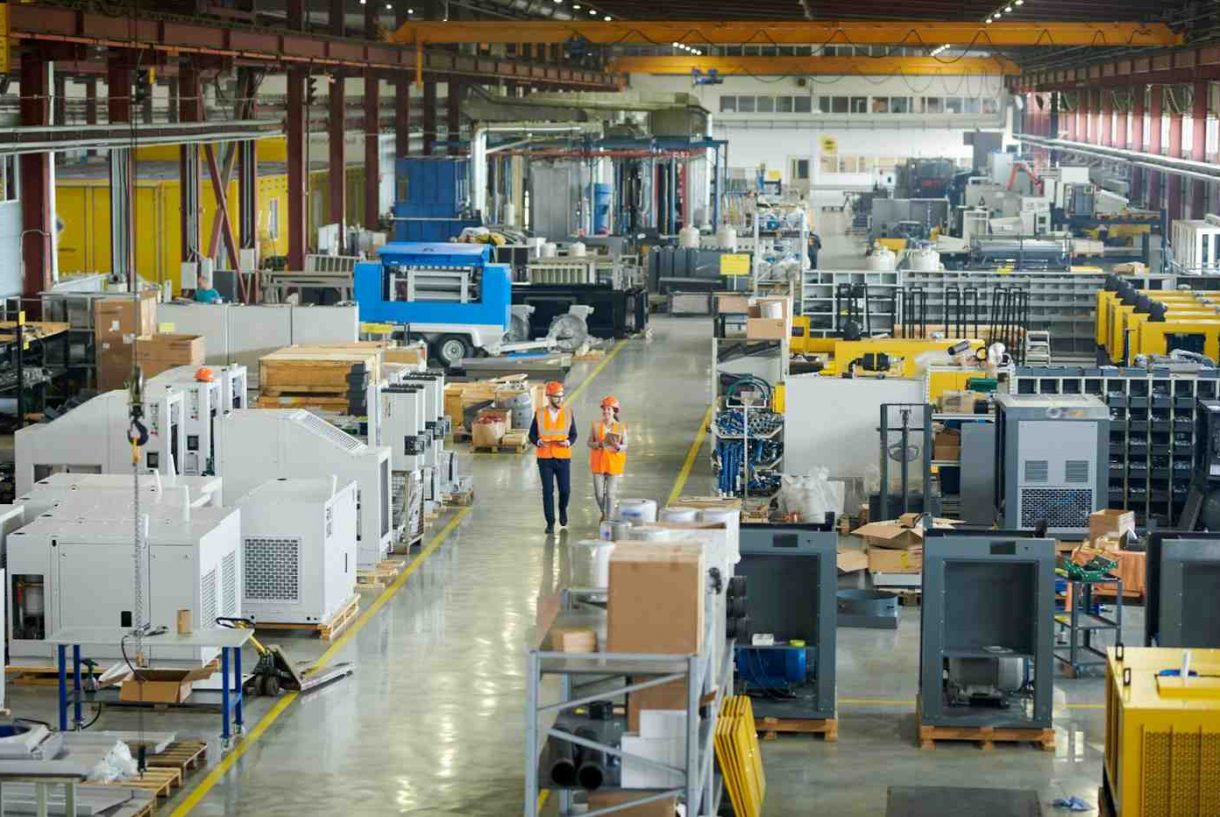
RFID has been implemented across organizations in various industries to enhance visibility and sustain business as usual during disruption events in the supply chain.
Manufacturing
Manufacturers use RFID to track incoming materials, work-in-process inventory, and finished goods as they move through the supply chain. More transparency yields improved cycle times, fewer stock-outs, and fuller production schedules.
Warehousing and Distribution
RFID automates warehouse inventory tracking and significantly improves receiving, inventory management, order fulfillment, and replenishment. This not only eradicates manual work but also reduces stock inaccuracy, thereby improving the overall warehouse efficiency.
Healthcare
Healthcare Providers use RFID systems to track medical equipment, pharmaceuticals, and critical supplies at multiple facilities. This visibility in these regulatory aspects will help ensure that any important resources needed for patient care are always available without fail.
Retail
RFID allows retailers to have greater inventory accuracy, cut down on stockouts, support omnichannel fulfillment, and provide better visibility into stores and distribution centers, grouping solutions that let them operate more efficiently than ever before.
Transportation and Logistics
Transportation and logistics companies employ RFID tagging to track shipments, reusable assets, and fleet inventory throughout the supply chain. Visibility is what turns shipment tracking to a new horizon; it cuts down delays and goes hand in hand with enhanced coordination of logistics operations.
What to Consider When Investing in RFID for Supply Chain Resilience
Choosing an enterprise RFID solution requires evaluating more than tags and readers. Organizations should consider how the technology will support long-term operational goals.
Look for Scalable Solutions
Business requirements continue to evolve.
Organizations should select RFID infrastructure that can expand across:
- Additional warehouses
- Manufacturing facilities
- Distribution centers
- Regional operations
- New business units
- Future tracking technologies
Scalable solutions provide flexibility while protecting long-term technology investments.
Prioritize Enterprise Integration
RFID delivers the greatest operational value when integrated with existing enterprise software.
Look for solutions that connect with:
- ERP systems
- WMS platforms
- TMS applications
- Inventory management software
- Asset management systems
- Business intelligence platforms
Enterprise integration creates a single source of operational data, improving visibility and decision-making across the organization.
Choose a Partner That Supports the Entire Deployment
Successful RFID implementations involve more than installing hardware.
Organizations benefit from partners that provide:
- Operational assessments
- Solution design
- Hardware selection
- Software integration
- Workflow optimization
- Employee training
- Ongoing technical support
- System optimization
Comprehensive deployment services help organizations maximize adoption while reducing implementation risk.
Why Organizations Choose Lowry Solutions
Lowry Solutions has over 20 years of experience in implementing RFID and helps organizations achieve improved visibility, automation, and operational performance. Their hardware-agnostic approach, professional-grade integration services, as well as the Sonaria platform, combine RFID, barcode, GPS, Bluetooth, and IoT data into a single view. When paired with seamless ERP and WMS integration as a whole, Lowry provides connected, scalable solutions that accelerate the construction of more resilient supply chain operations.
Conclusion
Indeed, resilient supply chains require real-time visibility over manual processes and delayed reporting. RFID boosts inventory accuracy, automates data capture, and enhances traceability to allow organizations to respond quickly during disruptions. Together, the product works to create interconnected and modernized supply chain operations with greater efficiency and resilience through enterprise integration paired with the Sonaria platform from Lowry Solutions.
Frequently Asked Questions
RFID provides real-time visibility into inventory, assets, and shipments through automated data capture, enabling organizations to identify disruptions quickly and make informed operational decisions.
Yes. RFID improves inventory accuracy, strengthens traceability, identifies bottlenecks earlier, and provides the visibility needed to respond more effectively to supply chain disruptions.
RFID automates the tracking of inventory movement at many points, such as warehouses, production facilities, and distribution centers, for a clean real-time view of inventory in the entire supply chain.
Yes. Enterprise RFID Solutions: It is a sandbox integrated with ERP, WMS, TMS, and other business systems, which in turn can create a single source of operational data, enabling cross-functional visibility.
Investing in scalable infrastructure, enterprise integration capabilities, workflow automation, analytics, plus professional implementation and support services cuts the overall long-term operational cost-value ratio of an organization’s analysis.

A Horizons Talent Alumnus and Microsoft Certified Systems Engineer (MCSE), the author brings a proven track record of success in senior shared-services leadership roles within large, complex multinational organizations, particularly in the manufacturing sector.
With deep experience at Senior Manager level, they have led strategic customer relationships by understanding core business imperatives, shaping service and solution propositions, and delivering measurable business outcomes.