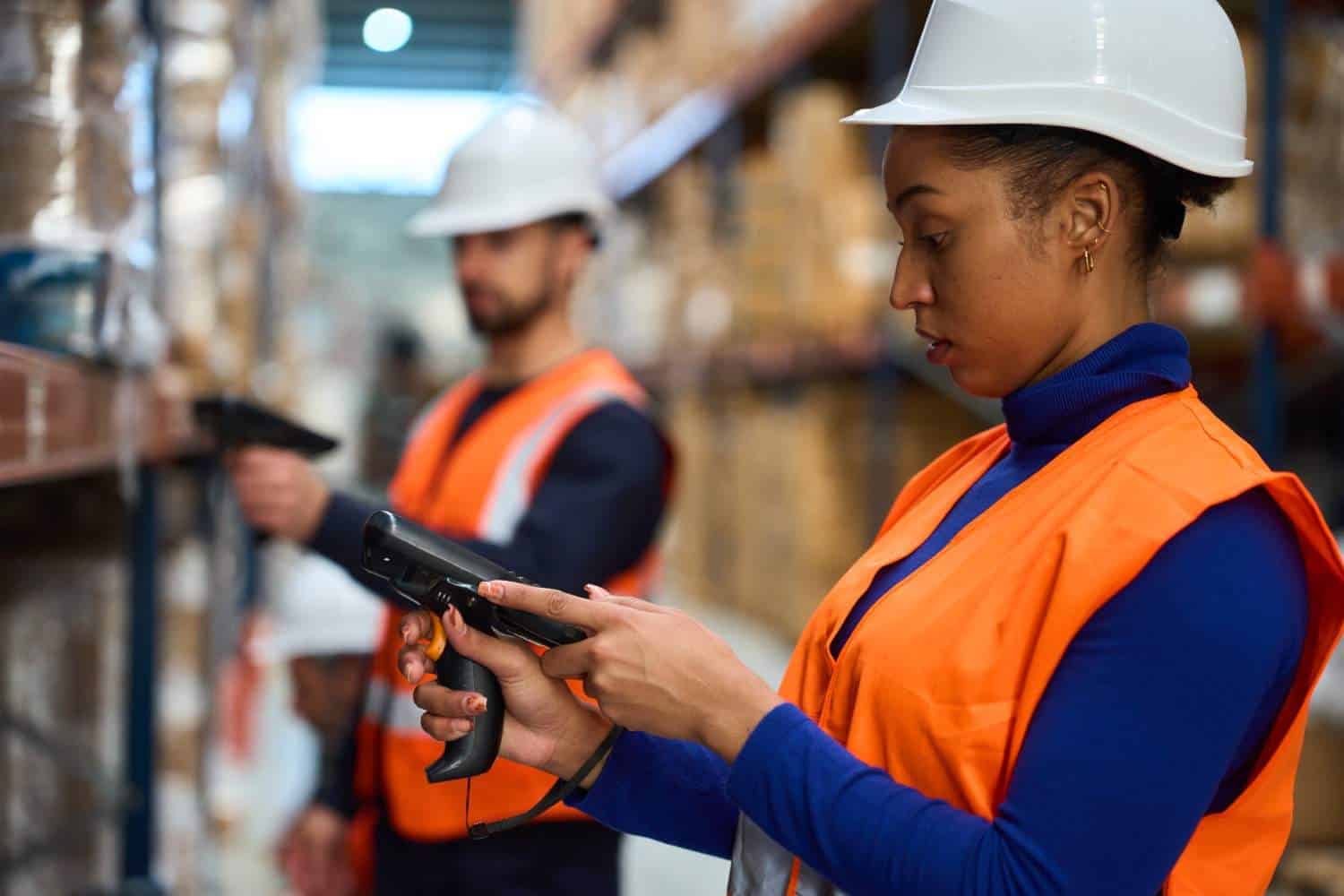
| Summary: Smartphones can read only NFC-based RFID tags at a very short range. The devices are unable to read low-frequency or UHF RFID systems, which are used for enterprise inventory and asset tracking. People develop incorrect expectations because they confuse RFID technology with NFC and Bluetooth. Real-world business operations need professional RFID readers because they enable businesses to operate at high speed and accuracy. |
People use RFID technology throughout their daily lives without being aware of its presence. The technology exists within credit and debit cards, employee access badges, transit passes, and inventory labels, as well as asset tags, which companies use in warehouses and healthcare settings. The number of RFID users continues to increase, yet both consumers and businesses keep asking the same question.
The answer to the question about smartphone RFID tag reading capacity appears straightforward at first. The widespread availability of contactless payment systems, which allow phone users to scan NFC tags, leads people to believe that phones should be able to read RFID tags. The situation presents a more complex solution than expected. Smartphones can read some types of RFID, but they cannot read all types because two categories of RFID exist with different characteristics.
People mistakenly believe that RFID and NFC technology, together with enterprise-grade RFID systems, function as identical systems. The confusion that arises between these three technologies creates incorrect expectations, invalid testing procedures, and an incorrect understanding of how RFID systems operate during their initial testing phase. The misunderstanding of smartphone abilities leads businesses to select unsuitable equipment while they fail to recognize the complete requirements needed for successful RFID system installation.
Lowry Solutions has developed RFID systems, which they design, integrate, and support throughout manufacturing operations, logistics functions, healthcare activities, and asset-heavy work environments. The experience of the company shows that understanding smartphone capabilities requires both knowledge of what smartphones can do and what they can’t do.
Understanding RFID and NFC Basics
What RFID Is
Radio Frequency Identification technology operates by using radio waves to identify and track items that have been tagged without requiring physical contact. A complete RFID system includes tags, readers, antennas, and software that turns raw reads into usable information.
People tend to neglect the fact that RFID technology functions across various frequency bands, which have been specifically developed for different applications.
RFID technology operates through different frequency bands, each of which features unique operational characteristics.
Low-frequency RFID operates at approximately 125 to 134 kilohertz. The systems operate under these conditions to handle various tasks, which include animal identification, vehicle access, and existing access control systems. The technology operates for short reading distances with low data transmission speeds, which makes it unsuitable for fast scanning of large volumes of items.
The frequency range for high-frequency RFID operations exists at 13.56 megahertz. The two systems create confusion because they operate at the same frequency, which NFC uses. Access badges, library systems, transit cards, and certain identification systems commonly utilize HF RFID technology. The system operates with short reading distances that display results in centimeters.
The frequency range for ultra-high-frequency RFID operates between 860 and 960 megahertz. The frequency range functions as the primary choice for businesses that need to track inventory and manage assets, tag retail products, and handle logistics operations. UHF RFID technology enables extended reading distances, together with rapid reading capabilities and simultaneous multiple tag reading functions.
What NFC Is
NFC (Near Field Communication) is a subset of HF RFID. It operates at the same 13.56 MHz frequency but is designed specifically for very short-range, secure interactions.
NFC is used for:
- Contactless payments
- Mobile credentials
- Identity verification
- Smart posters and consumer interactions
In enterprise environments, especially those supported by Lowry Solutions, RFID is used for:
- Inventory visibility
- Asset tracking
- Work-in-process monitoring
- Tool and equipment management
- Patient and staff tracking
Most of these applications rely on UHF RFID, not NFC.
Differences Between RFID, NFC, and Bluetooth
These technologies are often mentioned together, especially in mobile discussions, but they serve different purposes.
RFID as the Umbrella Technology
RFID includes LF, HF, and UHF technologies used for identification and tracking.
NFC as a Subset of RFID
NFC is a specialized form of HF RFID optimized for:
- Very short distances
- One-to-one interactions
- Secure data exchange
Bluetooth as a Communication Protocol
Bluetooth is not RFID. It’s a short-range wireless communication technology used for:
- Audio devices
- Sensors
- Beacons
- Data transfer between devices
Key Differences
RFID | NFC | Bluetooth | |
Frequency | LF, HF, UHF | HF only | 2.4 GHz |
Read Range | centimeters to several meters | a few centimeters | several meters |
Power Requirements | RFID tags can be passive | NFC tags are passive | Bluetooth devices require batteries |
Data Volume | small identifiers and metadata | small data exchanges | continuous data streams |
These differences are why smartphones behave very differently from enterprise RFID readers.
Can Smartphones Read RFID Tags?

The honest response to the question is yes, but it applies only to specific circumstances. Smartphones can read NFC-compatible RFID tags using built-in NFC hardware. The system operates through short-range interactions, which users initiate, while the system allows them to read only one tag at a time.
Smartphones are not designed to:
- Read tags at a distance
- Read multiple tags simultaneously
- Operate continuously in the background
- Control antenna behavior or read zones
Operating systems reinforce these limits. iOS restricts NFC access tightly to protect privacy and security. Android offers more flexibility but still depends on the same physical hardware constraints.
From an enterprise standpoint, these limitations are expected. RFID systems used by Lowry Solutions are designed to exceed smartphone capabilities because business environments demand speed, accuracy, and reliability that consumer devices are not built to provide.
What Type of RFID Tags Can Smartphones Read?
Smartphones can reliably read NFC tags, which operate at a frequency of 13.56 MHz. People commonly use these tags for payment processing, access control, and various customer-facing systems.
NFC-compatible HF RFID tags can be read together with ID badges and library system tags. The process requires users to stay close while they can scan only one tag at a time.
Smartphones cannot read these types of RFID tags:
- The access and identification systems use low-frequency RFID tags.
- Ultra-high-frequency RFID tags are used for inventory control, retail operations, and asset tracking purposes.
UHF RFID systems need special equipment that includes dedicated readers and antennas, and specific power requirements. The actual deployments of Lowry systems use UHF rfid technology because smartphones lack the necessary capabilities for enterprise tracking.
How to Read RFID Tags with a Smartphone
NFC hardware became accessible on iPhones starting with the iPhone 7 and subsequent models. The Core NFC framework developed by Apple enables applications to perform controlled NFC tag reading and writing activities. The experience is deliberate.
Users must initiate scans, and background scanning is restricted. The iPhones provide reliable validation and access, and secure transaction capabilities, which do not support continuous scanning.
Android devices provide users with more extensive NFC capabilities. Users can enable NFC at the system level, and apps can interact with tags. The ability to test and show NFC functionality makes Android an attractive choice.
Android maintains its existing restrictions despite its ability to modify system settings. The system requires external hardware for UHF and LF RFID reading. Device manufacturers create different devices, which leads to inconsistency problems that affect operational environments.
Smartphones vs Professional RFID Readers
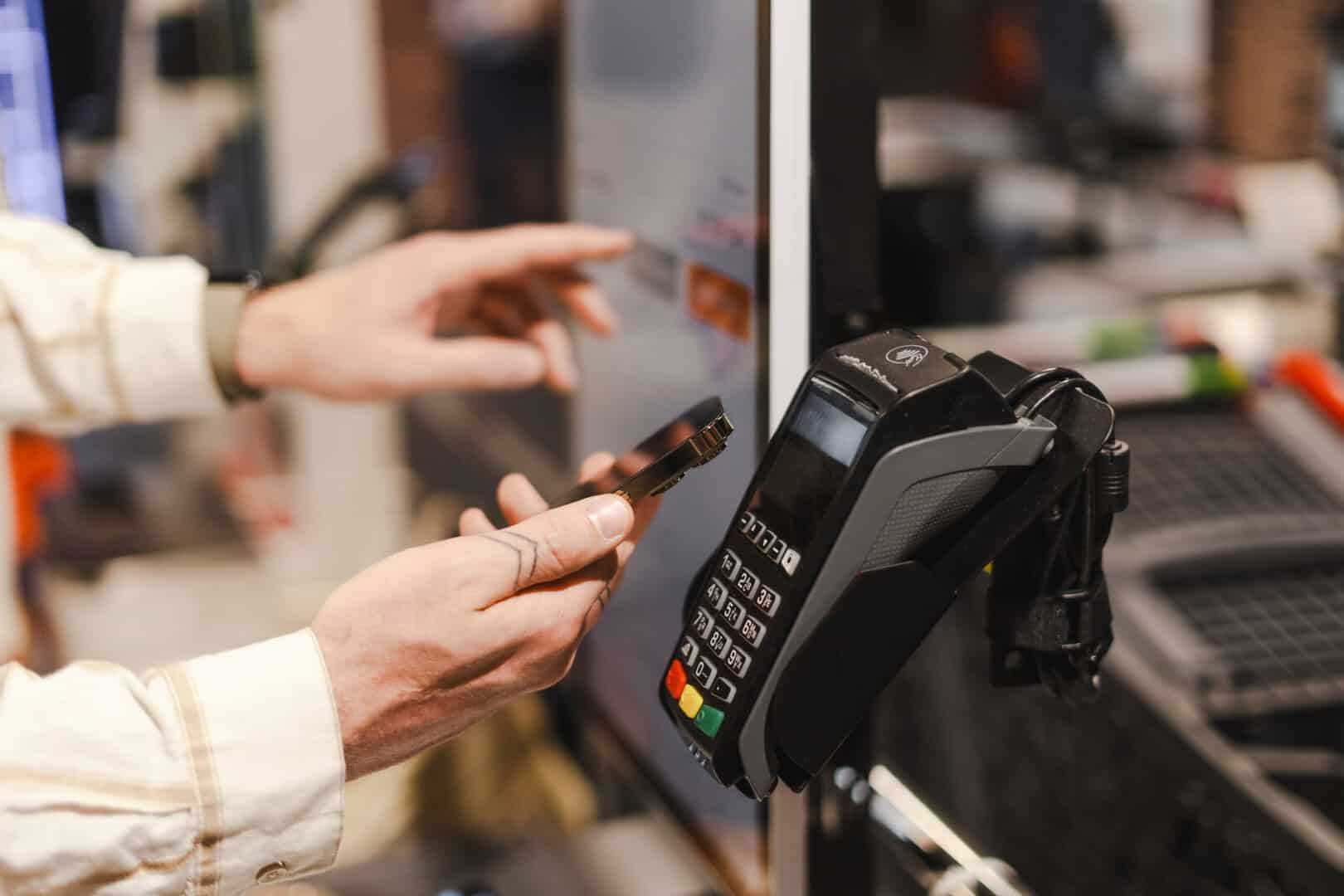
The operational performance of smartphones shows how they differ from professional RFID readers. Professional RFID readers support multiple frequencies, including UHF. The system can read tags from a distance of several feet while it processes hundreds of tags every second and operates without interruptions. Antennas provide the capability to adjust read zones, which results in decreased stray reads and improved reading precision.
Professional readers provide direct integration with enterprise systems, which include ERP and WMS, and Lowry’s Sonaria platform. The system enables organizations to perform workflows and automate processes while analyzing data that smartphones do not support. People use smartphones because of their easy-to-use nature and availability to everyone.
Professional RFID readers are designed to deliver dependable performance at large operation capacity. The difference between these two elements determines which path leads to successful outcomes and which path leads to unsuccessful outcomes in business contexts.
Practical Applications of Smartphones Reading RFID Tags
A. Contactless Payment and Access Control
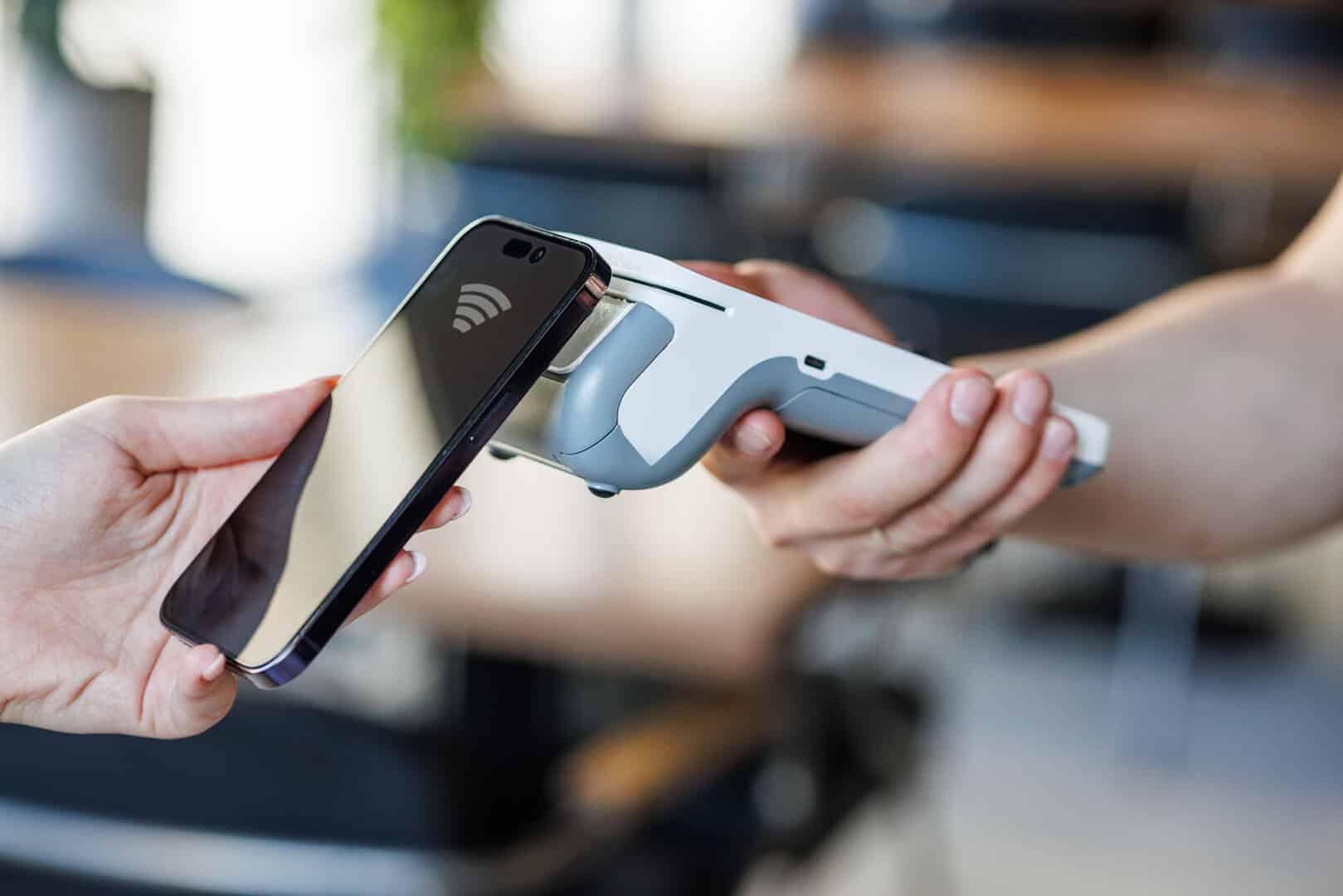
Smartphones work exceptionally well for:
- Apple Pay and Google Pay
- Mobile credentials
- Secure identity verification
These use cases are intentionally short-range and controlled.
B. Small-Scale Inventory and Asset Use
For small businesses or pilot projects:
- NFC tags may be sufficient
- Manual scanning may be acceptable
- Low volumes reduce complexity
This is where smartphones can be “good enough.”
C. Consumer and Daily Use Scenarios
Common everyday uses include:
- Smart posters
- Product information
- Home automation triggers
- Personal item identification
These scenarios align with NFC’s strengths.
Conclusion: Where Smartphone RFID Ends and Enterprise RFID Begins
Smartphones can read NFC-based RFID tags, but they operate at very limited distances and experience multiple operational constraints. The devices fail to meet performance standards required by business and industrial operations, which depend on professional RFID readers.
The organization needs to comprehend these testing limits to prevent expensive errors during its testing and deployment activities. Enterprise RFID success depends on choosing the right technology for the right job.
The organization assesses RFID applications through testing that ranges from mobile testing methods to complete enterprise-level operational deployments, which have been designed for precision and extended operational capacity.
Contact Lowry Solutions to assess whether your operations need smartphone-based RFID or enterprise RFID systems.
Frequently Asked Questions
Yes, NFC-compatible RFID tags only.
NFC is a short-range subset of HF RFID.
Android offers more flexibility, but both are limited to NFC.
No, external readers are required.
When accuracy, speed, scale, and automation matter.