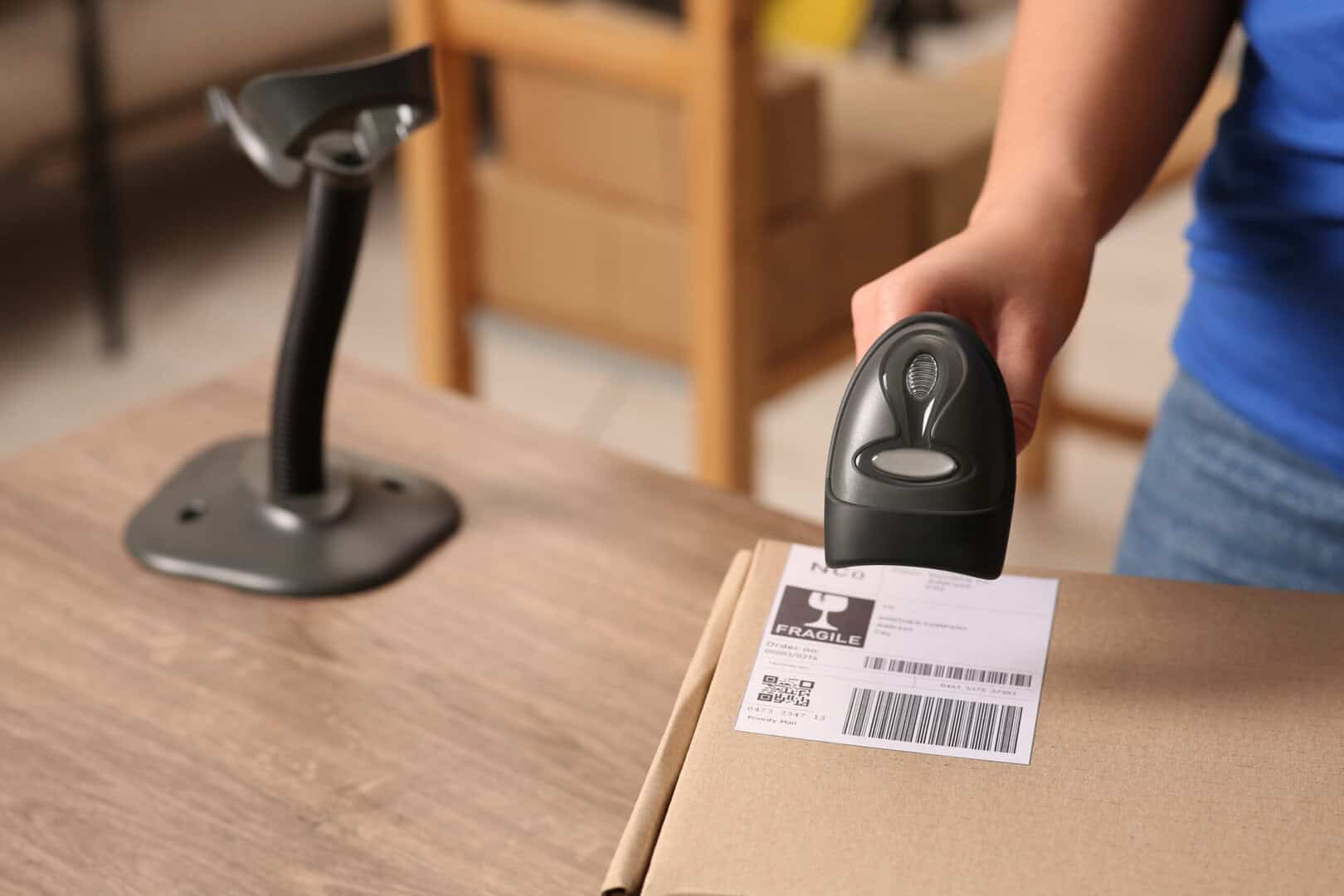
| Summary: RFID technology enables retailers to achieve precise real-time inventory tracking, which requires less manual work for inventory management. The implementation of RFID technology allows stores to operate more efficiently through its ability to enhance their inventory counting process and inventory restocking procedure while decreasing staff expenses and increasing their capacity to prevent theft. |
Retailers continue to struggle with one core problem: knowing exactly what inventory they have and where it is. Store inventory systems face challenges that arise from fast-moving stock-keeping units, continuous stock restocking, seasonal demand variation, and staff time limitations.
The traditional method of conducting inventory counts requires workers to perform manual counts and use barcode systems, which require direct sight for every scanning process. The processes create delays, which lead to operations becoming slower while the system generates incorrect information that fails to meet current standards.
The retail industry is increasingly adopting RFID technology because it enables businesses to automatically collect inventory information across their entire operations. RFID systems achieve their full potential when they operate correctly because these systems enhance inventory accuracy while decreasing labor requirements and delivering immediate stockroom and sales floor visibility.
Lowry Solutions provides retail RFID solutions through its certified hardware and established RFID integration capabilities, and the Sonaria platform, which combines RFID, barcode, and IoT information into one unified operational view.
The guide presents five main advantages that RFID offers to retail businesses. It shows how these advantages become operational benefits. The guide helps retailers assess their suitability for implementing RFID technology in their business operations.
Overview: How RFID Works in Retail
RFID operates through the attachment of tiny RFID tags to each retail product, transport package, and storage. The tag includes a distinct identifier that can be detected through radio wave technology. RFID tags provide users with an advantage because they function without needing direct visual contact between the tag and the reading device.
RFID systems allow fixed or portable readers to collect data from several products at once while the products remain packed and stored and are moved throughout the retail space.
Retail settings use RFID readers to monitor these areas:
- Backrooms
- Sales floors
- Receiving areas
- Stockrooms
- Distribution transitions
RFID technology enables near real-time inventory updates based on reader coverage and defined transition points. This system provides almost instant inventory tracking because it eliminates the need for manual product scanning.
Lowry Solutions centralizes this RFID data within the Sonaria platform, which enables integration with inventory management systems, ERP software, and POS technologies. Retailers can establish a unified reference point to access accurate information from all their operational sites and technological systems.
Top Five Benefits of RFID Technology in Retail
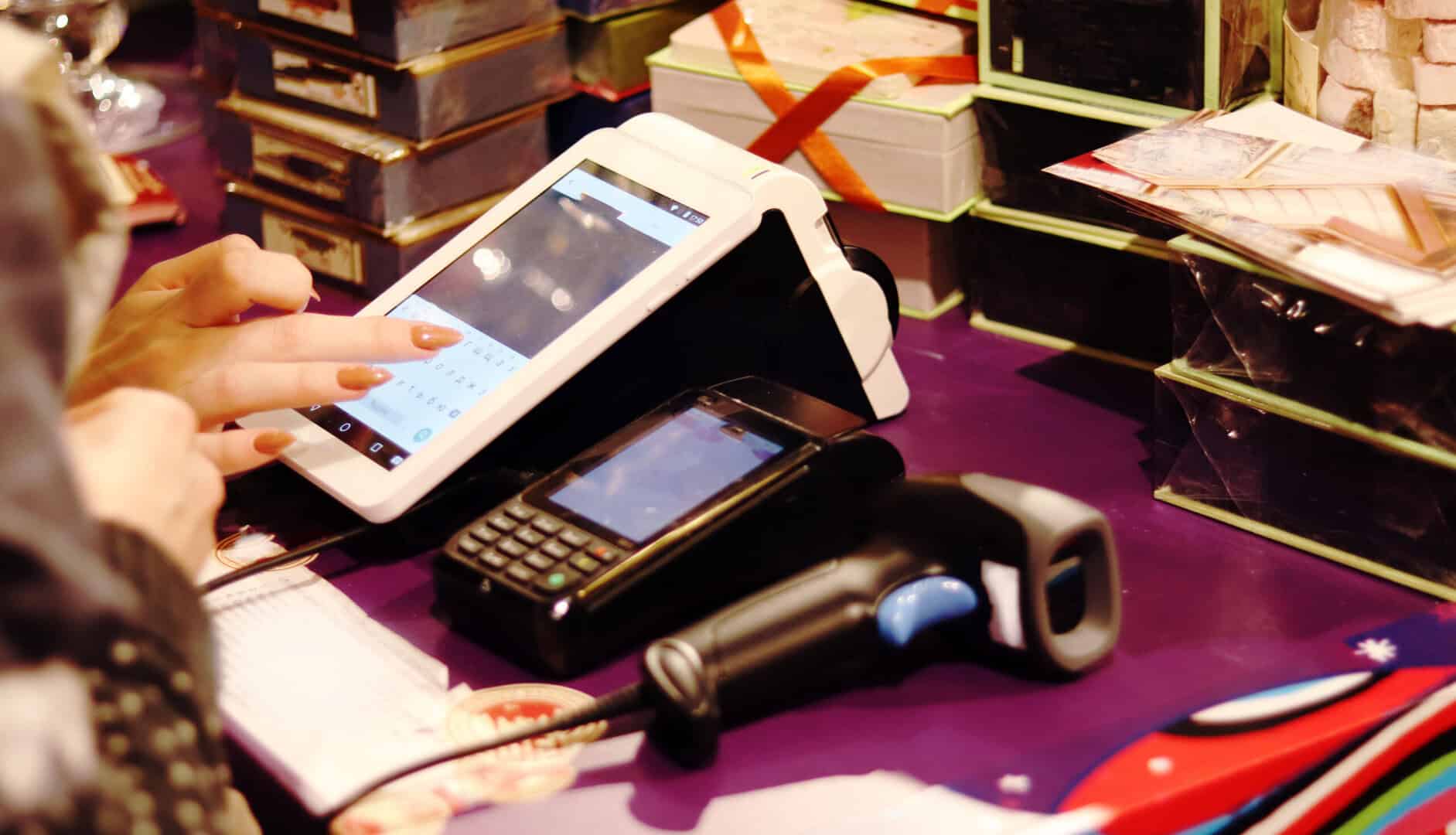
Benefit #1: Improved Inventory Accuracy
Retail Challenge
The retail industry loses sales most frequently because of incorrect inventory counts. The system shows stock availability, although actual items are lost or incorrectly stored. The process of manual counting consumes a lot of time, and organizations treat it as an option that they can choose to postpone, resulting in data that cannot be trusted.
How RFID Solves It
RFID provides automatic and nonstop inventory data collection. RFID readers can identify multiple tagged items within a timeframe of seconds instead of requiring single-item scanning. The system updates inventory records when products transfer between the backroom and sales floor, which decreases the number of unrecorded transactions and untracked movements.
Human error decreases because RFID technology does not need people to perform manual line-of-sight scanning.
Lowry Solutions Enablement
Lowry Solutions supports inventory accuracy through:
- UHF RFID tag designed for retail items
- Fixed and handheld RFID readers
- Sonaria dashboards showing real-time inventory status by location
Retail teams gain confidence that the system reflects what is physically present.
Retail Impact
- Higher inventory accuracy
- Reduced shrinkage from miscounts and misplaced items
- Improved trust in inventory data across teams
Benefit #2: Faster and More Efficient Cycle Counting
Retail Challenge
The process of traditional inventory counts creates interruptions to business operations. Stores need to close their aisles and use their workers for inventory counting during times when they normally operate. Retailers restrict their counting schedule because the process requires extensive time, which leads to a schedule of first two times and then three times per year.
How RFID Solves It
RFID technology allows businesses to conduct rapid cycle inventory checks without the need for item handling or individual item scanning. Staff members can use handheld RFID equipment to walk through store aisles and complete full inventory checks within a few minutes. The process allows for more frequent counting because it operates at high speed while maintaining operational flow.
Businesses achieve better data accuracy through additional counting sessions, which help them avoid unexpected events.
Lowry Solutions Enablement
Lowry Solutions provides:
- Handheld RFID readers optimized for retail use
- Centralized reporting through Sonaria
- Automated comparison between expected and actual inventory
This allows managers to identify discrepancies quickly and act before they impact sales.
Retail Impact
- Faster cycle counts with minimal disruption
- Reduced labor requirements
- More frequent inventory updates
Benefit #3: Better Product Availability and Replenishment
Retail Challenge
Retailers often experience out-of-stocks even when inventory systems show items as available. The products exist in three different locations, which include backroom storage, floor display, and wrong zone assignment. The associates find it difficult to perform their shelf replenishment tasks because they cannot see where items are stored.
How RFID Solves It
RFID technology enables organizations to track item movements throughout their facilities. The system uses zone-based reads to determine whether inventory exists on the sales floor or in the backroom or during movement between locations. The associates use the system to find items that need restocking and their storage locations.
The RFID system provides data that supports replenishment procedures because it delivers accurate and current information about item availability.
Lowry Solutions Enablement
Lowry Solutions supports availability and replenishment through:
- Zone-based RFID tracking
- Sonaria workflows and alerts
- Integration with inventory and replenishment systems
This creates a closed loop between inventory visibility and shelf execution.
Retail Impact
- Fewer stockouts
- Improved shelf availability
- Increased sales opportunities
Benefit #4: Reduced Labor and Operational Costs
Retail Challenge
Labor stands as the most expensive operational expense for retail businesses. Staff members waste essential work hours through their manual work of receiving, scanning, counting, and locating items. New employees require extensive training time to learn accurate inventory procedures.
How RFID Solves It
RFID technology enables automatic data collection, which decreases the requirement for staff members to perform manual scanning tasks and conduct repetitive procedures. Associates spend more time helping customers because they need to search for items. Staff members with less experience can complete inventory tasks through simplified processes, which allow them to work faster.
Lowry Solutions Enablement
Lowry Solutions enables labor efficiency through:
- RFID readers at key transition points
- Integration with mobile devices
- Centralized management and reporting through Sonaria
Operational teams gain visibility without increasing workload.
Retail Impact
- Improved staff productivity
- Lower operational overhead
- Faster onboarding and training
Benefit #5: Enhanced Loss Prevention and Traceability
Retail Challenge
Shrinkage continues to be a major problem that affects retail operations because it results from theft and misplacement, and because operational procedures are not properly executed. Store systems only offer basic tracking capabilities that show the most recent location of products, but do not provide complete movement details throughout the store.
How RFID Solves It
The RFID system establishes a tracking record that documents all movements of every tagged product. Retailers can see when and where items were last detected, helping identify loss patterns and process breakdowns. This system assists with auditing needs and investigation work, and it increases overall accountability.
Lowry Solutions Enablement
Lowry Solutions supports traceability through:
- RFID event tracking
- Sonaria reporting and analytics
- Integration with enterprise systems
This allows retailers to act on data instead of assumptions.
Retail Impact
- Better control over inventory movement
- Reduced loss and shrinkage
- Improved operational accountability
RFID vs. Barcode in Retail

Barcode Strengths
- Low cost
- Simple and familiar
- Effective for point-of-sale and item validation
RFID Strengths
- No line-of-sight required
- Bulk reading capability
- Real-time inventory visibility
Lowry’s Retail Recommendation
Most retailers benefit from a hybrid approach. Barcodes remain effective at POS, while RFID delivers visibility across inventory movement and location. Sonaria supports both technologies in a single platform, allowing retailers to choose the right tool for each workflow.
Best Practices for Retail RFID Implementation
Successful RFID deployments start with planning:
- Organizations should start their operations with pilot programs that test selected store locations and specific product categories.
- Organizations should select RFID tags that match their needs for apparel, hard goods, and packaging materials.
- The team should perform site assessments to determine optimal locations for reader installation.
- The team needs to connect RFID data with inventory management systems and point-of-sale systems.
- The organization needs to provide training for store employees on how to use RFID technology in their daily tasks.
- The team uses Sonaria analytics to evaluate accuracy and return on investment.
Conclusion: Turning RFID Into a Retail Advantage
RFID technology provides retailers with five advantages, which include better inventory accuracy, faster operations, and enhanced inventory management capabilities. The system decreases workforce requirements while it boosts product availability and strengthens security against theft when it operates according to actual business needs.
Through proper system design and effective integration methods, RFID technology transforms into an operational advantage for retailers, which extends beyond system upgrades. Lowry Solutions provides retail businesses with proper RFID system deployment through their certified hardware and integration knowledge, and the Sonaria platform, which delivers complete system visibility.
Contact Lowry Solutions to assess RFID technology for your store operations, which will enhance your inventory tracking accuracy and overall inventory management efficiency.
Frequently Asked Questions
RFID is best suited for medium to high-volume retail environments where inventory movement and accuracy are critical.
RFID typically delivers higher accuracy due to automated, bulk data capture.
Yes. Many retailers use RFID for inventory visibility and barcodes for POS.
Sonaria centralizes RFID, barcode, and IoT data into one operational platform.
Most retailers start with a small pilot, test accuracy and ROI, then scale RFID gradually across stores and categories once results are proven.

A Horizons Talent Alumnus and Microsoft Certified Systems Engineer (MCSE), the author brings a proven track record of success in senior shared-services leadership roles within large, complex multinational organizations, particularly in the manufacturing sector.
With deep experience at Senior Manager level, they have led strategic customer relationships by understanding core business imperatives, shaping service and solution propositions, and delivering measurable business outcomes.