Datamax-O’Neil Introduces ChemShield, a Chemical Drum Labeling Solution
The company’s extensive line of drum labels address the compliant-driven requirements of hazardous material labeling applications
Orlando, FL – February 28, 2013 – Datamax-O’Neil, a global provider of industrial grade label and receipt printing solutions, announces the availability of ChemShield, an extensive portfolio of chemical drum labels that meet internationally recognized standards for durability and environmental resistance. Drums and containers used to transport petroleum, paint, liquid and power chemicals must be designed to meet extreme conditions, and the labels which identify content, warnings and safety instructions must meet similar requirements.
Datamax-O’Neil’s range of chemical drum labels is designed for both thermal transfer and laser printing applications. All labels are BS5609 Section 2 and Section 3 certified, ensuring compliance with the internationally recognized British Maritime standard for abrasion resistance, print permanence, and overall image durability. For organizations leveraging technology in their operations, integrating these high-quality labels with mobile device management solutions can streamline tracking, scanning, and inventory processes, enhancing efficiency and reliability across the supply chain.
“Datamax-O’Neil’s drum label materials have been extensively tested for print image acceptance, durability and retention so that customers can be assured they will meet the rigorous compliance standards that are required of labels used to transport chemical drums and containers,” said Ann Iten, senior product manager for Datamax-O’Neil. “Non-compliance can result in hefty fines and more importantly, can be extremely dangerous due to toxicity factors. Labels for these drums and containers must be resilient to extreme environmental conditions and be readable for many years.”
In addition to the ChemShield label solution, Datamax-O’Neil offers a variety of compatible printers, both stationary and portable, that meet the various chemical drum labeling requirements.
Meeting the Demands of Hazardous Material Labeling
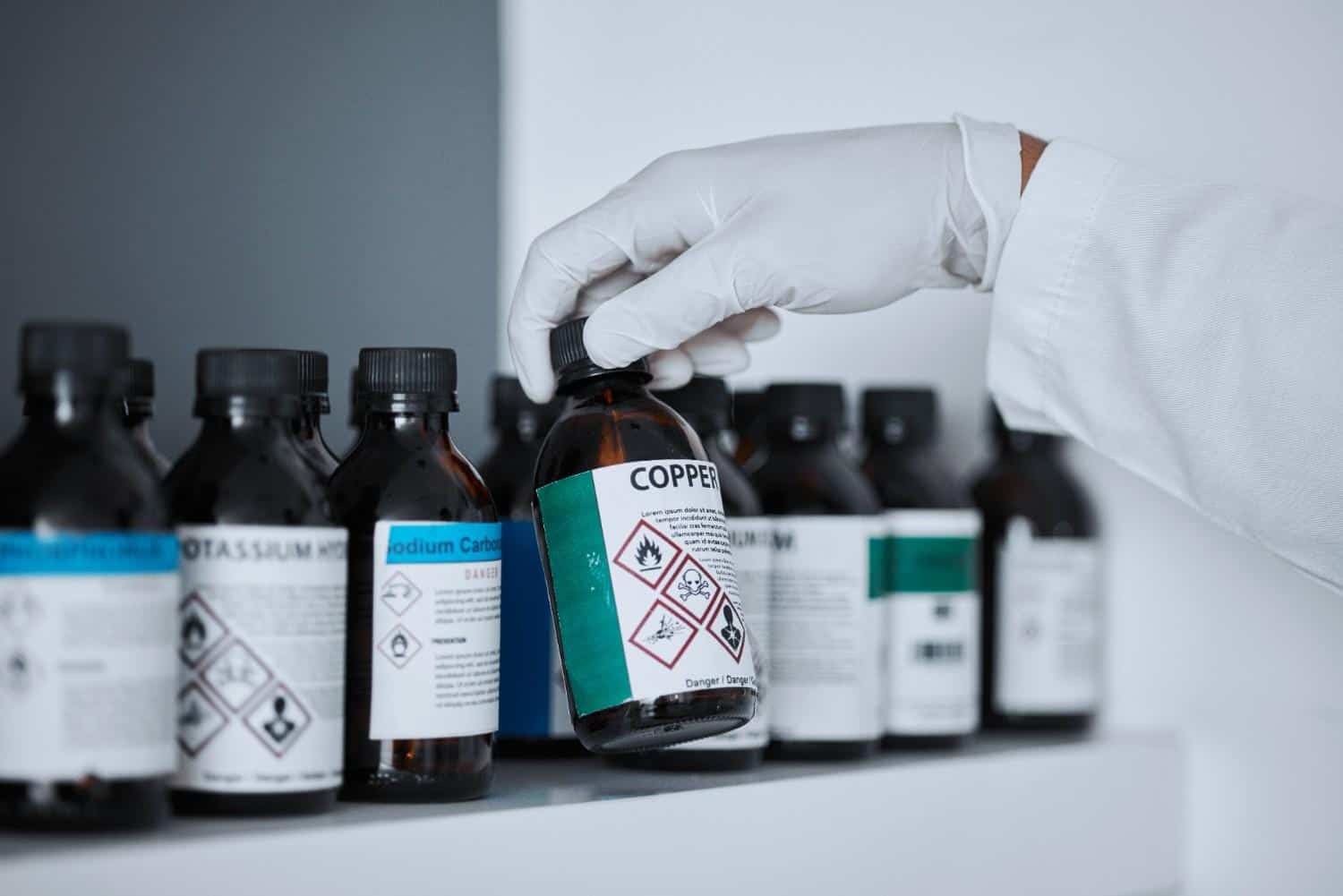
Organizations involved in the production, storage, transportation, and distribution of hazardous materials face strict labeling requirements. Chemical drums and containers must display accurate information regarding product contents, handling instructions, hazard classifications, and safety precautions. These labels serve as a critical communication tool throughout the supply chain, helping protect workers, transportation personnel, emergency responders, and the environment.
Because chemical products are often exposed to challenging operating conditions, labels must remain intact and legible throughout the lifecycle of the container. Exposure to moisture, chemicals, abrasion, ultraviolet light, temperature fluctuations, and outdoor storage conditions can quickly degrade standard labels, creating compliance and safety concerns.
The ChemShield labeling solution was developed to address these challenges by providing durable, compliance-focused labeling materials designed specifically for chemical drum applications.
The Importance of Durable Chemical Drum Labels
Chemical labels do much more than identify a product. They communicate information that is essential for safe handling and regulatory compliance.
Typical label information may include:
- Product identification
- Hazard classifications
- Safety warnings
- Handling instructions
- Storage requirements
- Transportation information
- Regulatory markings
- Emergency contact details
- Tracking and traceability data
If labels become damaged, faded, or unreadable, organizations may face operational disruptions, compliance issues, shipment delays, or safety risks.
Maintaining label integrity throughout transportation and storage is essential for ensuring that critical information remains accessible whenever needed.
Addressing Compliance Requirements
Hazardous material transportation is governed by a variety of regulations designed to ensure safe handling and movement of potentially dangerous substances.
Compliance requirements often extend beyond the contents of a label to include label durability, adhesion, readability, and resistance to environmental conditions.
ChemShield labels are designed to help organizations support compliance initiatives by providing materials tested for demanding industrial environments.
Compliance-focused labeling can help organizations:
- Improve regulatory adherence
- Support safe transportation practices
- Reduce labeling failures
- Maintain consistent identification standards
- Minimize compliance-related risks
By implementing labeling solutions specifically engineered for hazardous material applications, businesses can strengthen their overall compliance strategy.
BS5609 Certification and Its Significance
One of the key attributes of the ChemShield solution is its BS5609 Section 2 and Section 3 certification.
BS5609 is an internationally recognized standard that evaluates the performance of labels used in marine environments and hazardous material transportation. The standard measures a label’s ability to withstand prolonged exposure to harsh environmental conditions while maintaining readability and adhesion.
Testing criteria may include:
- Saltwater immersion
- Abrasion resistance
- Print permanence
- Adhesive performance
- Environmental durability
Achieving BS5609 certification demonstrates that labels can continue performing under conditions commonly encountered during international shipping and long-term outdoor exposure.
For organizations involved in chemical transportation, certification provides additional confidence that labeling materials are capable of supporting operational and compliance requirements.
Designed for Harsh Environmental Conditions
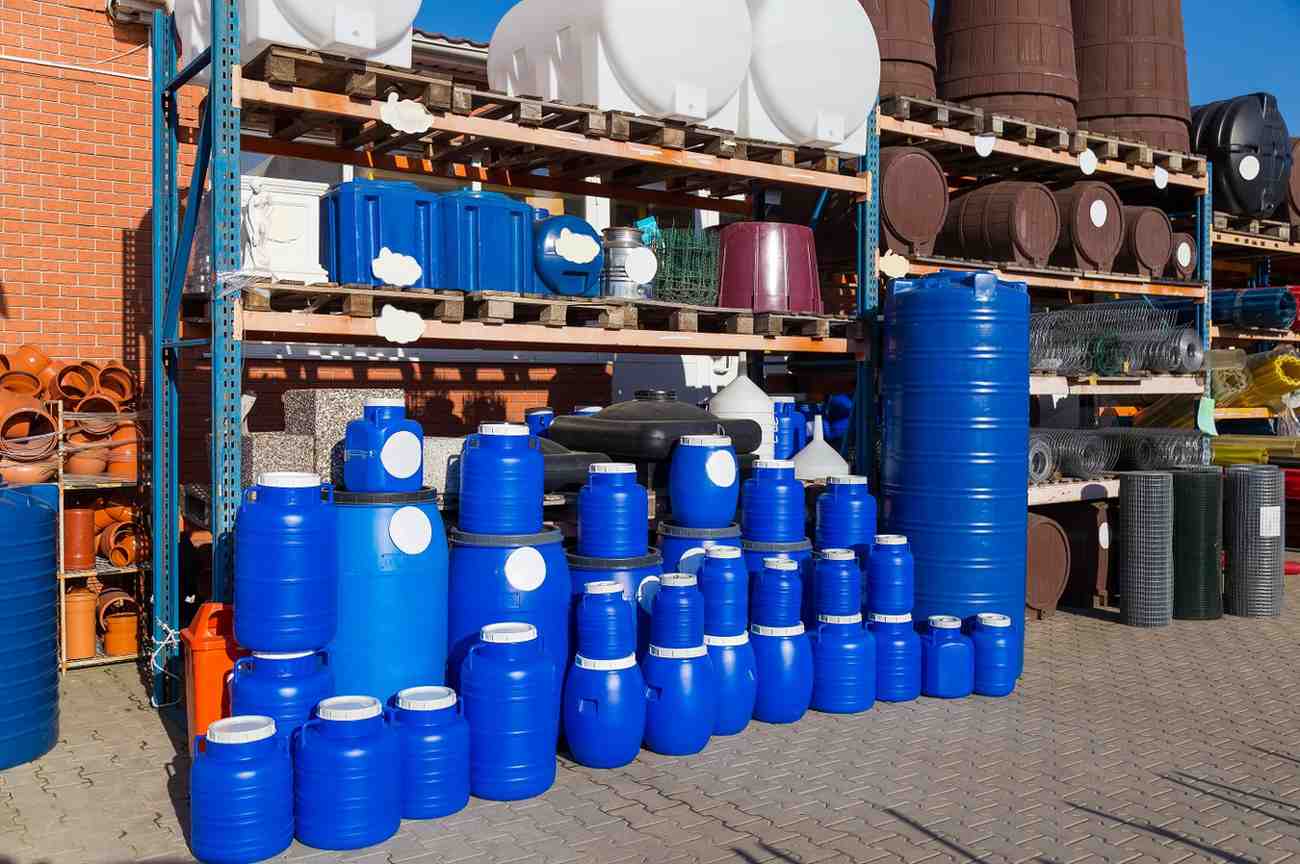
Chemical drums frequently move through demanding environments before reaching their final destination.
During transportation and storage, labels may be exposed to:
- Rain and moisture
- Extreme temperatures
- Direct sunlight
- Industrial chemicals
- Physical abrasion
- Dirt and contaminants
- Rough handling
- Long-term outdoor storage
Traditional labeling materials often struggle to maintain readability under these conditions. ChemShield labels are designed to provide enhanced durability, helping ensure critical information remains visible throughout the supply chain.
This durability can be particularly important for organizations managing long transportation routes, international shipments, or extended storage periods.
Supporting Safety Throughout the Supply Chain
Among the main reasons to keep hazardous material labeling with good quality, safety is still at the top.
Workers use the written material and labels to identify hazards present in some constitutive substance. Transportation personnel follow specific procedures using labels to handle the packages properly. When responding to incidents that involve chemical products, emergency responders rely on accurate information on labels.
Use clear and durable labels to help support:
- Workplace safety initiatives
- Proper material handling
- Emergency response preparedness
- Hazard communication programs
- Regulatory compliance efforts
Legible and firmly affixed labels help organizations reduce risk and minimize misidentification, resulting in improved safety performance.
Compatibility with Thermal Transfer and Laser Printing
Different organizations utilize different printing technologies based on operational requirements, production volumes, and existing infrastructure.
ChemShield labels are designed to support both:
- Thermal transfer printing
- Laser printing applications
This flexibility allows businesses to implement durable labeling solutions without requiring significant changes to their current printing environment.
Organizations can continue leveraging existing workflows while benefiting from labeling materials engineered for demanding chemical applications.
The ability to support multiple printing technologies also provides greater deployment flexibility across facilities with varying operational needs.
Improving Traceability and Inventory Accuracy
Chemical manufacturers and distributors increasingly rely on automated tracking systems to improve visibility and operational control.
Labels often serve as the foundation for:
- Barcode tracking
- Inventory management
- Asset identification
- Shipping verification
- Warehouse operations
- Regulatory reporting
When barcode labels remain readable throughout transportation and storage, organizations can maintain more accurate operational data and improve supply chain visibility.
Durable labeling supports efficient scanning and data capture, helping reduce manual processes and minimize tracking errors.
Supporting Modern Supply Chain Operations
Supply chains have become increasingly complex, requiring greater visibility and accuracy across every stage of product movement.
Reliable labeling contributes to:
- Inventory accuracy
- Shipment verification
- Product traceability
- Warehouse efficiency
- Transportation visibility
- Compliance reporting
Organizations that depend on automated identification technologies require labeling materials capable of performing consistently under real-world conditions.
By providing durable, high-performance labels, ChemShield supports the operational requirements of modern supply chain environments.
Integrating with Mobile and Tracking Technologies
Many organizations use mobile computing and scanning technologies to manage inventory, shipments, and compliance processes.
Chemical drum labels are often scanned using:
- Barcode scanners
- Rugged handheld computers
- Mobile computers
- Warehouse management systems
- Asset tracking platforms
When labels maintain print quality and readability, these technologies can operate more effectively and accurately.
High-quality labeling materials help ensure that tracking systems continue to provide reliable data throughout the movement of chemical products.
This improved visibility supports operational efficiency while helping organizations maintain accurate records and reporting.
Reducing Label Replacement and Maintenance Costs
Label failures can create significant operational challenges. Replacing damaged labels often requires additional labor, administrative effort, and potential shipment delays.
Durable labeling materials can help organizations reduce costs associated with:
- Label replacement
- Product relabeling
- Compliance corrections
- Shipment delays
- Inventory discrepancies
- Manual inspections
By investing in labels designed for demanding environments, businesses can improve long-term operational efficiency while reducing maintenance requirements.
Supporting a Wide Range of Chemical Applications
Chemical products vary significantly in composition, handling requirements, and transportation conditions. A labeling solution must be versatile enough to support diverse operational environments.
ChemShield labels are suitable for applications involving:
- Petroleum products
- Industrial chemicals
- Paints and coatings
- Cleaning agents
- Liquid chemicals
- Specialty chemical products
- Manufacturing materials
- Energy and power-related chemicals
This broad applicability allows organizations to standardize labeling processes across multiple product categories while maintaining compliance and durability requirements.
Complete Labeling Solutions for Chemical Operations
In addition to durable labeling materials, organizations require reliable printing technologies capable of producing consistent, high-quality labels.
Datamax-O’Neil offers a range of compatible printing solutions designed to support chemical labeling operations, including both stationary and portable printing systems.
These solutions can help organizations:
- Print labels on demand
- Support warehouse operations
- Improve labeling flexibility
- Reduce labeling delays
- Enhance workflow efficiency
Combining durable labels with reliable printing technology creates a comprehensive approach to chemical drum labeling and identification.
Supporting Long-Term Compliance and Operational Performance
Organizations must maintain labeling systems that are robust enough to meet compliance, safety, and operational goals, as regulatory requirements constantly change. At all, label durability is an important consideration to ensure hazardous material information is available for the duration of transport, storage, and handling activities.
The ChemShield labeling solution meets these demands with environment-resistant, permanent printed labels that withstand the test of time. ChemShield enables organizations to ensure compliance while enhancing safety and operational reliability with BS5609-certified materials, compatibility with a range of printing technologies, and suitability for harsh industrial environments.
Whether your company produces, stores, transports, and distributes chemicals, durable labeling solutions are more than a regulatory requirement; they’re vital to supply chain management, workplace safety, and long-term success of the business.

A Horizons Talent Alumnus and Microsoft Certified Systems Engineer (MCSE), the author brings a proven track record of success in senior shared-services leadership roles within large, complex multinational organizations, particularly in the manufacturing sector.
With deep experience at Senior Manager level, they have led strategic customer relationships by understanding core business imperatives, shaping service and solution propositions, and delivering measurable business outcomes.