
| Summary: RFID cards function as contactless smart cards that modern access control systems use to improve their security and operational efficiency. The system allows for rapid entry through unique identification, which replaces traditional keys and PIN codes. The system offers real-time access monitoring and expandable security controls through its software integration, which allows organizations to handle access control while minimizing risks and enhancing their operational monitoring capabilities. |
Access control used to be simple—lock doors, issue keys, and limit entry.
The previous model has become ineffective.
Modern organizations operate across multiple sites, which requires them to manage larger teams while securing sensitive assets and data. Access control has transformed into a system that enables organizations to protect their assets while gaining complete oversight over their operations.
The challenges are growing:
- Unauthorized access is harder to track and prevent
- Manual security processes slow things down
- There’s little to no visibility into who is entering or leaving
The traditional systems that use keys and PINs for security protection have proven to be inadequate. The security system allows key duplication because users can share their PINs with others who can access the premises without any tracking system. The organization takes a passive approach when dealing with problems, which leads to slow response times for all emergencies.
Modern businesses require they implement contactless access systems together with their need for continuous access monitoring and their need for automated systems, which will enhance operational performance. The global radio frequency identification (RFID) technology market was valued at USD 20.10 billion in 2024 and is projected to reach USD 47.63 billion by 2030, growing at a CAGR of 15.8%. This rapid growth highlights how organizations are shifting toward smarter, data-driven access control solutions.
RFID-based access control systems provide solutions to these requirements. The system offers a complete solution that unites access management with operational performance data. The system helps organizations to achieve better security through real-time security monitoring and enhanced decision-making processes.
What is an RFID Card? Understanding the Basics
An RFID card is a contactless smart card that uses radio frequency signals to communicate with a reader.
There’s no swiping, no inserting, no physical contact. You simply tap or bring the card close to a reader, and the system handles the rest.
Inside the card are two essential components:
- A microchip that stores a unique ID
- An antenna that transmits that data
That’s what makes RFID cards powerful—they act as digital identities.
Compared to traditional access methods, the difference is immediate. You don’t just grant access—you capture data every time access is requested.
And that’s where the real value begins.
In a real-world setup, RFID cards are part of a connected system that includes:
- RFID readers installed at access points
- Access control software that manages permissions
- Identity systems that define user roles
Lowry Solutions focuses on this full ecosystem. The card itself is just one piece. The real impact comes from how everything works together to create a connected, intelligent access control system.
How Does RFID Work in Access Control Systems

An RFID card appears to offer easy operation from its first visual appearance. The rapid tap creates a system that executes its operations with both speed and secure protection.
The process operates according to these specific steps.
A user approaches the RFID card to a nearby reader. The reader produces a radio signal, which triggers the card activation process. The card sends its stored data back to the reader, which contains a unique identification number for identification purposes. The access control system immediately receives this data, which it uses to compare against the database of approved users.
The system allows entry when the credentials match. The system prevents entry when the credentials do not match.
The entire process completes within one second.
RFID systems use various frequency ranges for their different operational needs because they function through distinct usage scenarios.
- LF (Low Frequency): Short-range, basic access
- HF (High Frequency): Common for secure access cards
- UHF (Ultra-High Frequency): Longer range, often used beyond doors (like tracking)
Multiple security layers exist in systems. Card access proves sufficient in certain environments. The situation demands two-step verification, which combines a PIN with a fingerprint scan, for others. Organizations establish multiple security levels to protect particular areas or professional responsibilities.
Lowry believes that RFID access control provides businesses with their most significant benefit because it enables real-time tracking of all access events. The system transforms each entry attempt into a data point, which enables organizations to create precise facility movement records.
Types of RFID Cards Used in Access Control
Different RFID card types exist, and users must select their required type based on their planned system operations.
The most common option is the passive RFID card. The cards operate without batteries because they obtain power through the reader’s scanning signal. The system provides access control through its cost-effective and durable solution, which has become the standard choice for most organizations.
Active RFID cards operate with their own internal batteries. The cards enable long-distance signal transmission, which makes them suitable for use in areas that require extended operational range.
Users prefer passive cards for access control systems because they deliver optimal system performance and dependable operation at economical costs. Lowry Solutions assists organizations in determining their requirements for single or multiple site operations to choose appropriate card types that match their security needs, reading distance requirements, and operational objectives.
Benefits of RFID Cards in Access Control Systems
The transition to RFID access control brings more than just better security. The system shows measurable betterment in security and operational efficiency, and operational performance.
Enhanced Security
RFID cards contain specific identifiers that make it extremely difficult to create duplicate copies of the card. The system allows for central control of access rights while enabling organizations to implement additional security measures at their convenience. The system allows users to deactivate lost cards instantly without needing to change lock systems or get new keys.
Contactless and Fast Access
RFID cards provide users with instant access to facilities without any waiting period. The system allows users to access their items without needing to handle physical keys or memorize numerical codes. The system proves useful for areas with high visitor volumes because it helps to maintain smooth operation during busy times.
Real-Time Monitoring and Visibility
The system documents each instance of access to the facility. Organizations can see exactly who entered a facility, when they entered, and which areas they accessed. The system presents complete information, which helps security personnel make better decisions while making it easier to comply with regulations.
Scalability
Organizations require access control systems that can expand to match their increasing size. The RFID system enables organizations to add new employees and change existing access rights while easily expanding their operations to different sites without major interruptions.
Reduced Operational Costs
Organizations need to spend many hours and dollars to handle their physical key inventory. The RFID system enables organizations to manage their operations more efficiently while decreasing work requirements and protecting against expensive security breaches.
Lowry Solutions creates centralized platforms that collect all access information from different locations into a single repository. The system enables organizations to progress beyond their entry-level security systems into advanced data-driven operational enhancements.
Role of Software and Integration in Access Control
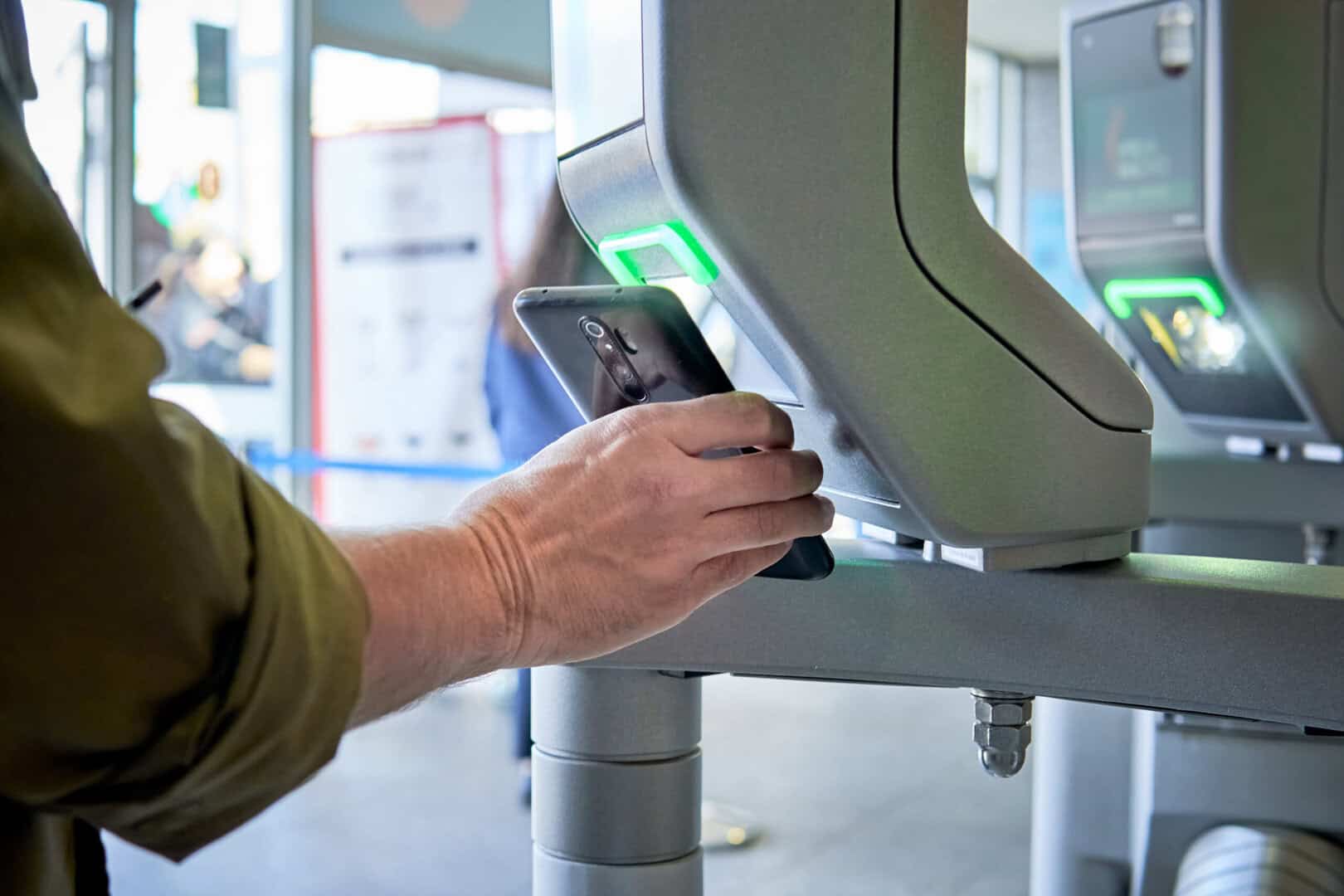
RFID cards handle the physical interaction. Software is what turns that interaction into something meaningful.
A centralized platform allows you to:
- Manage user access
- Monitor activity in real time
- Generate reports and insights
- Receive alerts for unusual behavior
But the real impact comes from integration.
Modern access control systems can connect with:
- ERP systems
- Workforce management tools
- Security and surveillance systems
This creates a connected environment where data flows across systems instead of staying isolated.
Lowry Solutions takes this further by integrating RFID with IoT and asset tracking into a single platform like Sonaria.
Instead of just controlling access, you start connecting access data with operations.
Challenges and Considerations
RFID access control systems, like all technologies, face various operational challenges. The improper management of cards leads to the possibility of loss or unauthorized use. Organizations with existing infrastructure face challenges because system integration becomes more difficult. The initial setup expenses represent an important factor to evaluate.
The improper configuration of systems introduces security vulnerabilities to the organization.
The right strategies provide a solution to these existing challenges. Multi-factor authentication creates an additional security barrier that protects systems. The role-based access system restricts user access to necessary information. The process of regular audits enables organizations to detect and fix their security weaknesses.
Lowry Solutions partners with organizations to create secure, scalable systems that meet industry standards while delivering maximum value and reducing operational risks.
Why RFID Access Control Requires a Strategic Approach
This is where many organizations get it wrong.
They treat RFID as a simple upgrade—replace keys with cards and move on.
But access control is deeply connected to how your business operates.
It needs to align with:
- Security policies
- IT infrastructure
- Daily workflows
Without that alignment, even the best technology falls short.
Lowry Solutions approaches access control as a complete system—combining hardware, software, and integration into a solution that actually supports the business.
Future Trends in RFID Access Control
The development of access control technology keeps progressing through ongoing changes.
Mobile-based access is becoming more common, allowing users to replace cards with smartphones. The security of systems is being improved through the combination of biometric systems with RFID technology. Cloud-based platforms enable organizations to operate their systems with greater control and improved operational flexibility.
New opportunities emerge through the integration of Internet of Things (IoT) devices and smart building technologies. Access control systems now operate within a connected system that enables instant communication and active response to events.
The future of access control moves beyond basic security requirements because it will include intelligent systems and automated processes.
Conclusion
Organizations have adopted RFID cards as their new standard for access control management. The system enables secure entry control through contactless technology while simultaneously tracking all movements throughout the entire facility.
The actual benefits that RFID access control systems offer to organizations depend on their operational execution and system integration methods. Organizations that adopt the correct security framework will create operational systems that provide both security protection and efficiency gains, performance tracking, and sustainable organizational development.
Lowry Solutions enables organizations to achieve their goals through complete system implementation, which includes smooth system integration and future-ready, scalable solution development.
Facility security can be improved by implementing RFID-based access control systems. Lowry Solutions will assist you in creating a complete access management system that includes security features, scalable capabilities, and system integration.
Fequently Asked Questions
An RFID card functions as a contactless card that uses radio signals to transmit information between itself and a reader, which enables user access without any physical connection.
Yes. The security of these systems exceeds that of conventional security methods, while users can strengthen protection through additional security measures like PINs and biometric authentication.
The systems enable users to establish connections between their networks and enterprise security platforms, which operate their operational tools through a single system connection.
The manufacturing, healthcare, logistics, retail, and government sectors implement RFID technology to achieve secure and efficient access management systems.
Lowry Solutions delivers complete access control system support through its services, which include system design and hardware installation.

A Horizons Talent Alumnus and Microsoft Certified Systems Engineer (MCSE), the author brings a proven track record of success in senior shared-services leadership roles within large, complex multinational organizations, particularly in the manufacturing sector.
With deep experience at Senior Manager level, they have led strategic customer relationships by understanding core business imperatives, shaping service and solution propositions, and delivering measurable business outcomes.