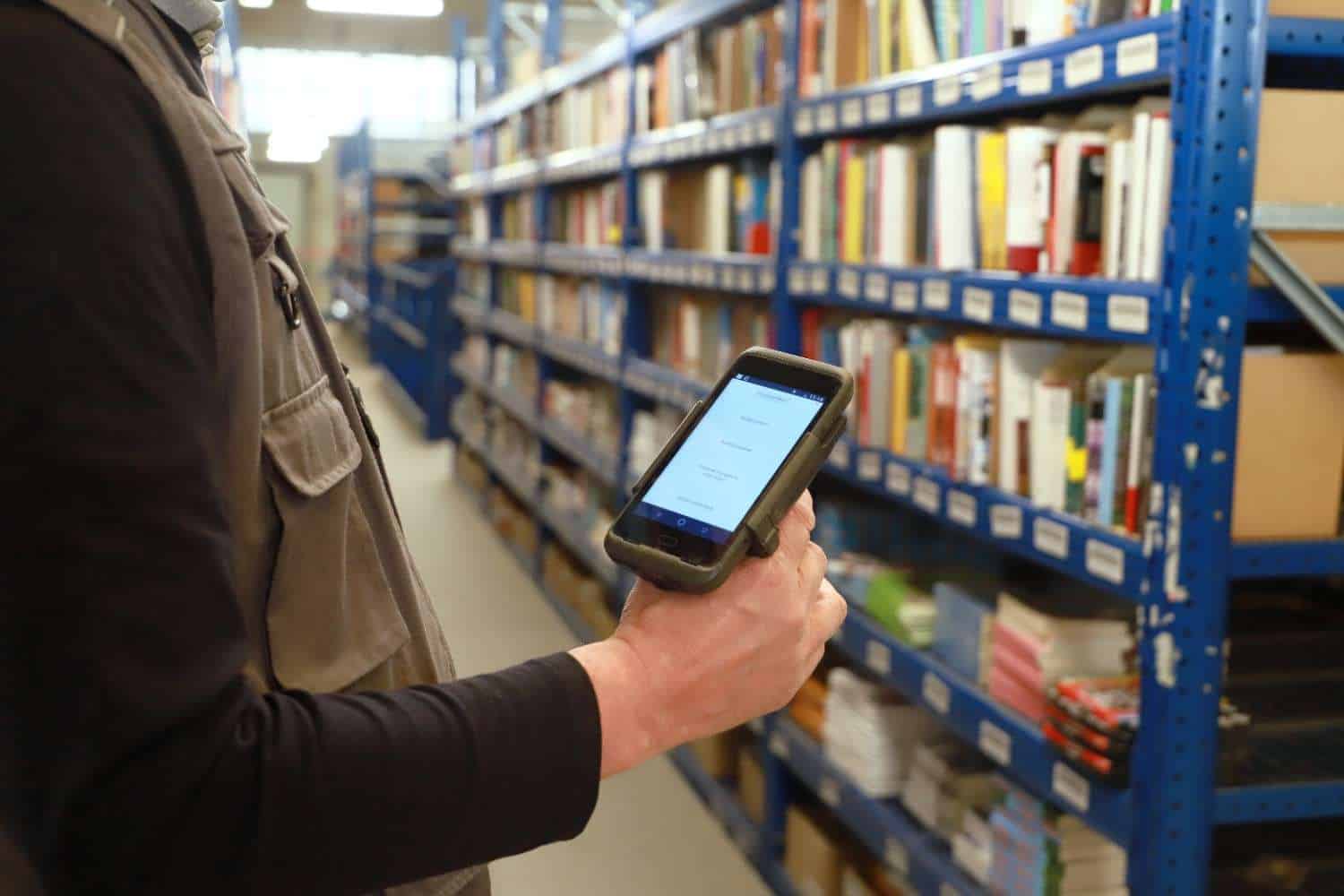
The rapidly evolving world of warehouse technology offers a wide range of solutions designed to boost efficiency and reduce losses—from smarter ways of organizing product data to advanced tools for tracking shipments. Whether your goal is to completely re-engineer your warehouse or simply fine-tune everyday operations, adopting the right innovations can make a significant difference. Among the most impactful advancements are mobile device management solutions, which help streamline the use of handheld devices across warehouse teams, ensuring secure, efficient, and coordinated workflows. Alongside these, here are three key warehouse technology developments that could take your operations to the next level.
- Voice picking – This hands-free technology allows pickers to receive clear instructions as they work and to move quickly and efficiently between tasks. Associates using this warehouse technology are in constant communication with the system, which validates their actions by voice and gives feedback to keep them on track.
Why your warehouse needs it:
- Increased accuracy: Without lag time and distractions caused by paper lists or scanners, voice picking can help DCs achieve 99.99 percent picking accuracy.
- No learning curve: New users can typically master voice picking technology in less than a week. Less training time means lower costs associated with training new employees. This is especially good news for DCs that rely largely on seasonal or temporary workers.
- Employee approved: Workers have expressed immense satisfaction with voice picking technology, noting how easy it is to use and how much safer they feel by being more aware of their surroundings.
- Radio Frequency Identification (RFID) – With this technology, mass amounts of product and shipment data come together in one simple, wireless operation. With RFID systems, read-write equipment is installed at the entry of a warehouse, and shipments are equipped with RFID tags. All of the information stored in the tags is transmitted to a central computer in the warehouse.
Why your warehouse needs it:
- Hands off: Using this warehouse technology means no more manually scanning individual items. Unlike barcodes, RFID warehouse tracking systems do not require a line of sight to be read. RFID readers can be set to automatically monitor all movements that happen in storage areas, shelves, or container yards.
- Know more: RFID tags can hold far more information than barcode labels. The tags store knowledge about the status of your assets, as well as machine repair and maintenance.
- Multitasking: Multiple RFID tags can be scanned at the same time, and all data is automatically sent to the warehouse’s central computer.
- Security: RFID systems can be set up to monitor business activity and send alerts if items are moved after hours or transaction volume is abnormal.
- Advance ship notice (ASN) –
Knowing exactly what to expect at your warehouse door on a delivery day will save you time and money. An ASN is an electronic document that notifies a warehouse of upcoming deliveries. Like a packing list, an ASN provides detailed information about the shipment’s contents, order information, packaging type, carrier information, and more—making it easier to track items when paired with tools like an RFID scanner.
Why your warehouse needs it:
- Scheduling solution: When you know an order’s exact shipment location and expected arrival date, planning marketing activities, production schedules, and customer deliveries becomes easier. You’ll know precisely which employees you’ll need and when you need them with the ASN’s detailed timetable.
- Monitored accuracy: Since you’ll know in advance exactly what to expect in a shipment, you’ll know right when it arrives if something is missing or incorrect.
- Global compatibility: All ASN label standards are global, alleviating risks of confusion from international suppliers. The standards also apply throughout the entire supply chain, from the raw materials supplier through the end retailer.
In today’s competitive environment, many businesses are leaning on technology to automate their distribution operations. Keeping up with the changing landscape of warehouse management systems will ensure that your business remains competitive and profitable.
Building a Smarter Warehouse with Connected Technologies
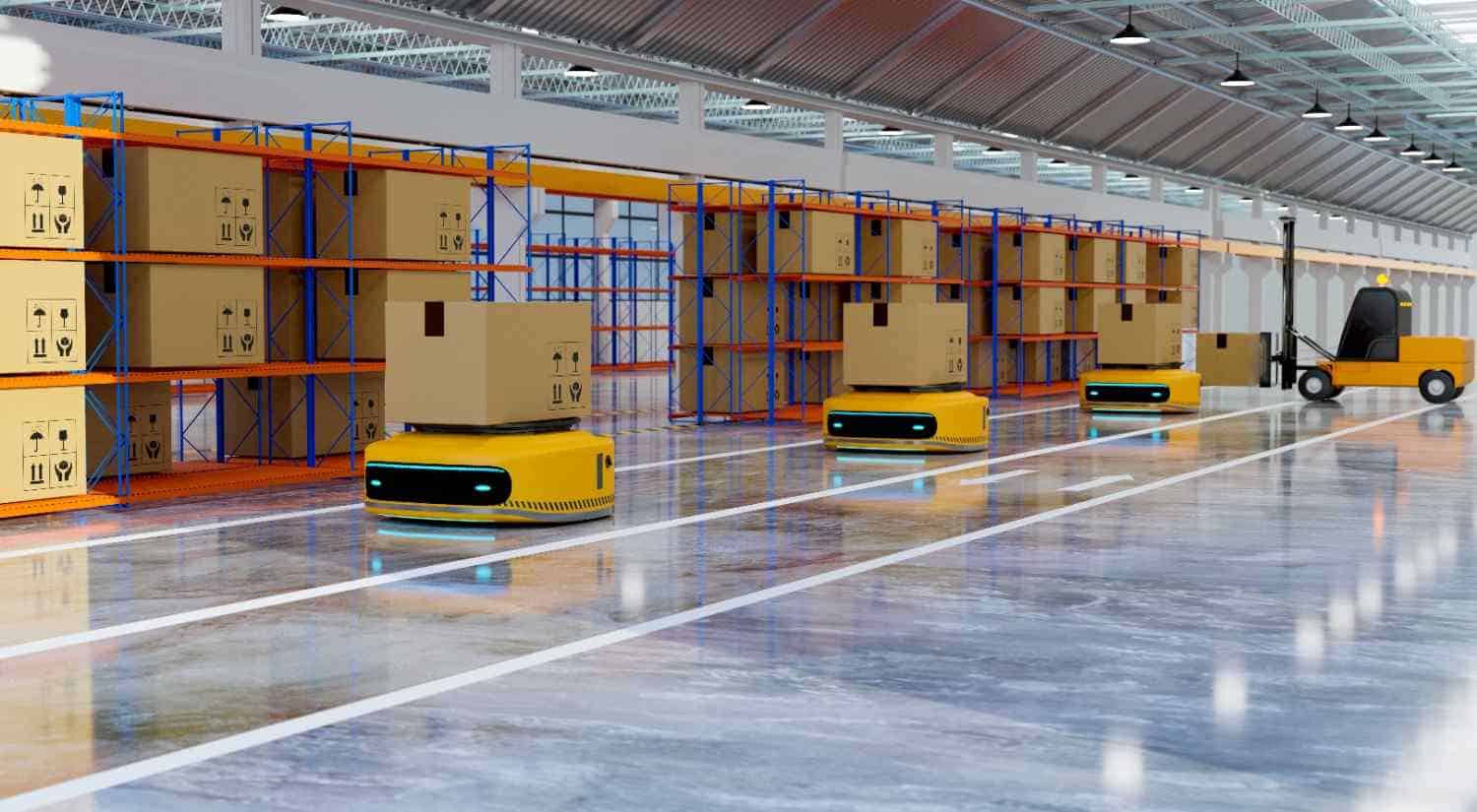
Warehouse technology is moving beyond individual tools and devices. Today, the next round of improvements comes not from a single solution but rather from building an ecosystem where providers integrate with your inventory, equipment, employees, and enterprise systems. Instead of disparate processes, enterprises are leveraging technologies that allow a 360-degree view with actionable information throughout the warehouse.
Real-Time Inventory Visibility
Correct inventory is the backbone of warehouse efficiency. Stock discrepancies, shipping delays, and unnecessary labor are all possible consequences of delayed updates or manual inventory counts.
A modern warehouse management system helps with real-time inventory updates when products are received, moved, picked, or shipped. By integrating barcode scanning, RFID, or IoT-enabled devices with your system for supply chain management, businesses can have a real-time status of inventory across every storage node.
Such a high level of visibility makes it possible to make instant decisions for the warehouse manager while increasing order accuracy and inventory planning.
Mobile Technology Keeps Workers Connected
With regard to warehouse workers, gone are the days of paper forms or static devices. Mobile devices, ruggedized cell phones, barcode scanners, and tablets can carry on crucial info no matter where they are within the warehouse.
When paired with mobile device management (MDM), enterprises can remotely configure devices, push software updates, assess performance, and preserve essential security measures across hundreds to thousands of mobile endpoints.
Mobile workers who are managed properly spend less time looking for information and more of their time being productive.
Data-Driven Decision Making
Warehouse operations generate valuable data every day, from receiving and picking activities to equipment usage and shipping performance. Turning that information into meaningful insights helps organizations continuously improve their operations.
Analytics dashboards can help managers monitor key performance indicators such as:
- Inventory accuracy
- Order fulfillment rates
- Picking productivity
- Dock-to-stock times
- Equipment utilization
- Labor efficiency
By identifying trends and recurring issues, businesses can make informed operational improvements instead of reacting to problems after they occur.
Automation Supports Warehouse Growth
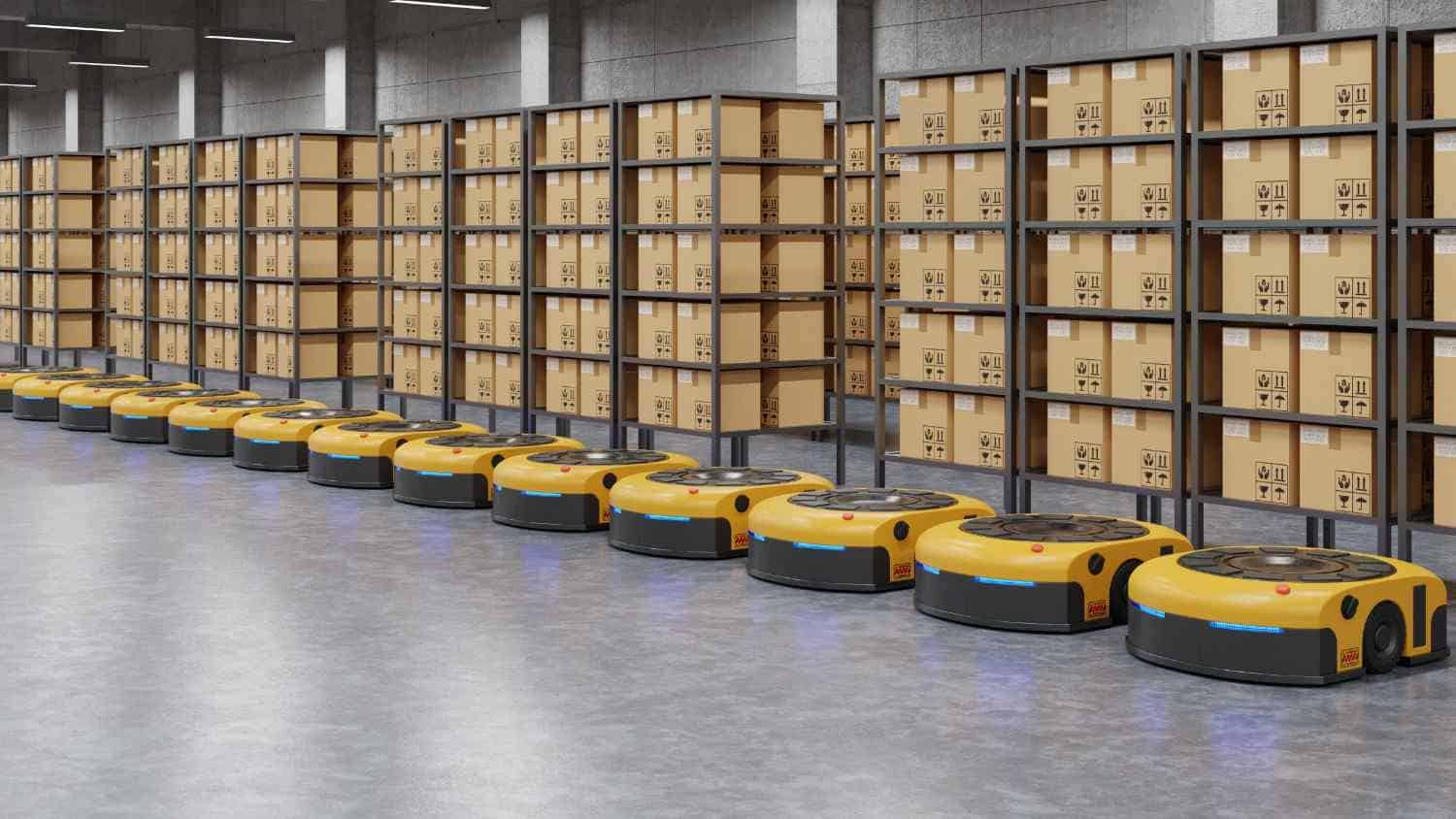
As order volumes increase, manual processes often become difficult to scale. Automation helps warehouses handle greater demand without proportionally increasing labor costs.
Automated workflows can streamline repetitive tasks such as inventory updates, shipment verification, replenishment requests, and reporting. Employees can then focus on higher-value activities that require decision-making and problem-solving.
Automation also reduces the risk of human error, helping maintain consistency even during periods of high demand.
Seamless Integration Across Business Systems
When order volumes surge, manual processes can be hard to scale. Automation allows warehouses to meet increased demand without incurring the same significantly higher labor costs.
One of the advantages of automation is its ability to help streamline high-volume, repetitive tasks like inventory updates, shipment verification, and creation of auto-replenishment requests or reports. This in turn empowers the employees to put their focus on value-adding activities which require decision-making and problem-solving.
Automation minimizes human error and helps ensure consistency even in times of high demand.
Seamless Integration Across Business Systems
The best value from warehouse technology comes when it integrates with other business platforms within the enterprise. Warehouse management systems integrated with ERP, transportation management, inventory software, and asset tracking solutions enable seamless flow of information from one department to the other.
For instance, without the need for human data entry, an inventory update may trigger a purchase order to be created in real-time, alert customers about backordered parts, or schedule production lines.
By stitching systems together, it improves collaboration while reducing the delays associated with disconnected systems.
Supporting Asset Tracking Beyond Inventory
Today, warehouses do more than handle products. They are also reliant on high-value operational assets, like forklifts, pallets, returnable containers, tools, mobile devices, and reusable shipping equipment.
Organisations use RFID, Bluetooth, GPS, or IoT technology to track these assets, which helps them improve asset utilization while reducing losses and unnecessary replacement costs.
Real-time asset visibility allows warehouse staff to track the location of any equipment, observe utilization patterns, initiate maintenance when needed, and ensure resources are utilized in areas where they matter most.
Looking Ahead
Warehouse technology is no longer limited to improving individual tasks—it plays a strategic role in optimizing the entire supply chain. By combining mobile technologies, RFID, real-time inventory management, automation, and integrated business systems, organizations can create more connected, efficient, and resilient warehouse operations.
Businesses that invest in modern warehouse technologies gain more than operational efficiency. They build a foundation for greater visibility, improved decision-making, and the flexibility needed to meet future supply chain challenges with confidence.

A Horizons Talent Alumnus and Microsoft Certified Systems Engineer (MCSE), the author brings a proven track record of success in senior shared-services leadership roles within large, complex multinational organizations, particularly in the manufacturing sector.
With deep experience at Senior Manager level, they have led strategic customer relationships by understanding core business imperatives, shaping service and solution propositions, and delivering measurable business outcomes.