September is National Food Safety Month — making it the perfect time to discuss three primary ways efficient traceability in your supply chain can ensure food safety. Efficient traceability can assist with: controlling human error, employing software systems, and understanding food quality standards.
So far in 2015, U.S. food companies have recalled approximately 500 different FSIS (Food Safety and Inspection Service)-and FDA-regulated food products for food safety, quality, and even labeling issues. Current practice at many companies involves recording the lot numbers of the products by hand and entering them into spreadsheets — which could result in a number of human errors.
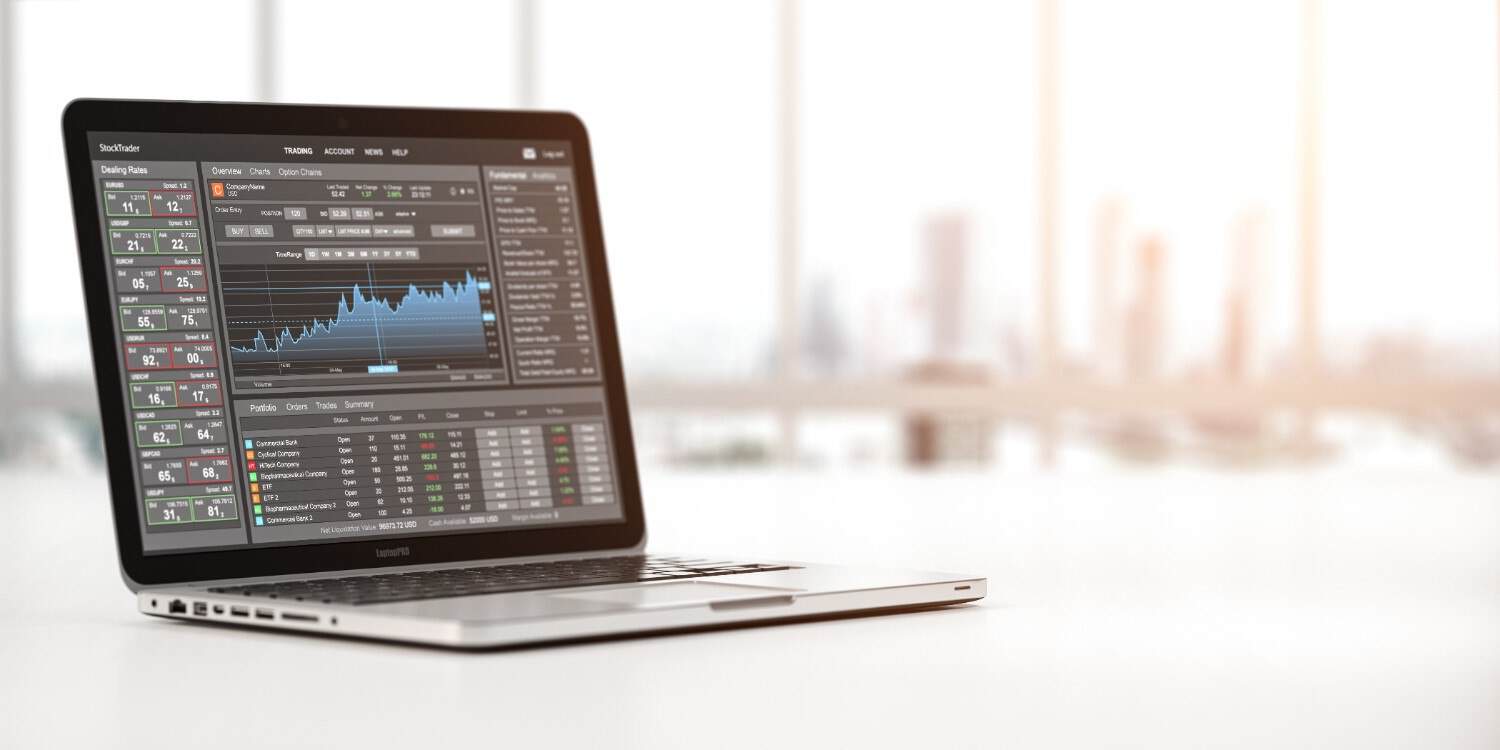
If a recall occurs, a company must provide this information within 24 hours. A digital reporting system can trace back where a contaminated batch came from, thus saving time and money for a company that may not be able to recover financially.
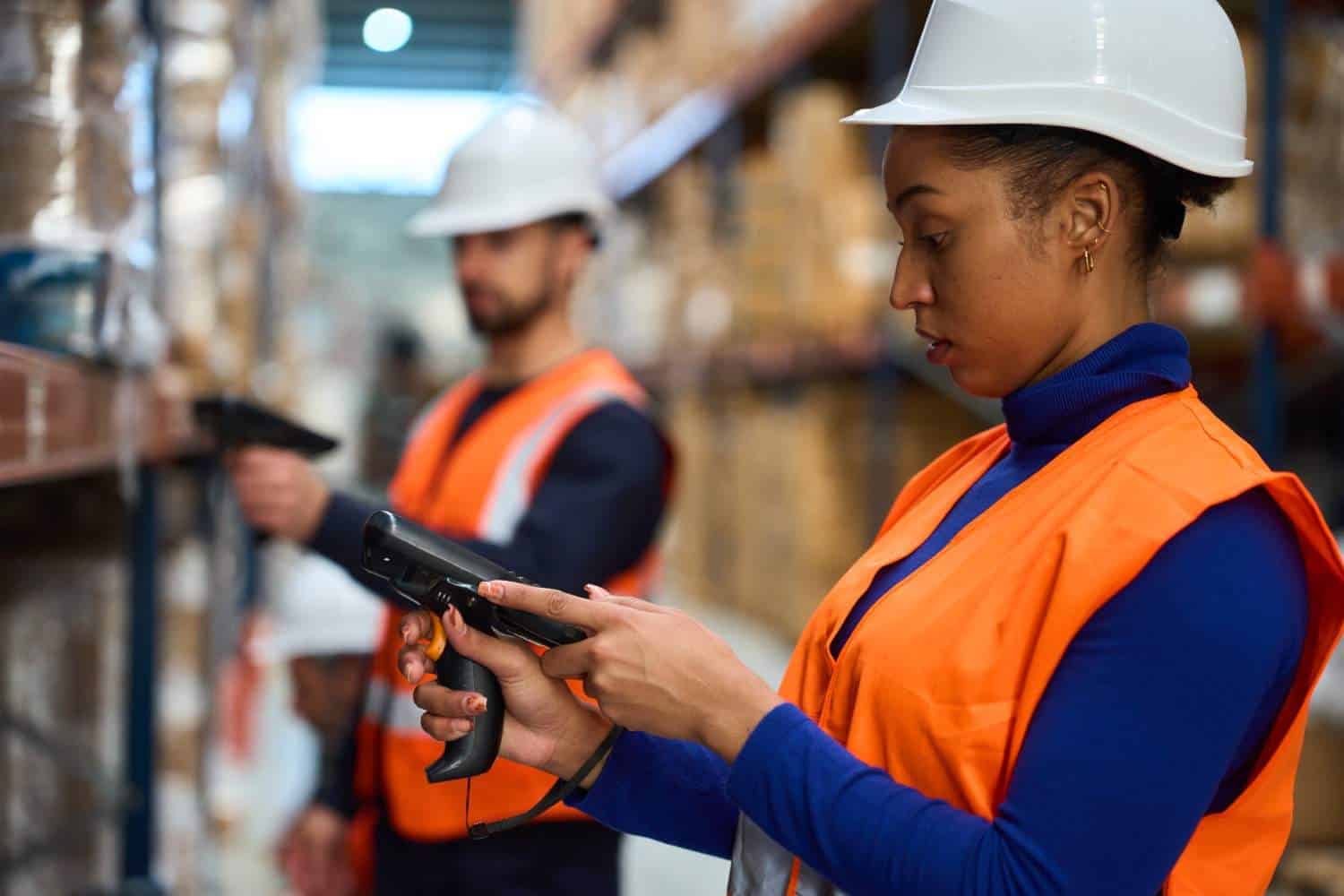
Situations like this demonstrate why using software systems to control a company’s supply chain can be so beneficial. Software systems can print information onto barcode labels, for example, lot numbers, nutrition, and unique IDs. This information is automatically entered into a database. They can provide compliance labels that are within GS1 standards. With the proper software working, you can ensure lot numbers are being recorded accurately and timely.
A recent international recall for cucumbers was traced to a Salmonella outbreak in Mexico. According to the 2001 Bioterrorism Act, as of Dec. 11, 2006, food processors are required to be able to identify the origin of all food received by lot, code or other identifier and provide the same information when releasing products.
The Act applies to both foreign and domestic food, including all ingredients. Civil and criminal actions can be taken if information is not provided upon request to the FDA within 24 hours. Traceability allows for complete accountability that all quality standards are met, no matter where they are imported from.
In essence, a good traceability system is a great way to save money and even time. Who wants to dig for lot numbers and paperwork? A reliable traceability system benefits both low-risk and high-risk food producers. With a proper digital reporting system, a consultant will work with a company to set up a reporting process and provide ongoing education, training, and support.From farm to fork, the label can provide a story of where the product started and ended.
Strengthening Food Safety Through End-to-End Supply Chain Traceability
Pick up any packaged food item and flip it over. There are probably a lot of numbers stamped somewhere on the bottom. Most people never think about what that number means or why it exists.
That number is the beginning of a trail. Where the ingredients came from. Which facility processed them? Which truck carried them? Which warehouse stored them before they moved again? It sounds simple. In practice, maintaining that trail across a global supply chain with dozens of handoffs is genuinely hard — and getting it wrong has real consequences.
Why Visibility Across the Supply Chain Matters
A single food product might pass through a raw material supplier, a processing plant, a co-manufacturer, a regional distribution center, and a retail warehouse before it ever hits a shelf. That is five or six points where something can go sideways — wrong ingredient, contamination, mislabeling, a temperature that drifted too high during transport.
When a problem surfaces, the clock starts immediately. Finding the source without good records is slow, expensive, and stressful. Finding it with solid traceability data takes a fraction of the time.
The visibility that matters spans the whole journey:
- Where the ingredients came from and which suppliers provided them
- How they moved through production and what happened at each stage
- Packaging and labeling at the point where they were applied
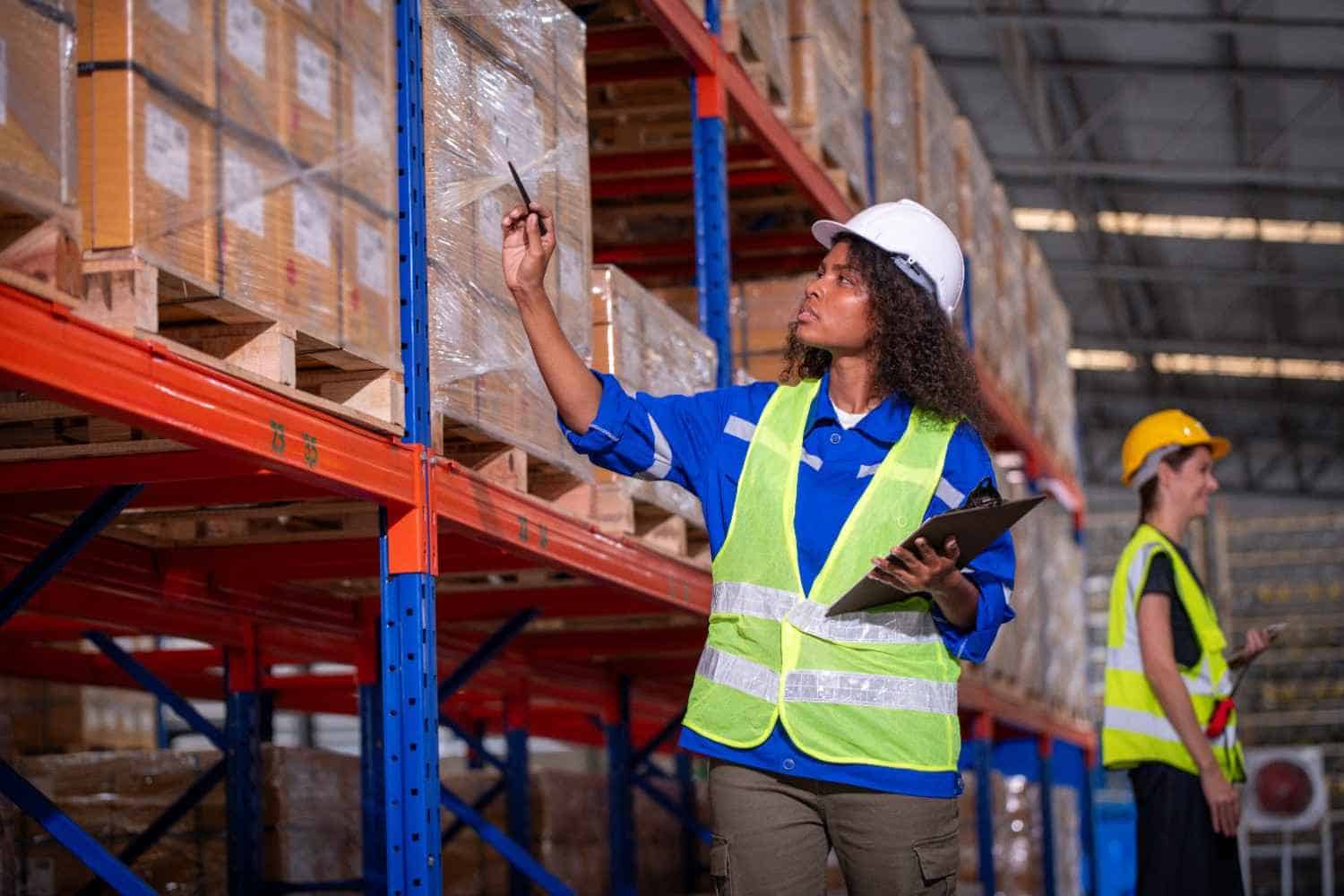
- Storage conditions throughout the warehouse and cold chain
- Distribution routes and which customers or retailers received what
- Final delivery records closing the loop from source to shelf
Without that full picture, any investigation becomes a guessing game.
What Manual Tracking Gets Wrong
A lot of food businesses still run traceability on paper logs, spreadsheets, and handwritten records. It works until something goes wrong and someone needs to reconstruct a product’s history in a hurry.
The problem is not the people maintaining those records. It is the nature of manual data entry itself — transcription errors, missing entries during busy periods, and records that did not get updated in time. Small mistakes in normal times become serious problems when a recall is underway, and regulators are asking questions.
Switching to digital capture changes the math:
- Scanning at the point of activity means data gets recorded when and where it happens
- Automated lot tracking removes the gap between what occurs and what gets documented
- Integrated platforms keep information consistent across departments and sites
- Instant retrieval replaces hours of digging through binders and folders
Cleaner data means faster answers when the stakes are highest.
When a Recall Hits
Nobody plans for a recall. But every food business needs to be ready for one, because when a safety issue surfaces, the window for effective response is narrow.
How that response goes, how fast, how precise, how contained, depends almost entirely on the quality of records already in place. Companies with solid traceability can move quickly and surgically. Those without it end up pulling far more product than necessary, spending far more money, and taking far longer to close the situation.
Good traceability during a recall means:
- Specific lots get identified immediately rather than through manual record searches
- Where the product went is already documented — down to which customers received which batches
- Only affected inventory gets pulled instead of broad sweeps that disrupt unrelated products
- Partner notifications go out faster with accurate, specific information attached
- Regulatory documentation is ready rather than assembled under pressure
The difference between a well-managed recall and a damaging one often comes down to preparation that happened long before anything went wrong.
Keeping Up With Regulations
Food safety rules keep getting stricter. Regulators want documentation, not assurances, not general policies, but actual records showing where products came from, how they were handled, and where they ended up. The bar keeps moving upward, and businesses that are not keeping pace get caught off guard.
Traceability systems handle this by maintaining records that are organized, complete, and accessible when needed:
- Product histories that go back to raw material origins
- Audit trails covering every meaningful step in the process
- Documentation that can be pulled quickly during an inspection
- Clear accountability records showing who handled what and when
Walking into a regulatory inspection with complete, well-organized records is a very different experience from trying to reconstruct the story from scattered paperwork.
Using Traceability Data to Improve Quality
Most of the value from traceability shows up during problems. But the data collected every day has a quieter, ongoing use that does not get talked about enough.
When detailed records flow through production consistently, patterns emerge. A particular supplier whose batches correlate with higher rejection rates. A storage condition that keeps showing up in shelf life complaints. A production line that generates more variation than others across similar runs.
That information supports real quality improvement:
- Supplier performance is tracked with actual data rather than general impressions
- Ingredient quality compared across batches and sources over time
- Production consistency was measured and addressed based on documented evidence
- Storage and transport conditions verified against established standards
- Shelf life trends are analyzed to catch issues before they reach consumers
Quality programs that run on real data improve steadily. Those relying on instinct and experience alone tend to plateau.
What Consumers Actually Want to Know
Shoppers today are paying more attention to food origins than any previous generation. Where it was grown. How it was processed. Whether the sustainability claims on the front actually mean something. That interest is not going away; it is growing.
Traceability gives companies the ability to back up what they say. When a product claims responsibly sourced ingredients or specific quality standards, a traceable supply chain turns that claim into something verifiable rather than just a marketing line.
The trust that builds from that transparency shows up in:
- Brand credibility that is earned rather than assumed
- Consumer confidence in what the label actually says
- Verification capability for premium or specialty product claims
- Sustainability reporting grounded in documented supply chain data
- Stronger retailer and partner relationships built on shared accountability
The Technology Behind It
No single piece of technology handles end-to-end traceability alone. It comes from several systems capturing information at different points and feeding it into a shared, accessible record.
What that typically looks like in practice:
- Barcode labeling, assigning lot and batch identification at every stage
- RFID tracking records movements automatically without requiring manual scans
- Mobile devices are capturing data during receiving, production, and shipping
- Warehouse management systems track stock location and movement with precision
- ERP platforms connecting production activity to broader business records
- Cloud reporting tools are making information accessible across sites and supply chain partners
When these pieces connect properly, information follows the product through the chain the same way the product does, continuously and without manual gaps between steps.
The Broader Business Case
Food safety justifies traceability on its own. But the operational improvements that come alongside it are real and worth acknowledging honestly.
Better supply chain visibility tends to produce:
- Lower administrative overhead as automated systems replace manual recordkeeping
- More accurate inventory counts are tracked against actual movement rather than estimates
- Less waste from better lot management and expiration date visibility
- Faster responses to supplier issues backed by documented performance data
- Reduced financial exposure during recalls, audits, and regulatory reviews
These are not secondary benefits. They are what happens when a business treats traceability as an operational investment rather than a compliance minimum.
From the First Ingredient to the Last Mile
Every food product has a journey that most consumers never see. It starts somewhere, a farm, a raw material supplier, a manufacturing facility, and ends in front of a customer who trusts that what they are eating is safe and accurately represented.
The businesses responsible for that journey owe it to their customers, their partners, and their own operations to be able to document it clearly. Not because regulations require it. Because when something goes wrong, and at some point it always does, the ability to respond quickly and accurately is what determines how serious the consequences are.
Traceability is how accountability gets built into the supply chain before it is ever needed.
Find out how Lowry Solutions’ Packaging Execution System (PES) can increase the efficiency of your supply chain:

A Horizons Talent Alumnus and Microsoft Certified Systems Engineer (MCSE), the author brings a proven track record of success in senior shared-services leadership roles within large, complex multinational organizations, particularly in the manufacturing sector.
With deep experience at Senior Manager level, they have led strategic customer relationships by understanding core business imperatives, shaping service and solution propositions, and delivering measurable business outcomes.