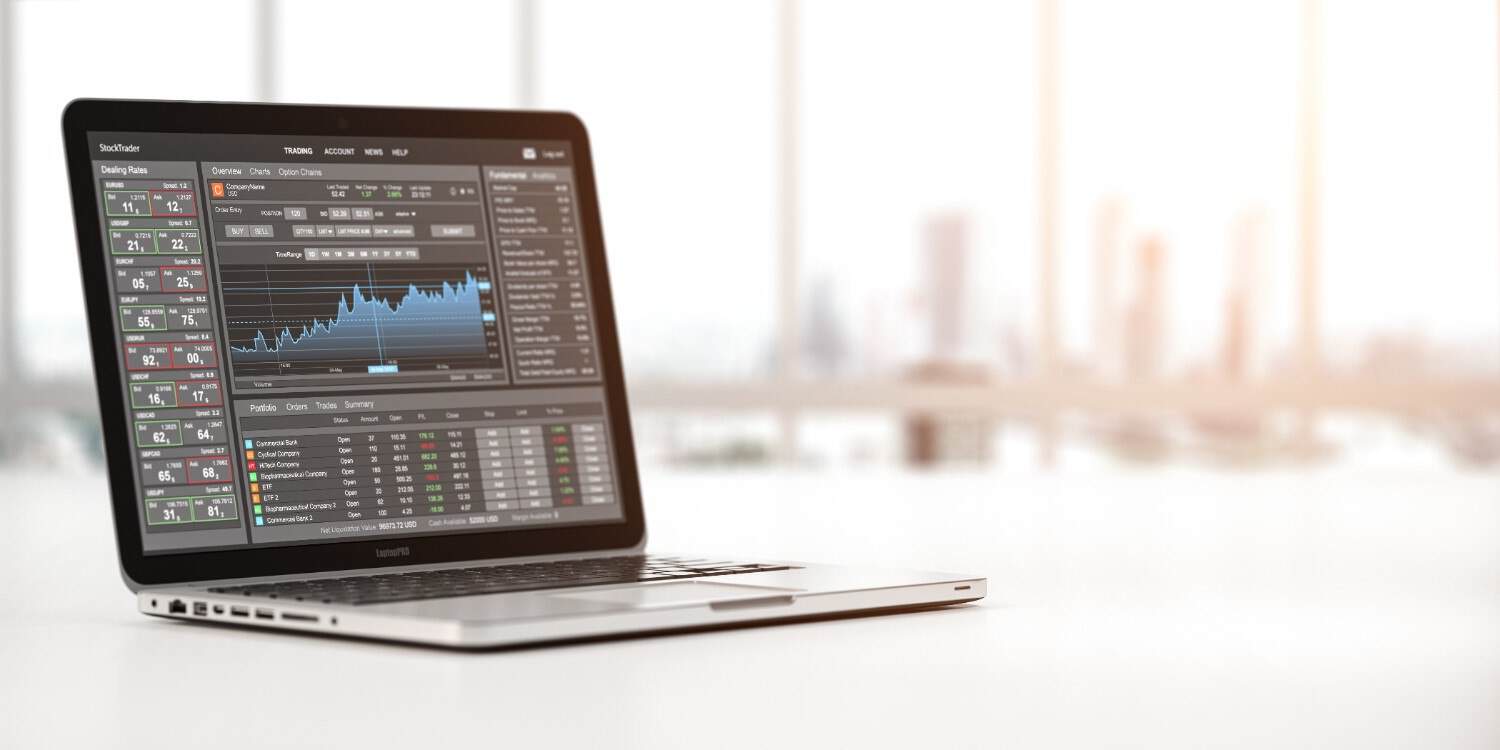
Mobile device management (MDM) solutions provide a centralized way to secure, monitor, manage and support mobile devices. While those benefits are most evident in widely dispersed workforces (as in field service or delivery applications), these software solutions can provide just as much value in a warehouse or distribution center.

In fact, most of the key benefits of MDM are easily transferable from field-based to the warehouse. Those benefits include:
Better Software Management: Mobile device management solutions can provide over-the-air distribution of software applications, data, and configuration settings, which means IT can refresh the devices while they are in use rather than having staff interrupt their workdays for updates. Faster software provisioning reduces unnecessary downtime in the warehouse and avoids IT overtime since they won’t have to stay after hours to manually manage those updates
Better Central Management and Reduced IT Costs: Mobile device management solutions can provide over-the-air distribution of software applications, data, and configuration settings, which means IT can refresh the devices while they are in use rather than having staff interrupt their workdays for updates. Faster software provisioning reduces unnecessary downtime in the warehouse and avoids IT overtime since they won’t have to stay after hours to manually manage those updates. This works especially well when combined with RFID technology to ensure devices and tagged assets remain synced with updated data.
Improved Security: Mobile device management solutions provide a method so that every device ends up with the right security software on it, and also ensure that passwords and encryption are used properly. If a device is lost or stolen, IT can do a remote wipe to remove any sensitive data quickly. IT can also roll out security fixes in a rapid fashion and lock down all of the mobile devices, or only select ones, when there’s a breach situation. And in some cases, you can even monitor devices in real time across the facility, so you can make sure they don’t wander out of certain work areas.
Remote Troubleshooting and Repair: If there is a problem with a device, the employee doesn’t have to physically walk the equipment back to an office. IT can remotely view the device and potentially even solve the problem without creating any downtime for the employee. IT can monitor memory and performance, as well as the health of the wireless network to proactively address potential failures.
Improved Lifecycle Management: Mobile device management solutions allow you to keep an accurate inventory of all of your mobile devices. You can also better manage the hardware through its lifecycle because you know how long each device has been in service, its maintenance history, and when it is due for upgrades or replacement.
Better Control over Applications and Device Profiles: While end users in “bring your own device” (BYOD) organizations may balk at IT having too much control over their personal devices during work hours, warehouse devices are in almost all cases the property of the company. MDM allows complete control over which applications are present on the device and which apps are blacklisted. If a device fails, the device image or profile can quickly be accessed and re-loaded.
Improved Multi-Platform Support: While most warehouses use the same mobile devices throughout their operations, there can still be a variety of vehicle-mount, fixed-mount, hand-held and other computers on site from different vendors and, in some cases, running different operating systems. Mobile device management makes it easier to centrally manage and maintain a mixed-device environment.
Mobile device management (MDM) solutions can help keep your mobile applications from overwhelming the IT department. Even in a warehouse environment, central control and monitoring of the device fleet can provide substantial benefits that ensure your mobile solution continues to provide a return on investment.
The Growing Role of Mobile Devices in Warehouse Operations
Walk through almost any warehouse today and you’ll notice how much daily work depends on mobile technology. Employees are scanning products, checking inventory levels, confirming shipments, updating orders, and communicating with teams — all from handheld devices or mounted computers.
These devices support important warehouse activities such as:
- Inventory tracking
- Order picking
- Shipment verification
- Receiving operations
- Cycle counting
- Warehouse communication
- Real-time inventory updates
Because mobile devices get used across whole shifts, even a small technical issue can slow things down more quickly than most businesses think. Like, a scanner that keeps disconnecting over and over, or a device still running older software, can spark delays that ripple into picking speed, inventory accuracy, and shipping timelines.
That’s one reason mobile device management is getting more important in warehouse day-to-day work. As companies add yet more devices and expand their operations, doing it all manually gets messy and hard for IT teams and warehouse managers.
Rather than treating each device one at a time, mobile device management helps organizations take a cleaner approach to keep devices updated, protected, and running right across the whole facility.
Reducing Small Problems Before They Become Bigger Issues
In many warehouses, employees work under tight deadlines and fast-moving schedules. If a device suddenly stops working correctly, workers often have very little time to wait for support.
Without centralized management tools, small issues can quickly turn into larger operational problems. Something as simple as:
- A failed application update
- Poor wireless connectivity
- Slow device performance
- Syncing errors
- Battery issues
can lead to delays across multiple tasks during a shift.
Mobile device management helps IT teams identify and respond to problems faster. Instead of waiting for devices to fail completely, teams can:
- Monitor device performance remotely
- Push software updates
- Address security concerns
- Troubleshoot issues proactively
- Maintain consistent device settings
This proactive approach can make a noticeable difference in hectic periods, when warehouse teams are processing high order volumes and pushing against strict shipping deadlines, and you know.
For the folks on the warehouse floor, fewer device problems means less annoyance during the workday. Workers can keep their attention on their responsibilities instead of losing time with technical interruptions and minor hiccups.
Making Daily Operations More Consistent
One of the challenges warehouses often have is keeping everything consistent across the mobile devices used around the facility. Over time, devices may end up running different app versions, outdated settings, or inconsistent configurations, and then it just feels messy.
Even a small difference between devices can confuse the employees. One scanner might behave a little differently from another, and some applications may not respond the same in each department.
That’s where mobile device management helps; it makes it easier to create a more steady experience by letting IT teams standardize the devices across the whole operation. Instead of configuring each device one at a time, applications, settings, and security controls can be managed in a centralized way.
This becomes especially helpful in larger warehouses where devices are shared across:
- Multiple shifts
- Different departments
- Temporary workers
- Seasonal teams
Consistency also helps simplify training. Employees can move between workstations or devices more easily when everything operates in a familiar way.
As a result, warehouses often benefit from:
- Fewer user errors
- Faster onboarding
- Smoother workflows
- More reliable device performance
- Improved operational efficiency
Helping IT Teams Work More Efficiently
Warehouse technology environments can become difficult to manage as operations grow. Some facilities may use hundreds of mobile devices across receiving, picking, packing, shipping, and inventory management.
Without centralized management tools, IT teams can spend a significant amount of time:
- Updating devices manually
- Troubleshooting recurring issues
- Tracking hardware inventory
- Managing software installations
- Responding to support requests
Mobile device management helps reduce much of that manual workload.
Instead of physically handling every device, IT teams can remotely:
- Deploy updates
- Adjust settings
- Install applications
- Monitor performance
- Troubleshoot software issues
This saves time not only for IT departments, but also for warehouse employees who no longer need to stop working while devices are serviced manually.
For organizations operating multiple warehouse locations, centralized device management also makes it easier to support facilities without needing large onsite IT teams everywhere.
Supporting Warehouse Growth Over Time
As warehouse operations expand, the number of mobile devices usually grows as well. Additional employees, new warehouse locations, and increased order volumes all place greater demands on operational systems.
Managing a small group of devices manually may work for a while, but it becomes much harder as operations scale.
Mobile device management provides a more structured way to support long-term growth. New devices can be prepared faster, security settings can remain consistent, and updates can be rolled out across the organization more efficiently.
This becomes particularly useful during peak seasons when warehouses may:
- Bring in temporary workers
- Deploy additional equipment
- Extend operational hours
- Increase shipping volumes
Having centralized visibility into devices also helps businesses plan ahead. IT teams can monitor:
- Device age
- Maintenance history
- Battery performance
- Software versions
- Usage trends
That visibility helps reduce unexpected downtime and supports more reliable warehouse operations over time.
Creating a Better Experience for Warehouse Employees
Technology plays a major part in how efficiently warehouse employees get things done. When the devices run reliably, tasks move along more quickly, and employees can stick to completing their responsibilities without all these needless interruptions.
On the other hand, if technical issues show up again and again, workflows tend to slow down, and people get more frustrated across the entire floor.
Mobile device management helps build a more steady work environment, mostly by improving how devices are looked after and how support is handled throughout the operation.
Employees benefit from:
- Faster issue resolution
- More reliable device performance
- Fewer software problems
- Consistent application access
- Reduced downtime during shifts
While workers may never directly interact with the management software itself, they experience the operational benefits through smoother day-to-day workflows.
Over time, these improvements contribute to:
- Better productivity
- Fewer operational disruptions
- Improved workflow efficiency
- More accurate warehouse processes
- Stronger overall operational performance
Conclusion
As warehouses keep relying more heavily on mobile tech, handling those devices efficiently is more important for keeping things productive and operationally accurate.
Mobile device management lets organizations cut down on downtime, boost consistency, enhance device oversight, and generally help warehouse employees work smoothly through the day. When IT teams get more visibility and some centralized control, they can keep the devices running reliably while enabling faster and more organized workflows across the whole facility.
And for warehouse operations that are growing, mobile device management isn’t just an IT benefit—not only that, it also matters for efficient, scalable, dependable day-to-day activities.

A Horizons Talent Alumnus and Microsoft Certified Systems Engineer (MCSE), the author brings a proven track record of success in senior shared-services leadership roles within large, complex multinational organizations, particularly in the manufacturing sector.
With deep experience at Senior Manager level, they have led strategic customer relationships by understanding core business imperatives, shaping service and solution propositions, and delivering measurable business outcomes.