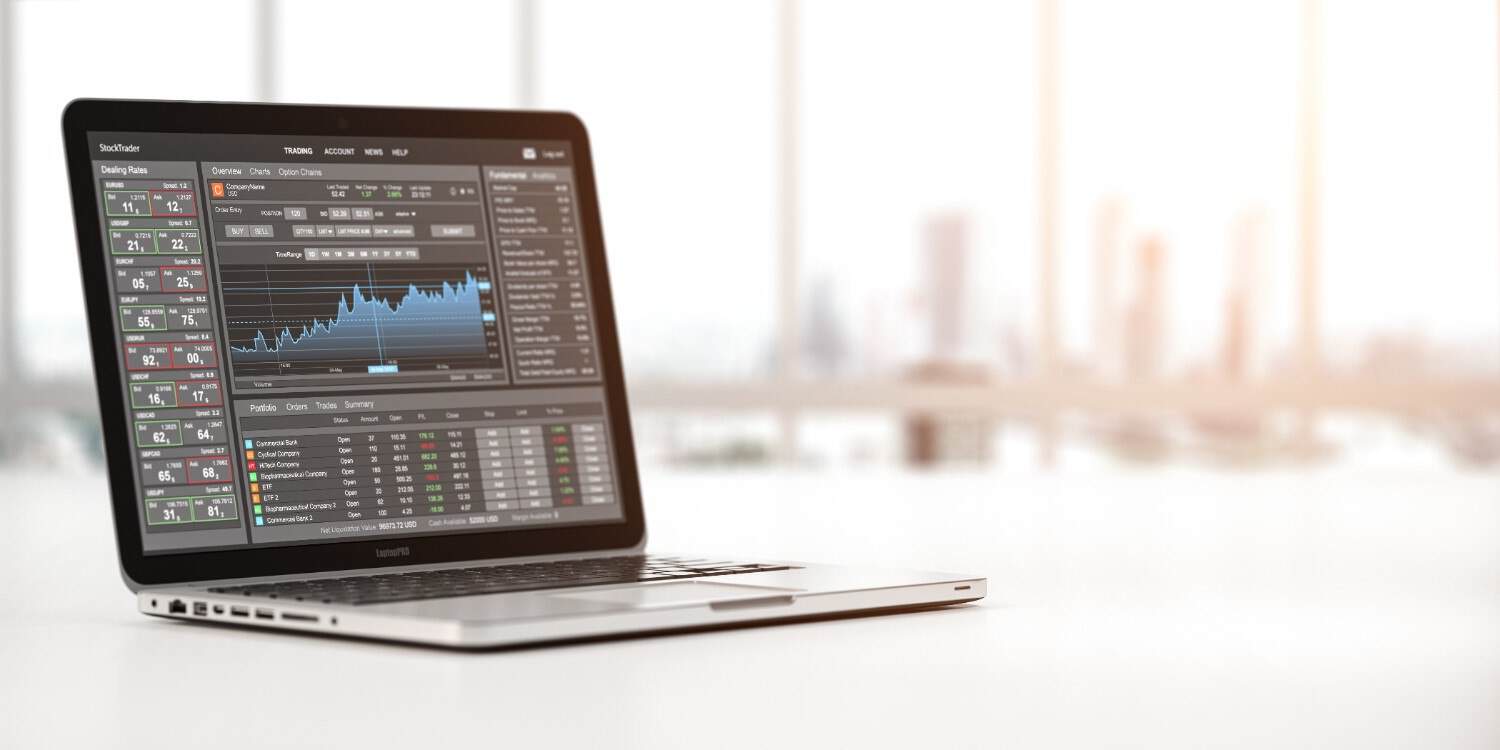
Working leaner and smarter doesn’t require an overhaul of your processes, just your approach. When you can step away from “the way we’ve always done it” and identify opportunities for improvement, you’ll improve operational efficiency.
Asset management and control should be one of your lean manufacturing targets. The investment of time and money you’ve placed in accruing those critical assets will deliver a higher return when you establish and maintain a system for monitoring them. When your workers are spending as much time tracking down tools or repairing equipment as actually doing their primary tasks, you’re paying for unnecessary downtime, and potentially shortening the lifecycle of your equipment.
Automated data collection isn’t limited to inventory control. You can automate the maintenance schedules of your equipment. A quick scan with a mobile device shows the maintenance history and connects you with the product manual and schematics. With mobile device management solutions, you can receive alerts on your mobile device of potential equipment problems, allowing you to troubleshoot more readily.
With a mobile asset management system powered by RFID technology, your technician can diagnose and then order the necessary tools and parts (including the replacement pool) immediately. When the repair or service is completed, the technician easily records it on a mobile computer, with the information automatically uploaded to your system — giving you an audit trail that helps you better manage the asset from acquisition to decommissioning.
With proactive asset management and RFID technology, you reduce the cost of repairs and replacement, as well as the downtime that is created when your system is reactive, rather than proactive.
What do you need to implement an automated asset management system? If you’re already using barcoding or RFID, you have barcode scanners, readers, and printers. Make sure they’re updated to give you the latest functionality — like faster reads and scanning, including those barcodes that have become scratched, smudged, or damaged.
Remember, lean manufacturing requires that you eliminate wasted movement. The more time your technicians spend trying to zoom in on a worn barcode, the more it’s costing you.
A rugged mobile printer, like the Zebra QLn Series, enables your technician to output barcode labels on demand, for any tools and equipment. This mobile asset management ensures that all of your assets are accurately tagged and not left for marking later, when the technician returns to the print station.
Building a More Connected Asset Management Strategy

Achieving lean manufacturing objectives requires more than simply reducing waste on the production floor. Organizations also need complete visibility into the assets that support production every day. From handheld tools and mobile equipment to production machinery and testing devices, every asset plays a role in maintaining productivity. When these assets are difficult to locate, poorly maintained, or inconsistently tracked, even the most efficient manufacturing processes can experience delays.
A connected asset management strategy gives organizations the ability to monitor assets throughout their entire lifecycle. Instead of relying on manual spreadsheets or paper-based records, manufacturers can capture asset information automatically using barcode scanning, RFID technology, and mobile computers. This creates a centralized source of accurate data that supports faster decision-making while reducing administrative workloads.
Extend Visibility Beyond the Production Floor
Many manufacturers focus on monitoring production equipment but overlook supporting assets located throughout warehouses, maintenance departments, quality control labs, and shipping facilities. These assets often move between departments, making them difficult to locate when needed.
With real-time tracking technologies, organizations can monitor:
- Production tools
- Calibration equipment
- Safety equipment
- Maintenance carts
- Portable testing devices
- Forklifts and material handling equipment
- Returnable transport items
- High-value electronic equipment
Having immediate access to asset location data minimizes unnecessary searches and ensures employees can begin work without delays.
Enhance Collaboration Across Departments
Asset management is not solely the responsibility of maintenance teams. Operations, warehouse personnel, purchasing departments, and management all depend on accurate asset information.
A centralized asset management solution enables multiple departments to access the same real-time data, improving collaboration throughout the organization. For example, purchasing teams can verify equipment utilization before ordering replacements, while production managers can confirm asset availability before scheduling manufacturing runs.
This shared visibility reduces communication gaps and helps ensure assets are used more efficiently across the entire operation.
Support Compliance and Audit Readiness
Manufacturers operating in regulated industries often need detailed documentation showing equipment inspections, maintenance activities, calibration schedules, and asset movement.
Automated asset tracking simplifies compliance by creating a complete digital audit trail. Every scan, repair, inspection, or transfer is automatically recorded, reducing manual paperwork while improving data accuracy.
Organizations benefit from:
- Faster audit preparation
- Improved record accuracy
- Reduced documentation errors
- Easier compliance reporting
- Better asset accountability
Digital records also eliminate many of the risks associated with paper documentation, including misplaced records and incomplete maintenance histories.
Optimize Asset Utilization
Many organizations purchase additional equipment simply because existing assets cannot be located quickly. Without accurate visibility, duplicate purchases become common, increasing operational costs.
Real-time asset tracking provides valuable utilization data, allowing organizations to determine:
- Which assets are used most frequently
- Which equipment remains idle
- Where assets are located
- How often maintenance is required
- When replacement becomes more cost-effective than repair
These insights support smarter purchasing decisions while maximizing the return on existing investments.
Integrate Asset Management with Enterprise Systems
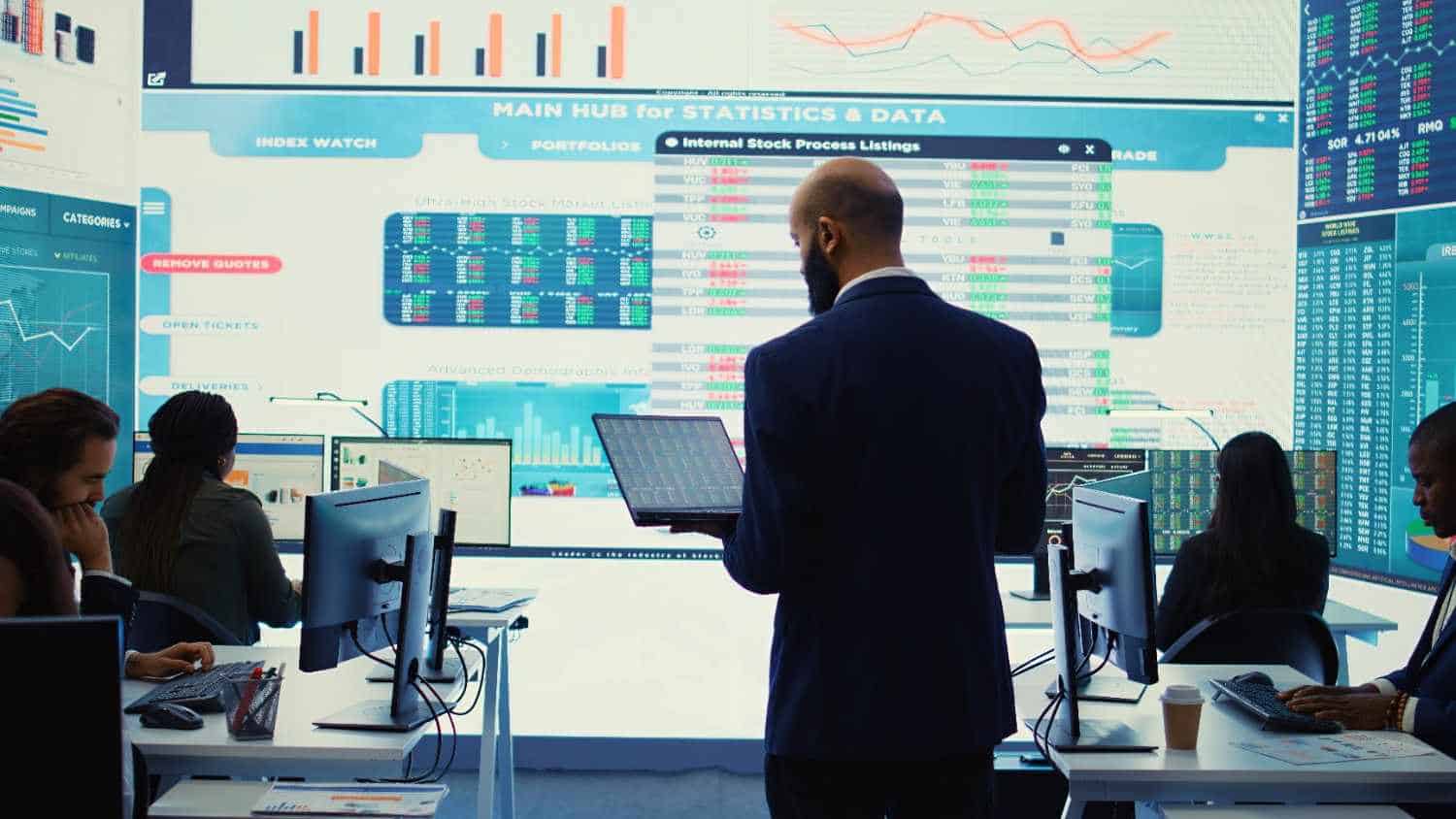
Modern manufacturing environments depend on connected business systems. Integrating asset management software with ERP, warehouse management systems (WMS), and maintenance platforms allows information to flow automatically between departments.
Instead of manually entering asset information into multiple applications, organizations can synchronize data across systems, improving consistency and reducing administrative effort.
Integrated solutions also enable management teams to generate comprehensive reports covering asset performance, maintenance costs, inventory levels, and operational efficiency from a single source of truth.
Strengthen Workforce Productivity
Employees are most productive when they have immediate access to the tools and equipment required for their work. Mobile computers, rugged handheld devices, and barcode scanners enable workers to locate assets, update maintenance records, and verify equipment status directly from the production floor.
This mobile access eliminates unnecessary trips back to workstations while improving response times for maintenance requests and equipment servicing.
By reducing manual data entry and streamlining asset-related workflows, organizations enable employees to focus on higher-value activities that directly support production goals.
Scale Asset Management as Operations Grow
The larger the asset inventory grows due to sites and factories, as fabrication plants become larger. As new production lines, warehouses, and workforces pop up to accommodate shifting consumer demand, more scalable solutions capable of managing thousands of assets across multiple locations will need to be put in place.
Technology-agnostic asset management platforms have the ability to deploy RFID, barcode, GPS, Bluetooth, and IoT technologies when business needs change. This means organizations can preserve existing technology investments while keeping pace with evolving business needs.
Achieve Long-Term Operational Excellence
Lean manufacturing is more than a one-time drive; it involves a lifelong commitment to continuous improvement. This goal is further supported by implementing a modern asset management strategy through precise data, fewer operational inefficiencies, and improved reliability of equipment.
Lowry Solutions aids organizations in securing greater visibility of assets using integrated technologies, enterprise mobility solutions, radio frequency identification (RFID), barcode systems, and intelligent asset management software. Paired with the Sonaria platform, along with professional implementation services, businesses can automate asset tracking, optimize maintenance workflows, and get data-driven insights that help informed decisions.
Connected asset management solutions that eliminate the chances of human error allow manufacturers to avert costly disruptions and downtime, drive productivity among their workforce, and create a more resilient operation that can continue to support lean manufacturing goals in line with changing business processes.
Lowry Solutions has developed the LowryTrack Asset Control System (ACS) that provides an end-to-end system for protecting your critical assets. If you want to increase operational efficiency and reduce operational costs, talk to us today.

A Horizons Talent Alumnus and Microsoft Certified Systems Engineer (MCSE), the author brings a proven track record of success in senior shared-services leadership roles within large, complex multinational organizations, particularly in the manufacturing sector.
With deep experience at Senior Manager level, they have led strategic customer relationships by understanding core business imperatives, shaping service and solution propositions, and delivering measurable business outcomes.