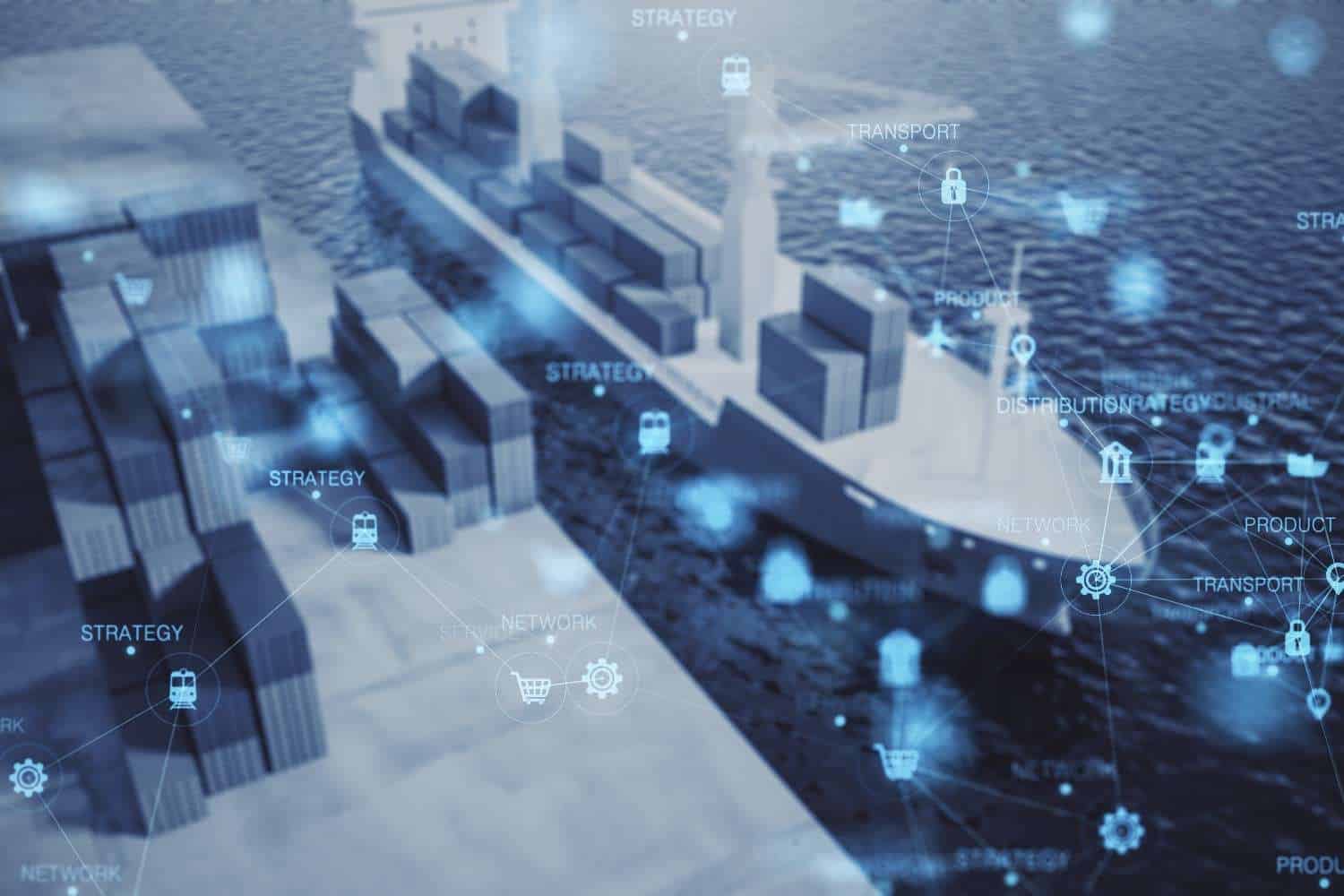
Mobility and mobile devices have become an essential part of your business operations. From manufacturing and warehousing to transportation and logistics, industries across the entire supply chain and beyond have adopted mobility technologies to increase efficiency and keep up with customers’ demands.
But now that you have all these mobile devices, how do you make sure that they’re being used how and where they were intended? How do you ensure that none of them have been misplaced or, in some cases, stolen?
This is where a mobile device management (MDM) solution comes in handy. One of the many benefits of an MDM solution is the geofencing capability.
What Is A Geofence?

It’s a digital boundary that uses GPS or RFID technology to allow or control certain aspects of device performance inside and outside the set boundary.
Creating a geofence is extremely simple. It can take as much or as little time as you want, and the geofence itself can be as detailed as you want it to be.
Using MDM software like MobiControl, you simply draw a digital border around a geographical area. (Check out this video to see what we mean.) Then you set up the notifications, alerts, and functions you want to be performed based on device behavior in your geofence.
What’s The Purpose Of Geofencing?
By setting virtual boundaries, you can use a geofence for:
- Simple device tracking within the geofence
- Defining specific actions to execute automatically when devices enter or exit the geofence
- Detecting and locking down lost or stolen devices
- Provisioning applications, policies, and services
Industry Use Case Examples
Asset Management With Geofencing
- Geofencing enhances asset management for mobile assets when paired with mobile device management solutions.
- Enables tracking, securing, and optimizing the use of mobile assets.
Warehouse And Distribution Center Applications
- Create a geofence around a warehouse, distribution center, or manufacturing plant to monitor devices like mobile computers or rugged tablets.
- Set rules to notify administrators if devices leave the geofence.
- Mobile device management solutions can disable devices that exit the geofence, protecting against theft and securing critical business data.
- Geographic triggers alert workers when delivery vehicles enter or exit the geofence, enabling faster preparation for unloading and reducing downtime.
Fleet Management
- Apply geofences to shipping routes to monitor truck drivers.
- Mobile device management solutions notify dispatchers if a driver deviates from the route, ensuring efficient use of time and improving delivery operations.
- Provides visibility into actual hours worked, helping fleet managers reduce wasteful spending and allocate resources fairly.
Driver Performance And Safety
- Set geofences around the start and end locations of drivers’ routes.
- Disable specific apps on drivers’ mobile devices when leaving the starting geofence to eliminate distracted driving.
- Reactivate devices or apps when entering the destination geofence, improving driver performance and reducing company liability.
Business Value Of Geofencing
- Provides actionable data and insights about company resources based on their location.
- Helps understand employee performance, reduce costs, and increase overall efficiency.
Best Practices For Building An Effective Mobile Device Geofencing Strategy
Implementing geofencing is more than drawing virtual boundaries on a map. To maximize its value, organizations should develop a strategy that aligns geofencing policies with business processes, security requirements, and operational objectives. When integrated with enterprise mobility and asset tracking solutions, geofencing becomes a powerful tool for improving visibility, protecting valuable devices, and automating routine workflows.
The first step is identifying which assets, personnel, or locations require location-based monitoring. Distribution centers, production facilities, service vehicles, retail stores, construction sites, and healthcare campuses all present unique operational requirements. Defining these priorities helps organizations configure geofences that support daily operations without creating unnecessary alerts or administrative overhead.
Automate Routine Workflows With Location-Based Triggers
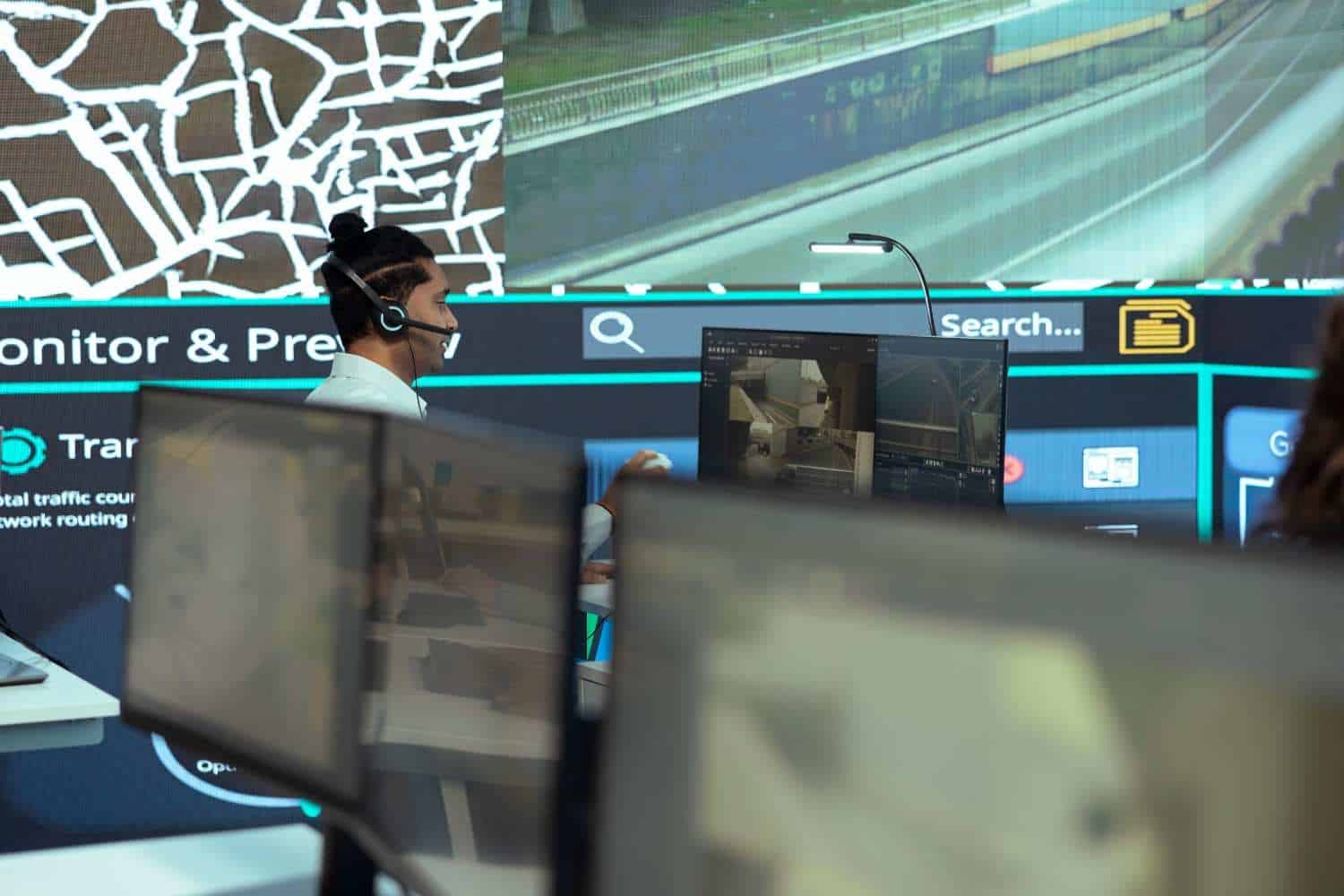
One of the greatest advantages of geofencing is its ability to automate repetitive tasks that would otherwise require manual intervention. Instead of relying on employees to remember specific procedures, organizations can configure automated actions based on device location.
Examples include:
- Automatically synchronizing inventory data when devices enter a warehouse.
- Downloading updated work orders as technicians arrive at customer locations.
- Restricting access to sensitive applications outside authorized facilities.
- Enabling Wi-Fi connections when devices enter company premises.
- Switching to cellular connectivity when vehicles leave distribution centers.
- Triggering maintenance checklists when equipment enters designated service areas.
These automated workflows reduce administrative effort while ensuring business processes remain consistent across multiple locations.
Strengthen Mobile Security Across The Enterprise
Mobile devices frequently contain sensitive operational information, including customer records, inventory data, production schedules, and business applications. If devices are lost or stolen, unauthorized access can create significant operational and security risks.
Combining geofencing with Mobile Device Management (MDM) allows organizations to implement proactive security measures based on device location.
Security capabilities may include:
- Automatic device locking after leaving approved locations.
- Remote wipe functionality for missing devices.
- Multi-factor authentication outside corporate facilities.
- Application restrictions in public environments.
- Real-time alerts for unauthorized movement.
- Continuous device compliance monitoring.
These location-aware controls help organizations protect confidential information without interrupting legitimate business activities.
Improve Asset Visibility Through Integrated Tracking
Geofencing proves to be a lot more effective when combined with technologies such as RFID, barcode scanning, GPS, Bluetooth, and IoT sensors. Instead of just monitoring the mobile device, businesses can see a larger ecosystem of assets and operations.
Rugged handheld computers used for inventory management can communicate automatically with RFID readers that log when an asset moves from point A to B. GPS tracking allows people to see items that move outside warehouse walls, and IoT sensors can be used to show you the environmental data required to ensure sensitive equipment stays within a certain temperature range.
Sonaria does this by providing a centralized platform that aggregates all of these data sources into a unified dashboard to enable an organization to monitor asset visitation, device health and status, workflow execution, and operational performance in one closed control loop window. This holistic approach eliminates information silos and facilitates rapid data-driven decision-making.
Reduce Operational Costs Through Better Resource Management
Location intelligence enables organizations to optimize how mobile resources are deployed throughout daily operations. Understanding where devices are being used—and where they remain idle—helps managers allocate equipment more efficiently while reducing unnecessary purchases.
Geofencing data can support decisions related to:
- Device utilization across multiple facilities.
- Fleet scheduling and route optimization.
- Workforce allocation during peak demand.
- Equipment sharing between departments.
- Inventory replenishment planning.
- Asset lifecycle management.
These insights contribute to lower operational costs while improving productivity across the organization.
Monitor Compliance And Support Audit Requirements
Most industries are regulated heavily, and strict compliance requirements often necessitate very accurate documentation of equipment use, employee activity, and asset movement. Portions of this recordkeeping can be automated through geofencing, which has proven itself effective in generating digital histories of location that power compliance initiatives.
This enables organizations to confirm that devices entered secure facilities, validate delivery at customer sites, record inspection events and prove compliance with operational processes. By reducing manual reporting, automated records also increase data accuracy during internal reviews or external audits.
This functionality is especially useful for industries like healthcare, manufacturing, government, transportation and pharmaceutical companies that must keep a precise track of their operations.
Maximizing The Value Of Enterprise Mobility
Geofencing works best when incorporated into an organization’s comprehensive enterprise mobility strategy, rather than being relied on as a standalone feature. When deployed with asset tracking technologies, mobile device management, workflow automation, and centralized reporting platforms, geofencing enables organizations to reinforce security while increasing operational visibility and simplifying day-to-day processes.
In conclusion, the pairing of smart location awareness with real-time asset and device management helps to protect valuable assets, maximize workforce efficiency, and enable better operational decisions. Considering the increasing prevalence of enterprise mobility across verticals, geofencing will continue to be a key offering for companies that want to have better control and efficiency as well as visibility into their connected operations.

A Horizons Talent Alumnus and Microsoft Certified Systems Engineer (MCSE), the author brings a proven track record of success in senior shared-services leadership roles within large, complex multinational organizations, particularly in the manufacturing sector.
With deep experience at Senior Manager level, they have led strategic customer relationships by understanding core business imperatives, shaping service and solution propositions, and delivering measurable business outcomes.