Tablets are one of the fastest growing rugged device form factors. According to VDC research, the market for rugged tablets grew 16% in the second quarter of 2014 over the previous year. Enterprises have begun to deploy tablets across their supply chain operations to improve performance.
Rugged tablets provide the portability of the handheld computers that have traditionally been used in supply chain applications, but with a full Windows operation system, larger touchscreens, embedded broadband and GPS, and access to a broader suite of applications and functionality than are possible on smaller phones or mobile computers. At the same time, they are much easier to use in a vehicle, in the field, or in a warehouse than a laptop or notebook computer. They also provide better processor performance, making them faster and more responsive.
The latest generation of rugged tablets can also be used in a broad swath of applications, providing real-time tracking of goods and merchandise from the point of manufacture through shipping, and right to the retail floor.
Manufacturing: Engineers and supervisors equipped with rugged tablets on the shop floor can access engineering schematics and perform work-in-process tracking that keeps management, suppliers, and customers updated on the status of specific orders.
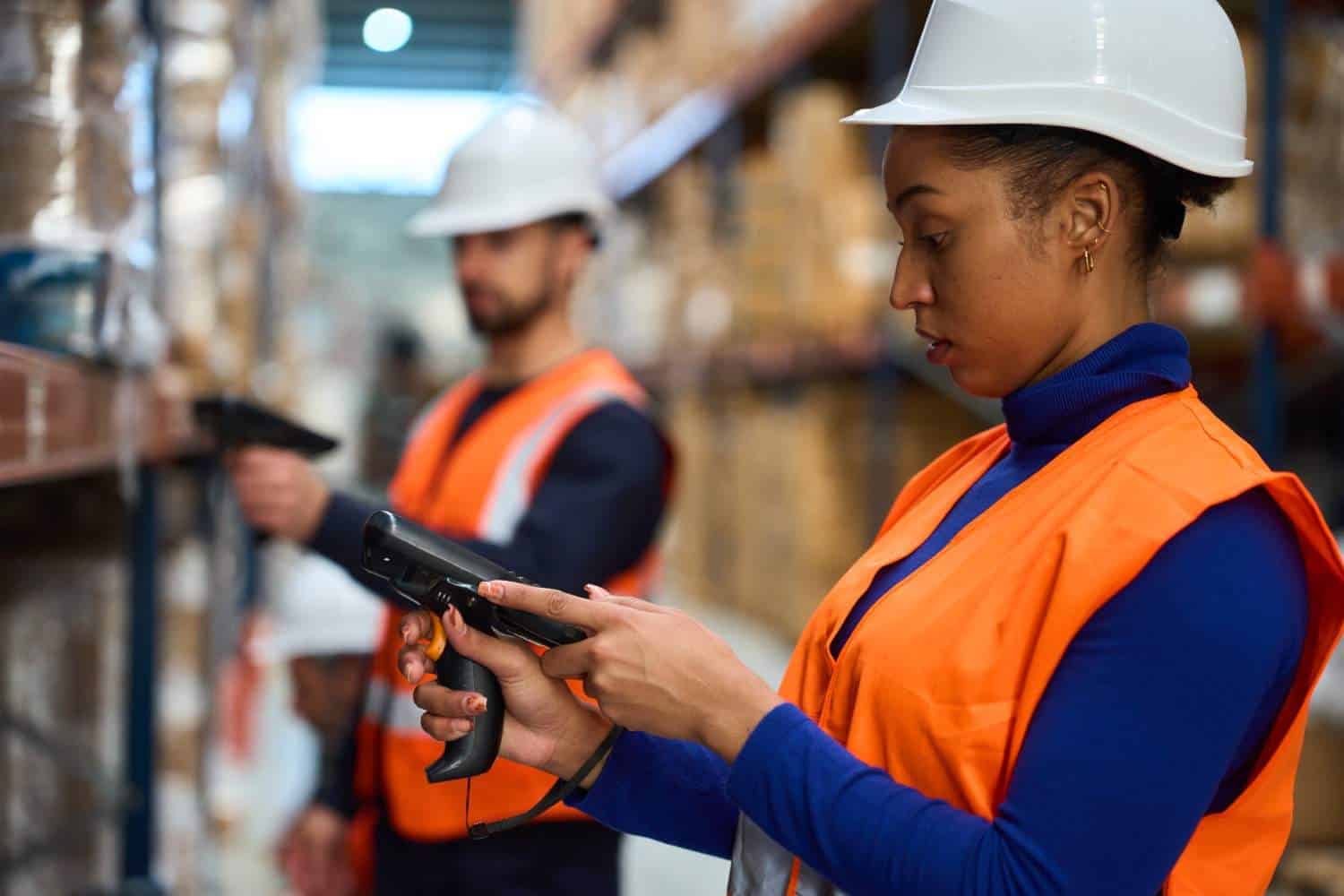
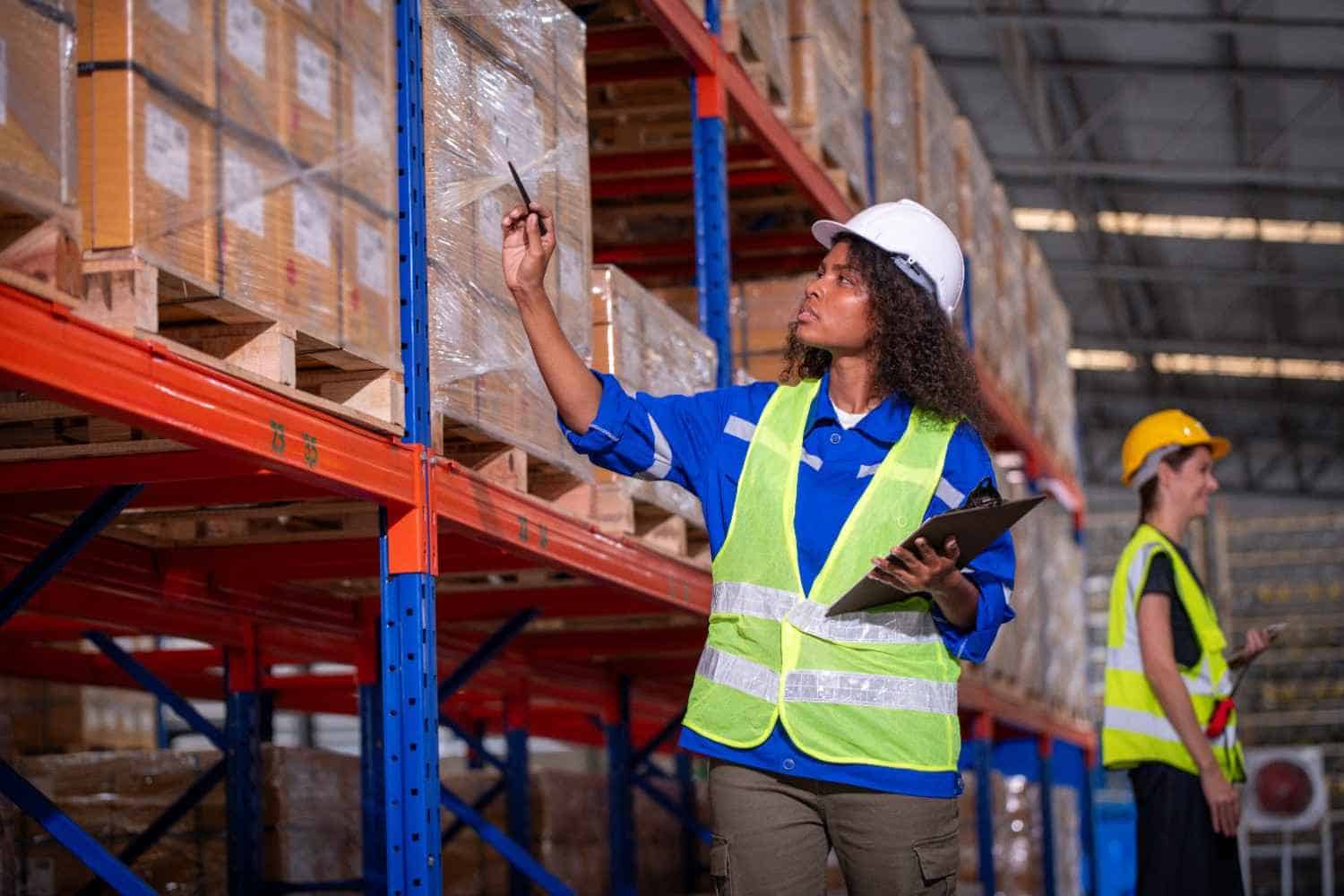
Warehouse Management: Rugged tablets provide a more flexible and, in some cases, lower-cost alternative to forklift-mounted terminals and fixed-station computers. With integrated support for barcode scanning, RFID, and wireless LAN communications, tablets can be used for picking and packing, as well as shipping, receiving, and quality management applications.
Transportation and Delivery: With rugged tablets, shippers and carriers can completely eliminate paper from the truck cab. Tablets can automate Department of Transportation hours of service (HOS) tracking, driver logs, and pre-trip inspections, while simultaneously providing onboard GPS and turn-by-turn directions, dispatch and scheduling information, and inventory and invoicing capabilities – all on one device.
With built-in GPS on tablets, companies can track their trucks and shipments in real time, ensuring accurate updates for customers on arrivals and departures at facilities. Both long-haul trucking firms and last-mile delivery providers are using tablets to deliver these capabilities, while mobile device management solutions help them secure, monitor, and optimize the use of these devices across their fleets.
Retail: Tablets not only support barcode and RFID scanning, but can also provide credit card processing and other retail functions. Armed with rugged tablets, retailers are able to use a single platform for shipping and receiving in the back of the store, as well as inventory management, line busting, promotion tracking, and even mobile point-of-sale on the sales floor.
Durability Makes a Difference
Not all tablets are designed for these environments. For supply chain and other line-of-business applications, using a rugged tablet versus a consumer-grade device like an iPad can have a significant impact on the total cost of ownership of a solution.
Rugged devices can last five or more years in the harsh conditions of a warehouse or the inside of a delivery truck. Commercial grade devices exposed to the same environments may have to be replaced annually, or in some cases, monthly. According to data from VDC, rugged tablets equipped with advanced features such as RFID technology have a failure rate of below 5% in line-of-business applications, compared to the more than 15% failure rate of non-rugged devices in the same applications, resulting in nearly double the total cost of ownership for non-rugged tablets.
Rugged tablets provide a powerful computing platform to improve operations across the supply chain. While not every application or end user is a fit for tablet computing, these devices provide a new level of computing power and flexibility in supply chain applications.
What Are Rugged Tablets?
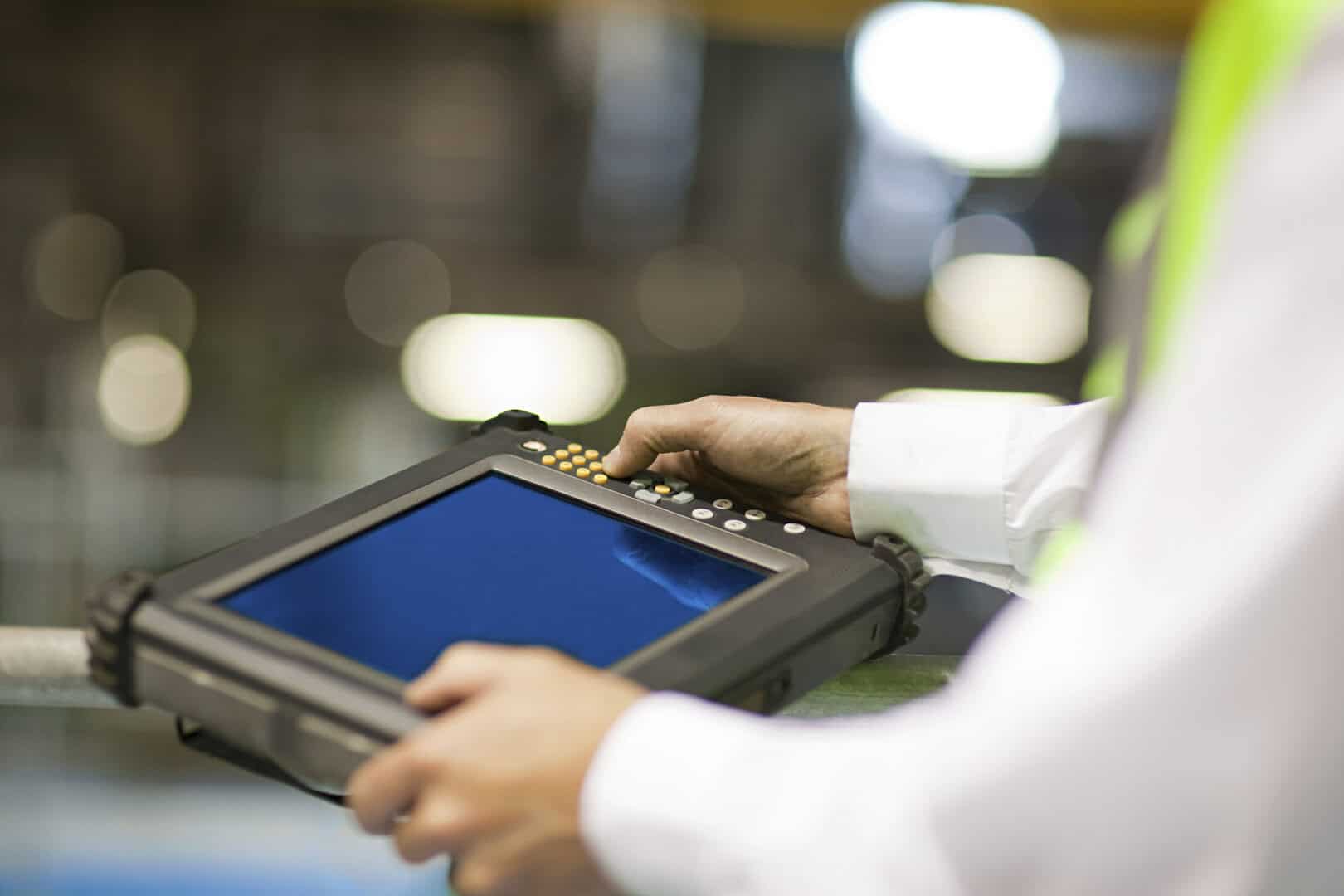
Most tablets aren’t built for real work environments. Drop a consumer device on a concrete warehouse floor once, and you’ll find out quickly. Leave it in a delivery truck through a summer in Phoenix or a winter in Minnesota, and it won’t last the season.
Rugged tablets exist because standard hardware fails in the places where a lot of actual work happens. Warehouses. Manufacturing floors. Truck cabs. Outdoor field operations. These devices are engineered for continuous use in those conditions, dust, moisture, vibration, drops, temperature swings, without the failure rates that make consumer devices a liability in operational settings.
Feature-wise, most come with large touchscreens, Windows or Android operating systems, integrated barcode scanners, RFID compatibility, GPS, wireless connectivity, long battery life, and vehicle mounting support. Not because the spec sheet looks impressive, but because those are the things workers in these environments actually need to do their jobs without returning to a fixed terminal every hour.
Why Supply Chains Specifically
Supply chain work is unforgiving about two things: speed and accuracy. Paper-based processes burn time. Fixed computer systems keep people tied to locations that aren’t always where the work is. Both create information gaps that compound downstream.
The practical argument for rugged tablets in supply chain settings isn’t complicated. Workers get the data they need where they’re actually standing. Decisions get made faster. Errors that used to happen because someone was working off stale information stop happening. Communication between teams that used to flow through a fixed terminal now travels with the person.
None of that is revolutionary. It’s just what happens when you stop forcing mobile work through stationary infrastructure.
On the Manufacturing Floor
Production floors are coordination problems. Engineers need schematics. Supervisors need production status. Management needs order visibility. Customers want updates. All of that information exists somewhere; the question is whether the people who need it can get to it without stopping what they’re doing.
Rugged tablets on the shop floor mean work-in-progress tracking, quality inspections, maintenance records, and engineering documentation are accessible right where the work is happening. Status updates go in as things actually happen rather than getting batched at the end of a shift. When something changes on the line, the right people find out in time to do something about it.
In the Warehouse
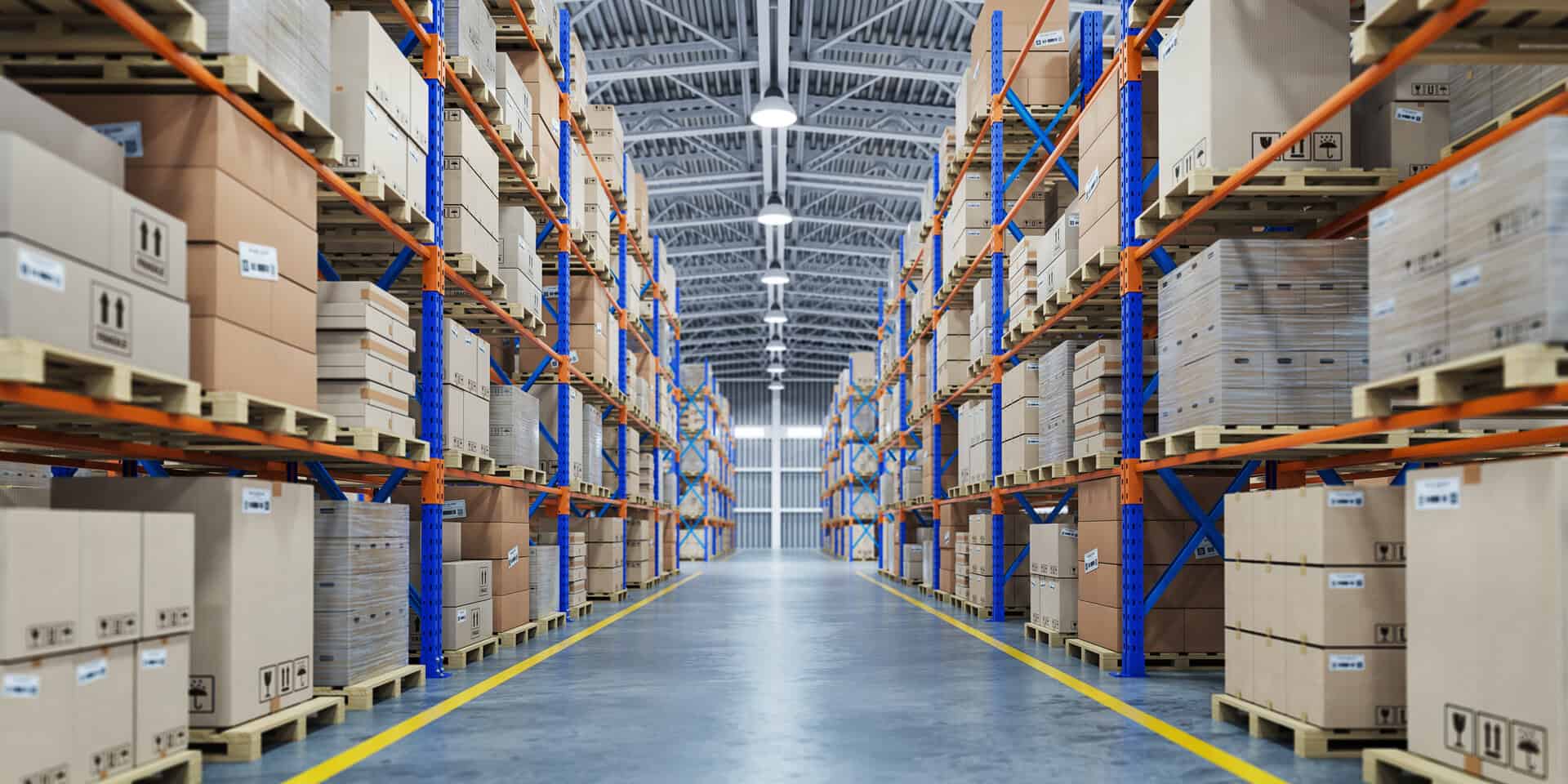
Warehouses have gotten more complicated, higher volume, tighter accuracy requirements, and less margin for the errors that used to get caught manually. Fixed terminals and forklift-mounted hardware don’t move with the work, which creates constant friction.
A rugged tablet with barcode scanning, RFID, and wireless connectivity built in handles picking and packing, shipping and receiving, cycle counts, quality checks, and returns, all from one device that goes where the worker goes. Managers get live inventory and shipment data rather than periodic snapshots. Workers stop making unnecessary trips back to terminals to look things up.
The flexibility matters too. One device covering multiple functions is just a more sensible setup than purpose-built hardware for every task.
In the Truck Cab
Paper logs, paper inspection forms, paper invoices, and transportation ran on paper for a long time, and most of the industry is glad to be moving past it.
A rugged tablet in the cab handles electronic driver logs, DOT compliance, pre-trip inspections, GPS navigation, route optimization, proof of delivery, dispatch communication, and invoicing. Everything a driver needs in one place, connected to the back-office systems throughout the day.
The fleet visibility side matters just as much. Live GPS tracking means accurate arrival and departure updates without anyone having to call the driver to find out where they are. Last-mile and long-haul operations are both running on this now; mobile device management keeps the fleet secure and manageable on the IT side.
The Durability Argument Is Actually a Financial One
Consumer devices fail in harsh environments. That’s not a knock on them; they’re not designed for those conditions. But in an operational setting, device failure means downtime, replacement costs, IT time, and lost productivity that adds up faster than the hardware savings.
Rugged tablets are built to take the drop, handle the temperature swing, and shrug off the dust and moisture. Most run for five years or longer in demanding environments. Lower failure rates, longer lifespan, and less support overhead, the total cost of ownership tends to come out better than the upfront price comparison suggests.
For operations where device reliability directly affects whether work gets done or stops, that calculation matters a lot.
What Real-Time Data Actually Changes
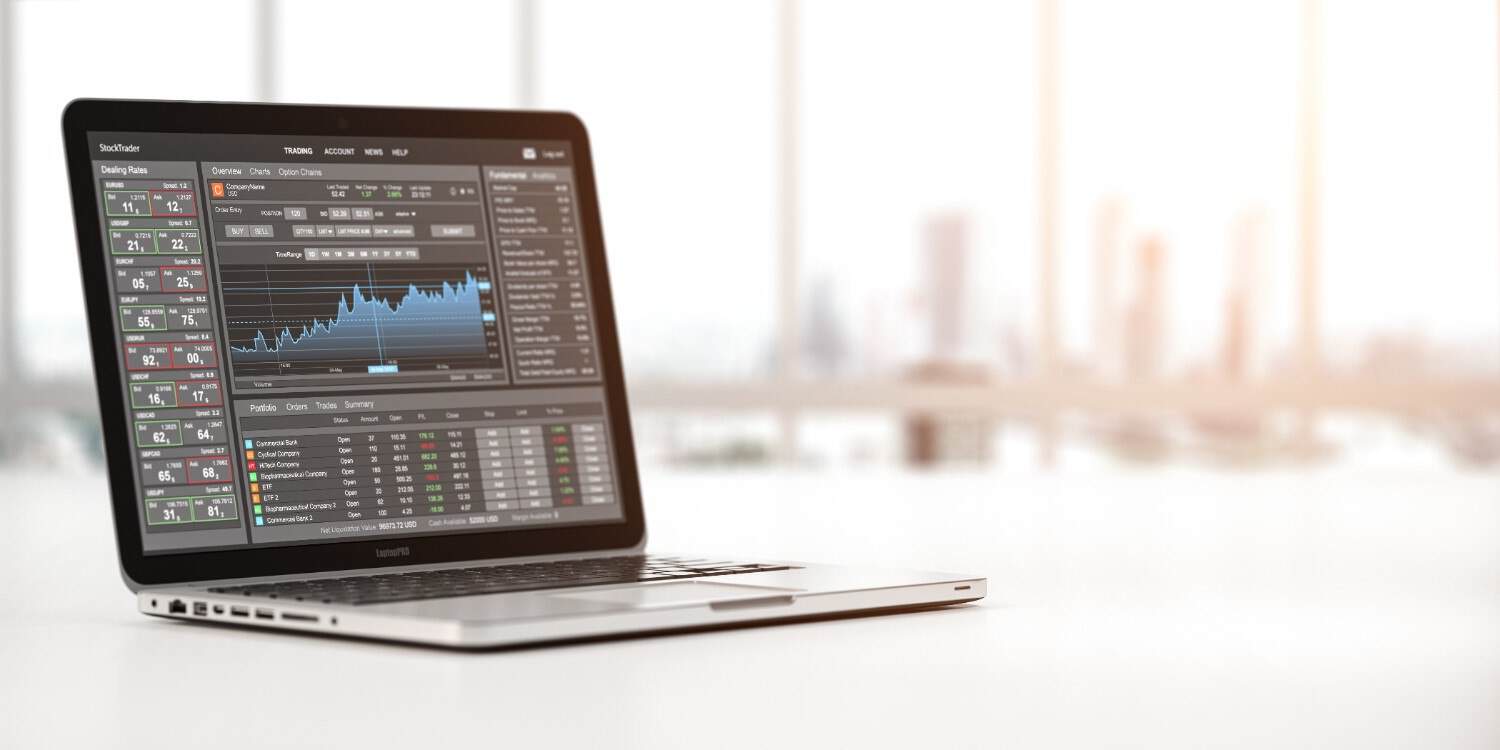
Having live inventory data, shipment status, work orders, maintenance records, and delivery information available on a device in someone’s hands rather than on a screen back at a desk isn’t just convenient. It changes how quickly problems get identified and how fast decisions get made.
Bottlenecks that used to surface in an end-of-day report get caught mid-shift. Inventory discrepancies get caught before they become fulfillment errors. Maintenance issues get flagged before they become downtime. The information isn’t more accurate; it’s just available at the moment when it’s actually useful.
Closing Thought
The shift rugged tablets have enabled is simple to describe: frontline workers can now access the systems and data their jobs depend on without being tethered to a fixed location. In warehouses, on manufacturing floors, in truck cabs, on retail sales floors, that mobility closes a gap that paper and stationary hardware never could.
That’s not a trend. It’s just a better way to work.

A Horizons Talent Alumnus and Microsoft Certified Systems Engineer (MCSE), the author brings a proven track record of success in senior shared-services leadership roles within large, complex multinational organizations, particularly in the manufacturing sector.
With deep experience at Senior Manager level, they have led strategic customer relationships by understanding core business imperatives, shaping service and solution propositions, and delivering measurable business outcomes.