
Businesses and professionals in the healthcare industry need to be both educated about and prepared for the Food and Drug Administration’s (FDA) final rule regarding unique device identifiers (UDI) for medical devices. The FDA is mandating compliance dates beginning September 24, 2014 — and when it comes to implementing a new system, there is no time like the present to start the planning process.
Here Is What You Need To Know Before Your Business Begins Planning Its Implementation Process:
What Is The UDI Rule?
The FDA UDI final rule requires that the majority of medical devices distributed in the U.S. must carry a unique device identifier (UDI), including certain combination products that contain devices and devices licensed under the Public Health Service (PHS) Act, such as donor screening assays.
Why Was It Created?
The UDI rule is beneficial for both businesses and the FDA, improving the information that flows between them. For businesses, implementing a UDI system can improve the quality of information in medical device adverse event reports. This will help the FDA identify product problems more quickly, easily, and thoroughly perform recalls. And most importantly, improved quality of information allows improved patient safety.
How Was It Created?
While developing the UDI system, the FDA worked closely with the industry, specifically the clinical community and patient and consumer groups, to conduct four pilot studies.
What Is A UDI?

A UDI is a unique numeric or alphanumeric code that consists of 1) a device identifier (DI), or a mandatory, fixed portion of a UDI that identifies the labeler and the specific version or model of a device, and 2) a production identifier (PI), or a conditional, variable portion of a UDI that identifies one or more of the following pieces of information when included on the label of a device:
- The lot or batch number within which a device was manufactured
- The serial number of a specific device
- The expiration date of a specific device
- The date a specific device was manufactured
- The distinct identification code for a human cell, tissue, or cellular and tissue-based product regulated as a device
What Is The GUDID?
The UDI system also includes the FDA-created Global Unique Device Identification Database (GUDID). The database will make it easier for businesses to implement the system into their workflow, as it will include a standard set of basic identifying elements for each device with a UDI.
The database will also serve to increase visibility/transparency and improve the patient and consumer experience, because most of this information will be made available to the public.
What Are The Benefits Of Implementing The Udi System?
Overall, after adopting the UDI system, businesses can improve their reporting and documentation processes to realize improved efficiency and accuracy. This is done in several ways:
- The UDI system can serve as a crucial step in the crisis management process. Businesses will be able to use a standardized identifier that allows manufacturers, distributors, and healthcare facilities alike to effectively manage medical device recalls.
- The system can also help to make medical procedures more precise, thus protecting patients. Businesses can reduce medical errors by allowing healthcare professionals to quickly identify devices and obtain important information about the device’s characteristics.
- The UDI system also supports mHealth initiatives – a significant breakthrough in the healthcare industry that has gained ground in recent years.
For a more in-depth look at the rule, read our whitepaper.
Preparing Your Organization for Long-Term UDI Compliance
Meeting UDI requirements is more than a one-time labeling initiative. Healthcare manufacturers, distributors, and providers need processes that support accurate identification throughout a device’s lifecycle. Building a sustainable compliance strategy helps organizations improve traceability while reducing manual effort and administrative complexity.
Standardizing Device Identification
Medical institutions usually handle a huge number of vital devices, implants, and reusable objects. Improper tracking can result in missed inventory, inventory shortages, expired products, or lost equipment that can hinder patient care.
However, with modern inventory management solutions, organizations can effectively support real-time visibility into the availability, movement, and utilization of devices. Having UDI information integrated into the inventory system will allow for many tracking processes to be automated while better controlling the overall inventory.
With improved visibility, businesses can make informed purchase decisions to avoid holding excessive levels of stock and minimise waste.
Supporting Digital Transformation
Healthcare organizations are upgrading and replacing paper-based documentation with digital workflows. Anticipated Outcomes: UDI is a key driver of this change by providing a standardized way to electronically capture device identification
Digital workflows can help organizations:
- Reduce manual data entry
- Improve documentation accuracy
- Accelerate inventory updates
- Simplify regulatory reporting
- Enhance operational transparency
Automation of these processes enables clinical and administrative staff to spend less time handling records & more time paying attention to care.
Supporting Digital Transformation
Healthcare organizations continue to modernize operations by replacing paper-based documentation with digital workflows. UDI plays an important role in this transformation by creating a standardized method for capturing device information electronically.
Digital workflows can help organizations:
- Reduce manual data entry
- Improve documentation accuracy
- Accelerate inventory updates
- Simplify regulatory reporting
- Enhance operational transparency
Automating these processes allows clinical and administrative staff to spend less time managing records and more time focusing on patient care.
The Role of Barcode and RFID Technology
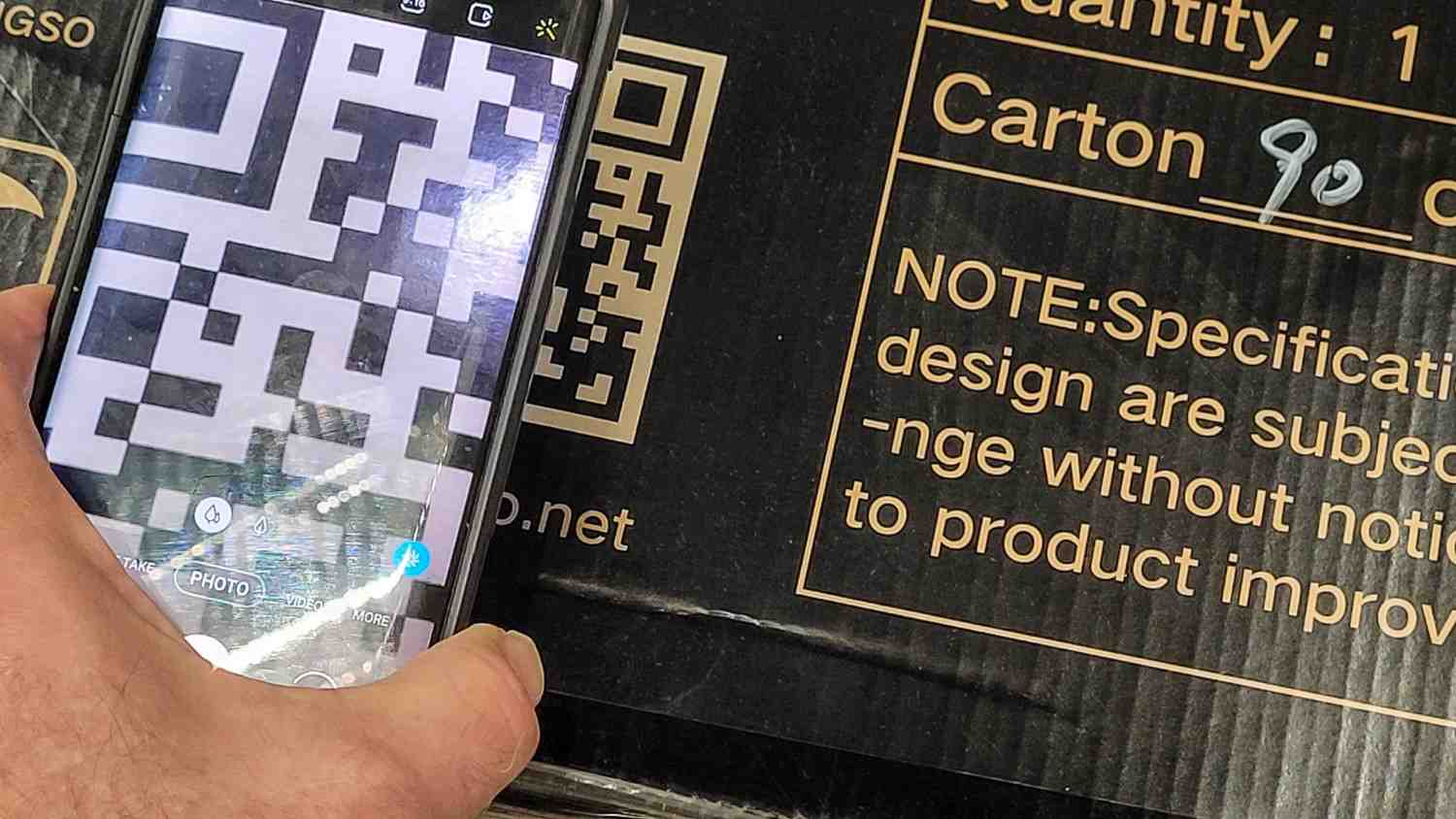
Many organizations use barcode technology to capture UDI information efficiently during receiving, storage, distribution, and point-of-care activities. Barcode scanning reduces manual entry errors while improving the speed of data collection.
For organizations managing high volumes of medical devices, RFID technology can further enhance visibility by enabling multiple items to be identified simultaneously without requiring direct line-of-sight scanning.
Depending on operational needs, healthcare providers may implement:
- Barcode-based device identification
- RFID-enabled inventory tracking
- Mobile scanning solutions
- Automated asset tracking
- Integrated inventory management platforms
These technologies help ensure device information remains accurate and accessible throughout the supply chain.
Integrating UDI with Enterprise Systems
The real value of UDI is realized when identification data and existing business systems are integrated.
Integration with ERP, EHR, inventory management software, and asset tracking platforms helps create an efficient connected healthcare ecosystem. Information about the device can be passed between departments automatically, eliminating duplicate data entry while increasing visibility across the organization.
This interconnected model enables quicker decisions and facilitates a smoother flow of work.
Educating Staff on Compliance Processes
Technology alone cannot ensure successful UDI implementation. Employees responsible for receiving, labeling, inventory management, and clinical operations should understand how standardized device identification fits into their daily responsibilities.
Training programs should focus on:
- Proper scanning procedures
- Label verification
- Inventory documentation
- Device traceability
- Reporting requirements
- Best practices for handling regulated medical devices
Well-trained teams help maintain data accuracy while reducing compliance risks.
Building a Future-Ready Compliance Strategy
Healthcare regulations and technology continue to evolve. Organizations should adopt flexible systems that can accommodate future changes without requiring major operational disruptions.
Scalable identification and tracking solutions allow businesses to:
- Expand across multiple facilities
- Support new product lines
- Integrate additional technologies
- Improve reporting capabilities
- Adapt to changing regulatory requirements
Planning with long-term scalability in mind helps protect technology investments while supporting ongoing compliance initiatives.
Looking Ahead
The FDA’s UDI rule represents an important step toward improving transparency, traceability, and patient safety throughout the healthcare industry. Beyond regulatory compliance, standardized device identification provides organizations with opportunities to strengthen inventory management, improve operational efficiency, and enhance the accuracy of critical healthcare data.
As healthcare organizations continue investing in digital transformation, integrating UDI with barcode scanning, RFID technology, enterprise software, and automated tracking solutions creates a stronger foundation for managing medical devices throughout their lifecycle. Organizations that embrace these connected technologies are better positioned to improve compliance, streamline operations, and deliver safer, more efficient patient care.

A Horizons Talent Alumnus and Microsoft Certified Systems Engineer (MCSE), the author brings a proven track record of success in senior shared-services leadership roles within large, complex multinational organizations, particularly in the manufacturing sector.
With deep experience at Senior Manager level, they have led strategic customer relationships by understanding core business imperatives, shaping service and solution propositions, and delivering measurable business outcomes.